Monthly Payments as Low as $99! | 1/2 OFF Labor on second Project
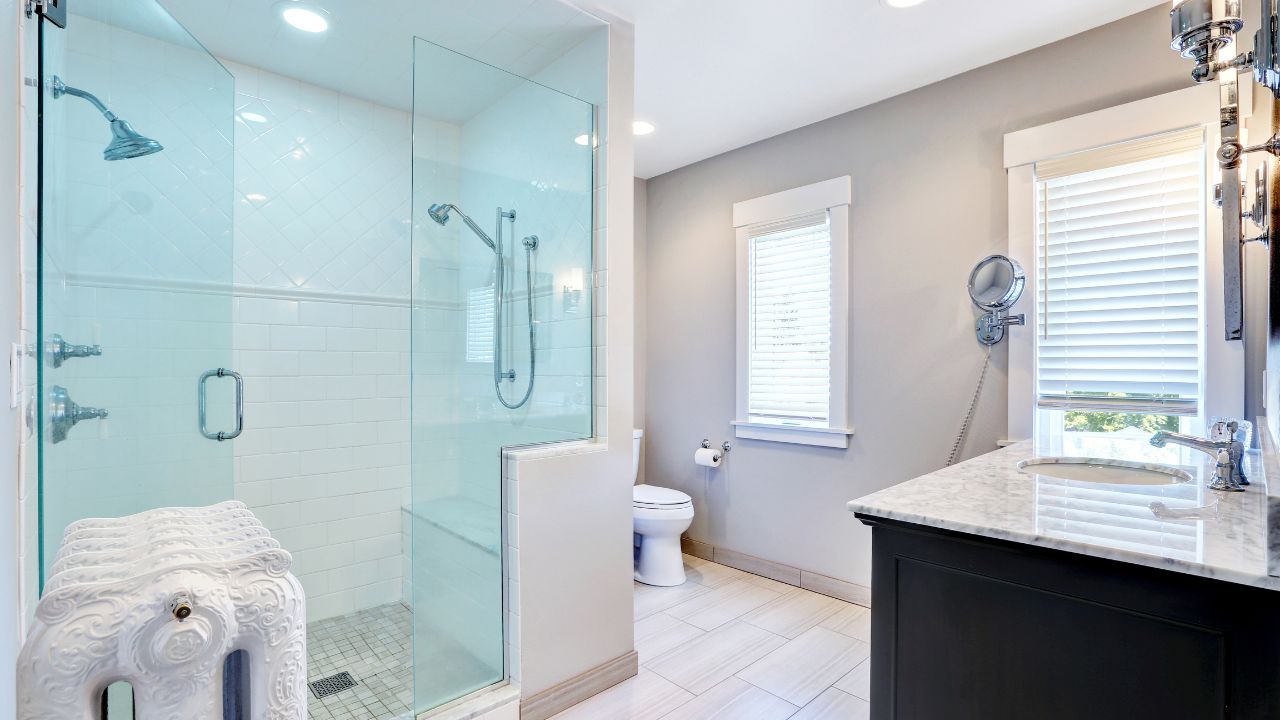
Selecting between an acrylic walk-in shower and a tile walk-in shower determines both immediate costs and long-term satisfaction. Each material offers distinct advantages in durability, maintenance requirements, aesthetic flexibility, and installation complexity.
Understanding the pros and cons of both options helps homeowners align their material comparison with budget constraints and design goals. The bathroom renovation market continues expanding as more homeowners prioritize accessible, low-maintenance shower solutions.
The residential sector accounts for approximately 60% of walk-in shower applications as families modernize outdated bathrooms. Consumer priorities favor durability above all other factors, scoring 95 out of 100 in importance rankings. Cost and maintenance considerations follow closely, influencing material selection across different household demographics. Both acrylic and tile meet specific needs when matched to the right homeowner circumstances.
Key Takeaways
Acrylic and tile represent the two most common wall materials in walk-in shower construction. Acrylic consists of vacuum-formed plastic sheets often reinforced with fiberglass backing. Tile includes ceramic, porcelain, and natural stone options installed individually with grout joints. Each material requires different installation methods and delivers unique visual characteristics.
The choice between these materials affects every aspect of shower performance. Acrylic units arrive as prefabricated panels or complete kits ready for mounting. Tile installations require custom waterproofing, mortar application, and precise grout work by skilled professionals.
Acrylic is manufactured by vacuum-forming sheets of acrylic over a mold, often reinforced with fiberglass. The heating process allows thin plastic to conform perfectly to predetermined shapes and dimensions. Manufacturers embed color throughout the material rather than applying surface coatings.
Installation typically occurs within one to three days for standard configurations. Panels attach directly to waterproofed drywall or backer board using adhesive and mechanical fasteners. The non-porous surface eliminates grout lines and reduces potential leak points.
Tile materials include ceramic, porcelain, natural stone, and glass options with varying porosity levels. Ceramic and porcelain tiles undergo high-temperature firing that creates hard, water-resistant surfaces. These materials accept virtually unlimited color, texture, and pattern variations during manufacturing.
Tile requires mortar beds and waterproof membranes underneath for proper installation. Grout fills the joints between individual tiles to prevent water infiltration. The modular nature allows replacement of damaged sections without removing entire walls.
Ceramic and porcelain represent the most common shower tile choices at $2-$17 per square foot. These fired clay products resist moisture effectively when properly installed and sealed. Standard sizes range from small mosaics to large-format 12×24-inch planks.
Glass and mosaic tiles cost $20-$100+ per square foot for premium applications. Natural stone, including marble and granite, ranges from $40-$200+ per square foot. Each tile type demands specific installation techniques and maintenance protocols.
Durability and maintenance requirements differ significantly between acrylic and tile based on material composition. Acrylic offers seamless, non-porous surfaces that resist mold and mildew naturally. Tile provides superior longevity but demands regular grout maintenance to prevent deterioration and discoloration.
The material comparison reveals trade-offs between initial convenience and long-term performance. Homeowners must evaluate whether low-maintenance simplicity or extended lifespan better serves their needs. Daily cleaning routines and periodic deep maintenance vary substantially between these two materials.
Acrylic surfaces require only mild soap and water for routine cleaning. The non-porous composition prevents mold growth and eliminates grout line scrubbing. Acrylic is susceptible to scratching if abrasive cleaners are used, requiring gentle cleaning products only.
Weekly wiping maintains appearance without specialized products or techniques. Deep scratches may become permanent unless professionally buffed and polished. The smooth surface allows quick squeegee passes to prevent water spot accumulation.
Tile surfaces tolerate strong cleaners and abrasive scrubbing without damage. However, tile grout lines demand regular cleaning and periodic resealing to prevent mold. Neglected grout develops stains, cracks, and biological growth that compromise both appearance and waterproofing.
Professional resealing every one to three years maintains grout integrity and appearance. Acidic cleaners damage natural stone tiles and require pH-neutral alternatives. The porous nature of some tiles absorbs soap residue unless cleaned frequently.
Tile installations commonly last 20-30 years with proper maintenance and quality materials. Properly sealed ceramic and porcelain resist fading, cracking, and water damage throughout decades of use. Natural stone tiles can last even longer when maintained according to the manufacturer’s specifications.
Acrylic has a shorter lifespan compared to tile or stone, typically requiring replacement after 10-15 years. The plastic material gradually yellows and develops surface scratches that dull its appearance. Despite reduced longevity, acrylic’s lower replacement cost often offsets the shorter lifespan for budget-conscious homeowners.
Cost differences between acrylic and tile extend beyond initial material prices to include installation complexity. Acrylic material costs range from $400-$2,000 for complete prefabricated units. Tile pricing varies dramatically based on material type, from economical ceramic to luxury natural stone.
Total project costs depend heavily on labor requirements and the extent of the work. Prefabricated acrylic kits minimize installation time and associated labor expenses. Custom tile installations require skilled tradespeople and extended construction periods that increase overall investment.
Acrylic material costs range from $400-$2,000 for complete shower surrounds and bases. These prefabricated units include all necessary panels, trim pieces, and installation hardware. The budget-friendly pricing makes acrylic accessible to homeowners with limited renovation funds.
Ceramic and porcelain tile costs $2-$17 per square foot for materials alone. Glass and mosaic tile costs $20-$100+ per square foot for decorative applications. Natural stone costs $40-$200+ per square foot, depending on rarity and origin.
Prefabricated kits total $700-$3,000, including basic labor for standard bathroom configurations. Professional installers complete acrylic installations within one to three days. The simplified process reduces labor hours and minimizes disruption to household routines.
Custom showers total $4,200-$8,500+ including labor for tile installations with standard features. Tub-to-shower conversions cost $1,200-$8,000, depending on plumbing modifications and shower surround material selection. Complex tile patterns and premium materials substantially increase labor time and associated costs.
Waterproofing costs $500-$1,000 for sheet membranes required beneath custom tile installations. This critical step prevents moisture infiltration into wall cavities and structural elements. Proper waterproofing extends the shower’s lifespan and prevents costly water damage repairs.
Glass doors cost $550-$1,400 depending on size, thickness, and hardware quality. Frameless tempered glass options command premium prices compared to framed alternatives. Additional expenses include upgraded fixtures, built-in niches, and accessibility features like grab bars.
Aesthetic flexibility varies dramatically between acrylic and tile, based on manufacturing constraints. Acrylic units arrive with predetermined colors, patterns, and dimensions that limit personalization. Tile installations accommodate virtually unlimited design possibilities through material selection, layout patterns, and accent placement.
The visual impact of each material influences bathroom value and homeowner satisfaction in the long term. Modern preferences trend toward customized appearances that reflect personal style rather than builder-grade uniformity. Design choices significantly affect resale appeal and potential return on investment for bathroom renovation projects.
Acrylic has limited customization in terms of color and pattern compared to tile alternatives. Manufacturers produce predetermined designs mimicking tile, stone, or solid colors. Standard dimensions restrict layout options to manufacturer specifications rather than custom configurations.
The molded construction creates seamless corner transitions and integrated accessories. Built-in shelves, soap dishes, and grab bar reinforcements can be incorporated during manufacturing. While visually simpler, acrylic provides clean, modern appearances suitable for contemporary bathroom designs.
Tile customization accommodates personal preferences through unlimited material combinations and layout arrangements. Horizontal, vertical, diagonal, and herringbone patterns create distinct visual effects. Approximately 18% of renovations now use horizontally stacked tile patterns, an increase of 5 percentage points.
Accent strips, mosaic borders, and contrasting grout colors add architectural interest. Large-format tiles minimize grout lines for sleek contemporary aesthetics. Small mosaics and natural stone create traditional or luxury appearances depending on material selection.
Custom tile installations typically increase home resale value more than acrylic alternatives. Buyers perceive tile as premium, permanent construction rather than budget-focused solutions. Professional tile work demonstrates investment in quality and attention to design detail.
Acrylic serves budget-conscious renovations effectively without substantially impacting property values. The clean, maintained appearance satisfies functional requirements for secondary bathrooms and rental properties. Primary suite upgrades generally warrant tile investments for maximum aesthetic impact and return.
Installation complexity and timeline differ substantially between acrylic and tile shower systems. Acrylic units arrive ready for mounting with minimal preparation beyond basic waterproofing. Tile installations require multiple skilled trades, extended curing periods, and precise execution throughout construction.
Accessibility features integrate differently depending on material choice and installation method. Both materials accommodate aging-in-place remodeling features when properly specified during initial design. Approximately 68% of homeowners now consider special needs during bathroom projects.
Acrylic installations typically complete within one to three days for standard configurations. Prefabricated panels attach to prepared walls using adhesive and mechanical fasteners. The lightweight material allows single tradespeople to handle panels without specialized lifting equipment.
Minimal specialized skills or tools are required beyond basic carpentry knowledge. Installation disruption remains limited compared to multi-week tile projects. Quick completion reduces household inconvenience and allows faster return to normal bathroom use.
Tile requires professional installation by experienced tradespeople familiar with waterproofing and proper setting techniques. Multiple steps, including membrane application, mortar setting, grouting, and sealing, extend project timelines. Each phase requires curing periods before subsequent work can proceed.
Improper installation creates leak risks that damage underlying structures and adjacent rooms. Professional tile setters ensure proper slope, waterproofing, and grout application throughout construction. The complexity justifies higher labor costs but delivers superior long-term performance.
Both materials accommodate low-threshold or curbless entries that eliminate tripping hazards. Reinforced backing supports grab bar installation regardless of the wall surface material. Approximately 47% of homeowners anticipate special needs arising within five or more years.
Acrylic units can include integrated grab bars and seats during manufacturing. Tile installations allow custom placement of accessibility features during construction. Non-slip flooring options pair with both materials to reduce fall risks for users with mobility limitations.
Material selection should align with budget constraints, timeline requirements, and long-term residency plans. Acrylic suits homeowners prioritizing affordability, rapid installation, and minimal maintenance commitment. Tile serves those valuing customization, durability, and premium aesthetics despite a higher initial investment.
Usage patterns and bathroom hierarchy within the home influence optimal material choice. Primary suites warrant greater investment than secondary bathrooms or rental properties. Understanding how to choose the right walk-in shower for your space requires evaluating all relevant factors comprehensively.
Budget-conscious families renovating secondary bathrooms benefit most from acrylic’s affordability and quick installation. Rental property owners appreciate low maintenance requirements and easy replacement when needed. Homeowners planning near-term relocation find acrylic provides functional updates without excessive investment.
First-time renovators overwhelmed by tile complexity often prefer acrylic’s straightforward installation process. The material suits situations requiring rapid bathroom access restoration. Households with young children value acrylic’s warm surface temperature compared to cold tile.
Homeowners planning extended residency should invest in tile for superior longevity and resale value. Primary suite upgrades warrant tile’s premium appearance and customization potential. Design-conscious buyers desiring unique, personalized aesthetics require tile’s flexibility.
High-end properties demand tile installations to meet buyer expectations and maintain competitive positioning. Homeowners comfortable with ongoing grout maintenance can enjoy tile’s durability advantages. Those prioritizing maximum property value increases choose tile despite higher initial costs.
High-traffic family bathrooms endure heavy daily use that favors tile’s superior durability. Guest bathrooms with infrequent use allow acrylic’s lower cost without significant longevity concerns. Master suites benefit from tile’s luxury appearance and customization options.
Shower-only installations particularly suit acrylic’s seamless construction and water-resistant properties. Combination tub-shower spaces often use tile for visual continuity with surrounding bathroom finishes. Determining optimal materials requires an honest assessment of actual usage patterns and household priorities.
Small bathroom designs require strategic material selection to maximize both function and visual spaciousness. Both acrylic and tile accommodate compact footprints when properly configured with appropriate fixtures. Space constraints often dictate corner installations and sliding door configurations regardless of wall material.
Visual expansion techniques vary between materials based on inherent characteristics and installation methods. Proper planning achieves 20% or greater visual expansion in renovated small bathrooms. Material choice significantly impacts perceived size through color, pattern, and surface finish selection.
Acrylic corner units maximize usable floor space by tucking showers into underutilized bathroom zones. Prefabricated bases include integrated seating and shelving without additional space requirements. The seamless construction eliminates bulky trim pieces that visually clutter small rooms.
Light-colored acrylic reflects illumination and creates brighter, more open feelings. Built-in corner shelves eliminate protruding accessories that obstruct movement. Manufacturers offer compact 32×32-inch and 36×36-inch footprints specifically designed for tight spaces.
Large-format tiles minimize grout lines that visually fragment walls and create a busy appearance. Light, neutral colors brighten small spaces and reflect available natural and artificial light. Horizontal tile stacking patterns visually widen narrow bathrooms by emphasizing horizontal lines.
Running tile continuously from floor to ceiling eliminates visual breaks that reduce apparent height. Glass mosaic accents add sparkle without overwhelming the limited square footage. Matching wall and floor tiles creates seamless transitions that extend sight lines.
Glass enclosures represent approximately 50% of the market share for walk-in showers across all materials. Clear, frameless glass doors eliminate visual barriers that make small bathrooms feel cramped. The transparency allows eyes to travel the full room length regardless of the shower material.
Frameless designs pair equally well with acrylic and tile walls for modern aesthetics. Half-walls or partial enclosures reduce glass costs while maintaining openness. Quality shower door installation ensures proper function and water containment regardless of surrounding materials.
Selecting between acrylic and tile requires weighing multiple competing priorities, including durability, cost, maintenance, and design flexibility. Durability scores highest in consumer priorities at 95 out of 100, followed closely by cost at 90 and maintenance at 85. Aesthetics rates 80 while installation ease scores 75, indicating functional concerns outweigh appearance for most households.
Neither material universally surpasses the other across all evaluation criteria. Acrylic delivers affordability, quick installation, and minimal maintenance but sacrifices longevity and customization. Tile provides superior durability, unlimited design options, and enhanced resale value while demanding higher investment and ongoing grout care.
Successful material selection matches household circumstances with product strengths rather than pursuing idealized solutions. Budget constraints legitimately drive acrylic selection for cost-conscious families addressing functional bathroom deficiencies. Design-focused homeowners justifiably invest in tile for personalized aesthetics and long-term performance. Understanding your specific priorities, timeline, and budget allows confident decisions aligned with both immediate needs and future goals.
Professional guidance from experienced contractors helps homeowners navigate this complex decision process. Patriot Bath Remodeling brings 50 years of combined team experience to walk-in shower remodel projects throughout Massachusetts, Rhode Island, and Southern New Hampshire. Their expertise ensures proper material selection and installation quality regardless of the chosen shower system.
Whether you select acrylic for its affordability or tile for its timeless beauty, professional installation ensures optimal performance. Contact Patriot Bath Remodeling for a free estimate on your bathroom remodeling services project and discover how the right shower material transforms your daily routine.
Whether you prefer the low-maintenance ease of acrylic or the long-lasting elegance of tile, Patriot Bath Remodeling has you covered. Our team brings over 50 years of combined experience to every project, helping homeowners across Massachusetts, Rhode Island, and New Hampshire choose the right materials and get expert installation done right.
We offer free, no-obligation estimates, transparent pricing, and flexible financing starting at just $99 per month. No pressure. No guesswork. Just a beautiful walk-in shower built to fit your home, your lifestyle, and your budget. Contact Patriot Bath Remodeling today at (508) 748-5468 and get your free estimate.