Monthly Payments as Low as $99! | 1/2 OFF Labor on second Project
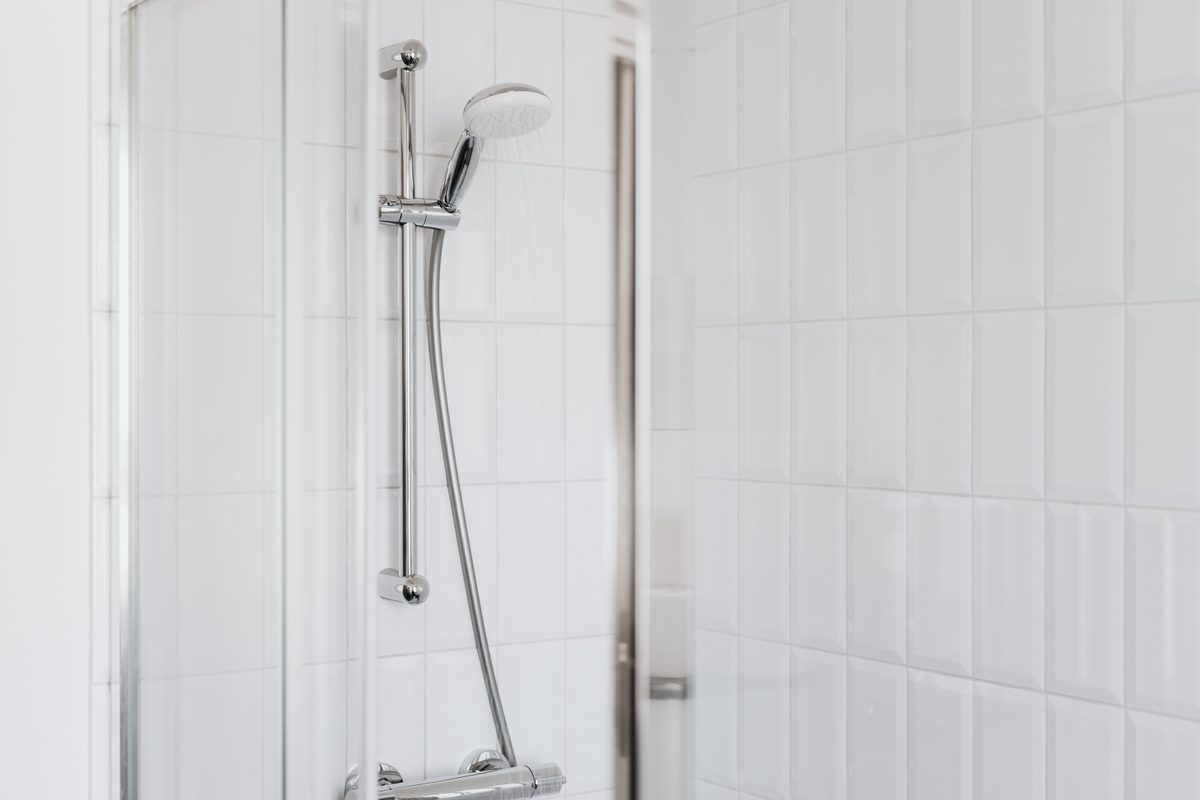
Choosing shower surround materials affects bathroom performance, maintenance, and visual appeal for years. The right selection balances your design goals, budget constraints, and long-term upkeep expectations while addressing accessibility and durability needs.
Massachusetts homeowners face unique considerations when selecting surrounds, including higher renovation costs and a strong preference for premium finishes. The state’s aging housing stock and growing interest in accessible design further shape decision criteria, making material choice a practical and strategic process.
A shower surround is the waterproof wall system protecting your bathroom structure from water damage. Installed shower wall systems represent a significant segment of the bath remodeling market, serving functional and aesthetic purposes in renovated spaces.
Wet rooms, which feature open shower areas without traditional enclosures, have become increasingly popular renovation choices. These spaces rely on seamless wall systems that handle direct water exposure without leaking or deteriorating over time.
Fiberglass surrounds consist of thin molded one-piece units or panel systems installed over existing walls. These panels typically measure about 1/8 inch thick and offer budget-friendly waterproofing for basic bathroom updates.
Acrylic surrounds are molded waterproof wall panels glued over a backer board for enhanced durability. Solid surface and cultured marble options provide non-porous cast panels ranging from 1/4 to 3/8 inch thick, while grout-free systems include PVC, laminate, glass, and stone panels installed without traditional grout joints.
The shower surround you select directly influences cleaning routines, water resistance, and overall bathroom aesthetics. Shower systems accounted for 35.6% of the bath remodeling market in 2024, reflecting their central role in renovation projects.
Material choice affects maintenance frequency, repair costs, and long-term satisfaction with your bathroom space. A well-selected surround enhances daily function while supporting your home’s value and visual appeal.
Tile remains the dominant choice among the best shower surrounds, with 83% of homeowners upgrading shower walls selecting this material in 2024. Ceramic tile captured 44% of tiled installations, while porcelain represented 36% of choices in design-focused renovations.
Tile offers exceptional customization but carries the highest leak risk if installation quality is poor. Grout joints require regular maintenance to prevent staining, mildew growth, and water penetration behind the surface.
Acrylic shower walls range from $50 to $3,000 at retail, depending on system complexity and size. These panels measure approximately 1/8 inch thick and provide fast, waterproof installations with minimal ongoing maintenance requirements.
Fiberglass can yellow or crack over time, making acrylic the preferred choice for better quality and broader contractor availability. Both materials offer limited visual realism compared to tile, making them better suited for budget-conscious projects than high-end design statements.
Solid surface panels range from 1/4 to 3/8 inch thick, offering superior durability and weight compared to acrylic systems. These materials cost more than commodity panels but deliver easier cleaning and longer performance than tile surrounds.
Specialty grout-free panels provide tile-like aesthetics without traditional grout maintenance burdens. These systems have less mainstream awareness than established materials but address the gap between basic molded panels and custom tile installations.
Prefabricated systems win on installation speed and cost, while tile surrounds excel in aesthetic customization and design flexibility. Thin molded systems measuring 1/8 inch are more prone to cracking and visual aging than thicker cast or site-built alternatives.
The construction method you choose determines whether your shower surround installation takes days or weeks to complete. Prefab panels install directly over backer board, while tile requires waterproofing membranes, careful layout, and multi-day curing periods.
Manufacturing thickness directly impacts long-term performance, with fiberglass at 1/8 inch versus solid surface at 1/4 to 3/8 inch. Thicker materials resist impact damage and thermal stress better than thin molded panels, reducing replacement frequency over decades of use.
Grout joints in tile systems require periodic sealing and cleaning to maintain waterproof integrity. Non-porous materials eliminate this maintenance burden, offering simpler cleaning routines that appeal to busy households and aging homeowners.
Prefabricated surrounds attach directly to studs or existing backer board using adhesive and mechanical fasteners. This streamlined process reduces labor hours and allows homeowners to use the shower within days of starting the project.
Custom tile installation involves preparing substrate surfaces, applying waterproofing layers, setting individual tiles, and grouting joints before sealing. Each step adds time and cost but delivers maximum design control for bathroom remodel Massachusetts projects, prioritizing visual impact.
A functional shower surround guide starts with understanding that 46% of homeowners renovate because they can no longer tolerate their old bathroom’s style. Upscale shower designs gained 18 points in AIA popularity surveys, reflecting stronger demand for premium aesthetics in contemporary bathroom planning.
Your style priorities determine whether standard molded panels or custom tile better serve your renovation goals. Design-focused projects benefit from tile’s flexibility, while practical upgrades often favor the clean simplicity of grout-free panel systems.
Basic prefabricated installations cost $4,000 to $7,000, making them accessible for straightforward replacements and secondary bathrooms. Midrange tiled showers run $8,000 to $13,000, while high-end custom showers reach $14,000 to $20,000 or more, depending on scope and finishes.
The median spend for major bathroom remodels rose from $21,000 in 2023 to $22,000 in 2024, with 28% of homeowners renovating when they finally have the financial means. Budget planning should account for both material costs and installation labor, as skilled tile work commands premium pricing in competitive markets.
Wet-room buyers cite ease of cleaning as a key decision factor in 21% of cases, highlighting maintenance priorities in shower surround selection. Low-maintenance materials reduce long-term cleaning time and avoid the grout care required by traditional tile installations.
Deteriorated bathroom condition drives 35% of renovation decisions, often after years of deferred maintenance, compromising structural integrity. Selecting durable, waterproof materials extends replacement cycles and protects underlying framing from moisture damage that leads to costly repairs.
Tile holds 45 to 55% market share in Massachusetts, while acrylic systems capture 18 to 25% of installations. Fiberglass accounts for 10 to 16% of the market, representing the weakest durability and style appeal among major material categories.
Solid surface systems claim 8 to 12% market share, offering better maintenance performance than tile for homeowners prioritizing longevity. These directional estimates reflect tile’s dominance in design-led projects balanced against growing demand for faster, easier-to-maintain alternatives.
Wet rooms increased to 16% of renovated bathrooms, up 3 percentage points year over year, as homeowners prioritize open, accessible shower spaces. This growth supports aging-in-place remodeling strategies that reduce fall risks and simplify daily routines for older residents.
Accessibility features now appear in 68% of bathroom renovations, up 4 percentage points from the previous year. Low-curb and curbless designs require waterproof wall systems capable of handling increased exposure without compromising structural protection.
The Massachusetts shower surround market reached $30.5 million in 2023 and is projected to hit $41.0 million by 2028. This represents 34.2% cumulative five-year growth, driven by aging housing stock and homeowner willingness to invest in bathroom upgrades.
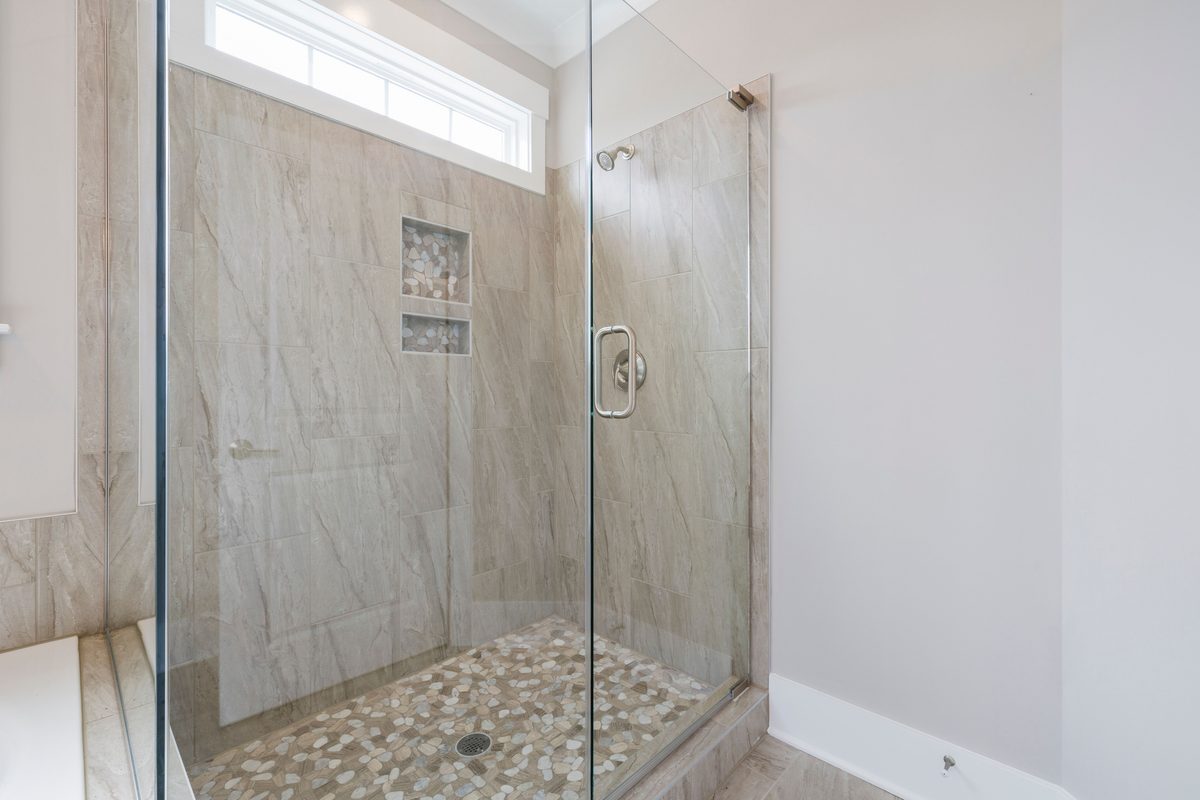
Premium custom showers with frameless glass, built-in niches, and high-end tile continue gaining popularity among affluent homeowners. The state’s median household income of $103,960 supports a stronger demand for design-focused solutions than budget-constrained markets typically sustain.
Effective shower surround selection begins with understanding your total project budget and tolerance for ongoing maintenance. Starting with financial constraints helps narrow material choices before style preferences complicate the decision process.
Fiberglass and entry-level acrylic systems deliver the lowest installed costs for homeowners prioritizing affordability over aesthetics. These materials work well for rental properties, secondary bathrooms, and quick replacement projects where shower replacement timelines matter more than custom design.
Tile continues to dominate among homeowners choosing materials based on visual impact and resale value. Ceramic and porcelain options provide extensive color, pattern, and texture choices that support fully customized bathroom designs.
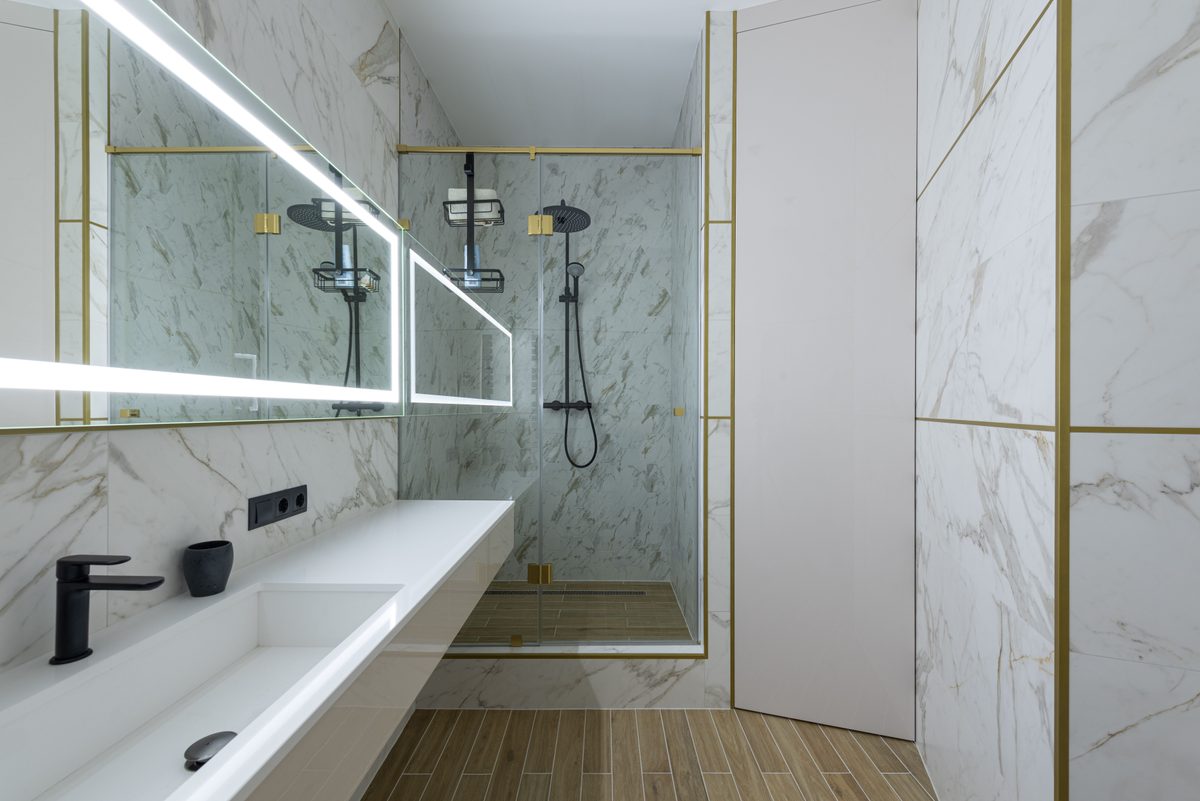
High-end renovators often combine premium tile with frameless shower door installation and custom niches for a cohesive luxury aesthetic. These projects justify higher budgets by delivering unique visual statements that distinguish properties in competitive real estate markets.
Accessibility requirements shape material selection for homeowners planning to age in their current homes. Low-curb and curbless designs pair well with solid surface or grout-free panel systems that simplify cleaning and reduce fall hazards.
Durability expectations favor materials that resist impact damage and maintain appearance without intensive upkeep. Solid surface panels and higher-quality acrylic systems support long-term accessibility goals better than thin fiberglass or grout-intensive tile installations.
Your final choice should align with lifestyle priorities rather than material marketing claims. Budget-conscious buyers benefit from acrylic or fiberglass systems, style-focused renovators typically choose tile, and maintenance-averse homeowners often prefer solid surface or specialty grout-free panels.
Massachusetts homeowners weighing how to choose the right walk-in shower for your space should evaluate total installed costs, cleaning requirements, and visual expectations before committing to materials. The right surround supports your budget, cleaning tolerance, design goals, and future mobility needs without compromising structural protection or long-term satisfaction.
Successful renovations balance immediate aesthetics with practical performance over years of daily use. Whether you prioritize speed, style, durability, or accessibility, matching materials to your actual living patterns produces better outcomes than following generic recommendations.
Patriot Bath Remodeling helps Massachusetts homeowners navigate these decisions with transparent pricing and experienced guidance tailored to individual needs. The best shower surround is the one that fits your specific circumstances, not the one marketed as universally superior.
Choosing the right surround is the start. Building it correctly is what makes the difference for the next 20 years. The Patriot Bath Remodeling team helps homeowners across the South Shore, Greater Boston, Rhode Island, and Southern New Hampshire turn material questions into finished bathrooms they actually enjoy using.
With over 50 years of combined experience, we walk you through tile, acrylic, solid surface, and grout-free options based on how your family lives, not which product carries the highest margin. Every project comes with a free in-home estimate, transparent pricing, and lifetime warranties on our installation. Monthly payments start as low as $99, and our price match guarantee keeps your budget protected.
Schedule your free estimate today and let’s plan a shower surround that fits your home, your budget, and your daily routine.