Monthly Payments as Low as $99! | 1/2 OFF Labor on second Project
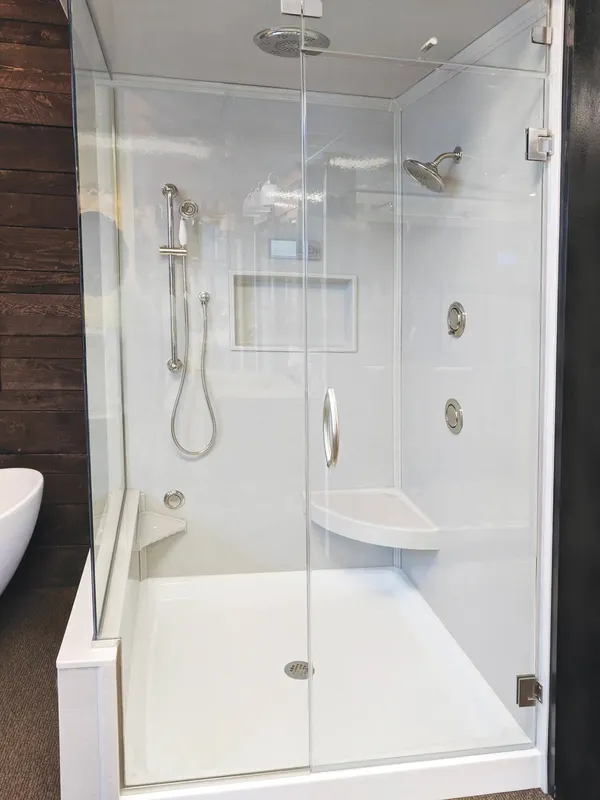
A bathroom remodel timeline depends on scope, materials, and how well you plan before construction starts. Most homeowners underestimate how much happens before a single tile is laid. Understanding the renovation schedule from design through final inspection helps you set realistic expectations, avoid costly surprises, and keep the project moving. Whether you’re refreshing a powder room or gutting a master suite, the time frame for remodeling varies widely. This guide walks through every phase so you can approach your timeline planning with confidence and make decisions that protect your schedule from the start.
Key Takeaways
Most bathroom remodels take between 3 and 16 weeks from the first planning meeting to the final walkthrough. The project duration for a bathroom depends on size, complexity, and how prepared you are before work begins.
Planning and design alone typically take 1 to 4 weeks. Add permitting, a nd you’re looking at 2 to 6 weeks before a contractor can break ground. This phase includes finalizing your design, setting a budget, and getting at least 3 contractor quotes before signing anything.
Don’t rush this stage. Decisions made during timeline planning directly affect how smoothly construction runs. Homeowners who finalize materials and designs before demolition begins avoid the delays that push projects weeks past the original end date.
Construction timelines vary significantly by scope. A small powder room runs 3 to 4 weeks. A standard full bathroom takes 6 to 8 weeks. A master suite renovation runs 8 to 12 weeks, and a full gut renovation can take 10 to 16 weeks from demolition to completion.
Whatever your scope, build in a 1 to 2 week contingency buffer. Trades get delayed. Materials arrive late. Inspections get rescheduled. That buffer is not padding it’s realistic project management.
Several factors consistently push renovation schedules past the original estimate. Permit processing takes 1 to 4 weeks, depending on your municipality. Material backorders add 2 to 8 weeks for specialty tiles, fixtures, or custom cabinetry. Mid-project change orders cost 1 to 3 weeks each. Failed inspections add 3 to 7 days for corrections and re-inspection. Demolition can also uncover hidden mold, rot, or outdated plumbing that requires unplanned structural work before construction can continue.
Choose a simpler material palette and in-stock fixtures if your timeline is the priority. Choose custom finishes and layout changes when quality and personalization matter more than speed and plan your renovation schedule accordingly.
Pre-construction is where most renovation schedules are won or lost. The decisions you make before demolition starts determine how smoothly the build goes and how close you finish to your original end date.
When it makes sense:
Set your budget before you contact a single contractor. A one-day acrylic liner overlay runs $1,500 to $5,000. A standard full remodel ranges from $15,000 to $75,000+. High-end gut renovations can reach $150,000 or more. In Massachusetts, permit costs alone add $500 to $2,000, depending on the scope. If the investment feels out of reach, flexible financing options can make a full remodel achievable without delaying the project.
How we compare:
Scope determines everything downstream contractor selection, material lead times, and permit requirements. Nail this first.
Expected outcomes:
Choose a one-day remodel if your budget is under $5,000 and your goal is cosmetic. Choose a full remodel when you need layout changes, updated plumbing, or results that last 20 to 30 years.
Select and order all materials during the planning phase not after demolition begins. Tile, vanities, and specialty fixtures carry lead times of 2 to 6 weeks. If they aren’t on-site when the crew needs them, the project stops.
Pre-fabricated shower units can save 3 to 5 days of installation time compared to custom tile work. If your renovation schedule is tight, that’s a meaningful shortcut worth considering.
Apply for permits before any work starts. Approval takes 1 to 4 weeks, depending on your municipality and the scope of work. Any project involving plumbing relocation, electrical upgrades, or structural framing requires a permit and a formal inspection before walls can close.
Scheduling your contractor around permit timelines not the other way around keeps the project moving without costly idle days on the job site.
Once pre-construction is complete, the build follows a predictable sequence. Each phase must finish before the next begins. Understanding the order helps you track progress and spot delays early.
Demolition takes 1 to 3 days and typically costs $300 to $800. That covers removing fixtures, stripping tile, and hauling debris off-site. Once the space is cleared, rough-in work begins plumbing relocation, electrical wiring, GFCI outlet installation, framing, and any structural work. Rough-in runs 3 to 7 days,s depending on complexity.
This phase ends with a mandatory inspection. Walls cannot close until the inspector signs off. Schedule that inspection immediately after rough-in wraps to avoid idle days waiting on approval.
Waterproofing and substrate prep come first RedGard membrane, cement board backing, and floor leveling take 2 to 4 days. Tile installation follows, running 3 to 7 days for walls and floors using mortar and grout. Finishing work painting, baseboards, caulking, grouting, and sealing adds another 2 to 4 days.
This stretch is the longest continuous block of the project duration for a bathroom. Grout and membrane applications require dry time between coats, so the calendar moves more slowly than the labor hours suggest.
Fixture and vanity installation toilet, sink, and tub connections takes 2 to 3 days. Cabinetry mounting adds 1 to 2 days. Countertop templating and installation is typically a single day. Hardware,e including towel bars, mirrors, and accessories, es is handled within the 2 to 4 day finishing phase. The final inspection and homeowner walkthrough takes 1 day.
Choose pre-selected, in-stock fixtures if your renovation schedule is firm. Choose custom or specialty fixtures when aesthetics are the priority and add lead time to your bathroom remodel timeline accordingly.
Even well-planned projects hit obstacles. The difference between a minor setback and a multi-week overrun usually comes down to how predictable the delay was and whether the renovation schedule had room to absorb it.
Demolition sometimes reveals mold, rot, or deteriorated plumbing that wasn’t visible before walls came down. When it does, work stops until the issue is assessed, remediated, and re-inspected. There’s no fixed timeline for these discoveries they’re resolved case by case.
Gut renovations carry the highest exposure. At 10 to 16 weeks, they involve the most demolition and the most opportunity to uncover decades of deferred maintenance. Older homes and bathrooms with a history of leaks are especially susceptible.
Permits for structural or plumbing changes add 1 to 4 weeks at the municipal level before construction can begin. Once work is underway, a failed inspection adds 3 to 7 days per failure time spent correcting the issue, filing for re-inspection, and waiting on the inspector’s return visit.
The rough-in phase is the most vulnerable point. Walls cannot close until the inspector approves what’s behind them. One failed rough-in inspection can stall the entire time frame for remodeling by nearly a week.
Material delays are among the most common and preventable disruptions to a bathroom remodel timeline. Supply chain issues, out-of-stock items, and long lead times add 2 to 8 weeks when materials aren’t ordered far enough in advance. Change orders made after work has started add 1 to 3 weeks each every scope change requires revised plans, new materials, and rescheduled trades.
Choose in-stock or laminate countertops if your end date is fixed same-day installation eliminates fabrication wait times entirely. Choose fabricated stone or custom materials when finish quality is the priority, and build the lead time into your timeline planning from day one.
Staying on schedule requires most of the work to happen before construction starts. The decisions, orders, and agreements made during timeline planning are what prevent the most common and costly delays.
Order every material tile, vanity, fixtures, and cabinets before demolition begins. Lead times run 2 to 6 weeks for most items, meaning selections need to be finalized during the planning phase, not after crews are already on-site.
Pre-fabricated shower systems save 3 to 5 days of installation time compared to custom tile work. If your renovation schedule has a firm end date, that’s a practical trade-off worth making early in the process.
Every change order added after construction begins costs an estimated 1 to 3 additional weeks. Layout changes, fixture swaps, and material upgrades all require revised plans, rescheduled trades, and new material orders.
Lock in every design decision before work starts layout, finishes, fixtures, and hardware. Pad both the budget and the project duration for your bathroom by 20% to create realistic room for minor course corrections without derailing the full schedule.
Before construction starts, confirm that an alternative bathroom is available throughout the project a guest bath, basement bathroom, or portable facilities typically run $100 to $300 per week. Establish work-hour expectations with your contractor upfront; standard job site hours run 8 AM to 6 PM. If you’re navigating this process for the first time, homeowner support resources can help you prepare the right questions before your contractor conversations begin.
Also, confirm that dust containment is in place from day one. Plastic sheeting and HEPA filtration protect the rest of the home and keep the job site conditions consistent from demolition through the finishing phase.
The final phase of any bathroom remodel timeline is less about construction and more about confirmation. It’s where you verify that every system works, every surface is sealed, and the project is formally closed out.
The punch list walkthrough takes one day. The contractor and homeowner move through the space together, identifying anything incomplete or requiring correction before final sign-off. Once all items are resolved, the inspector reviews the permitted work and issues official approval, which formally closes out the project.
Don’t skip this step or treat it as a formality. It’s your last structured opportunity to catch anything before the contractor demobilizes.
Test every plumbing connection toilet flush, sink drain, and tub or shower supply lines. Verify that all GFCI outlets are functional and that lighting operates correctly on every circuit. Walk the tile work and confirm that all grout lines and caulk joints are fully sealed with no gaps, cracks, or voids.
If anything fails during this walkthrough, document it on the punch list before signing off. Corrections made now cost nothing. Corrections made after final payment are a negotiation.
Final debris removal and deep cleaning are included in the 2 to 4 day finishing phase the space should be move-in ready at handoff. Before signing off, review warranty terms with your contractor covering both labor and materials.
Choose a full remodel when long-term value is the goal. It carries a lifespan of 20 to 30 years and a return on investment of 60 to 70%. Choose a one-day acrylic liner remodel when budget and speed are the priority it lasts 10 to 15 years and returns 30 to 40% at resale. Knowing which option fits your situation is the foundation of sound renovation schedule planning from the start.
Patriot Bath Remodeling brings over 50 years of combined experience to every project, operates as a fully licensed, bonded, and insured contractor, and assigns a dedicated project team for each job. Every project includes 3D design renderings before work begins, transparent pricing with no hidden fees, and a lifetime warranty on installation. Financing is available with monthly payments starting at $99, and a price match guarantee ensures you get the best value without compromising on quality.
Choose Patriot Bath Remodeling when you want a middle-market alternative to national chains, with the personalized service of a local contractor and the accountability of a licensed professional. We are the right fit for full remodels, tub-to-shower conversions, walk-in shower installations, and master bathroom overhauls across South Shore Massachusetts, Greater Boston, Rhode Island, and Southern New Hampshire. If your project involves layout changes, plumbing relocation, or results built to last 20 to 30 years, we handle it from design through final inspection.
If your primary goal is the lowest possible upfront cost and you need work completed in a single day, a one-day acrylic liner overlay may better match your timeline and budget. Patriot Bath specializes in full remodels and quality-driven installations, not cosmetic overlays. We will always tell you honestly which option fits your situation, and we will not oversell a scope that does not serve your needs.
Every bathroom remodel timeline looks different but every successful one starts with a plan. Now that you know what each phase involves, what causes delays, and how to protect your renovation schedule, the next step is getting an accurate estimate for your specific project.
At Patriot Bath Remodeling, we walk you through the full process from design to final walkthrough. Whether you’re planning a one-day refresh or a complete gut renovation, we’ll help you build a realistic timeline and a scope that fits your budget.
Call us at (508) 748-5468 or reach out online to schedule your free, no-obligation consultation. Let’s get your project on the calendar.