Monthly Payments as Low as $99! | 1/2 OFF Labor on second Project
Selecting between frameless shower doors and framed shower doors represents one of the most significant decisions in bathroom remodeling projects. The choice impacts aesthetics, maintenance requirements, installation complexity, and overall project costs ranging from $800 to $3,000 on average. Understanding the fundamental differences between these shower door types enables homeowners to make informed decisions aligned with their bathroom layouts, budgets, and design preferences while considering long-term value and practical functionality.
Frameless and framed shower doors differ primarily in their structural design and glass thickness requirements. These bathroom glass doors serve the same functional purpose but achieve water containment through distinctly different construction methods.
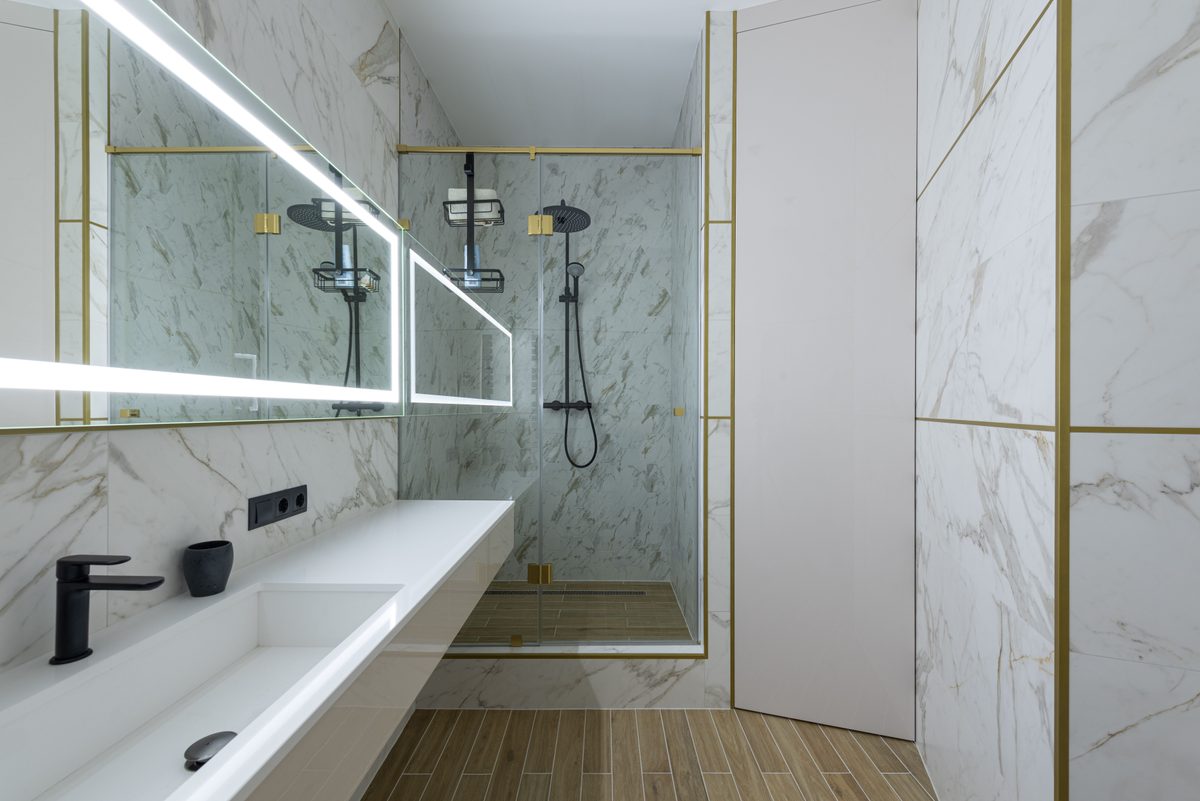
Frameless shower doors utilize thick tempered glass measuring 3/8″ to 1/2″ without surrounding metal frames. Minimal hardware, such as hinges and clamps, secures the glass panels directly to the walls.
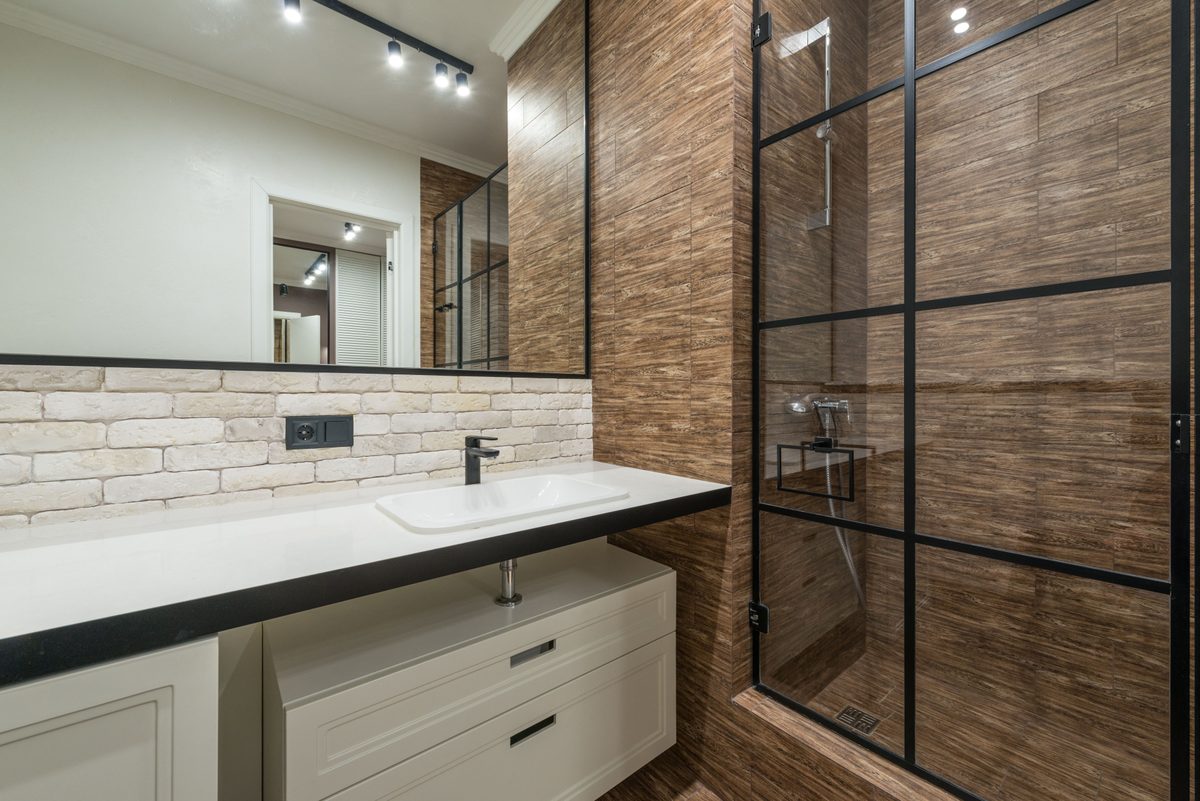
Framed shower doors feature complete aluminum frames encasing thinner glass panels measuring approximately 1/4″. The metal framework provides structural support and enhanced water containment around all edges.
Semi-frameless shower doors combine characteristics of both designs with frames around enclosure edges. The door panel itself features minimal or no metal framing for a cleaner appearance.
Frameless doors deliver modern visual appeal through thick glass and minimal hardware. Framed doors offer traditional construction with complete metal borders providing structural support and water sealing.
Frameless doors create modern, open, airy atmospheres compared to framed doors’ bulkier visual presence. The absence of metal framing makes bathrooms appear larger and showcases tile work more effectively.
Frameless doors simplify cleaning routines because fewer crevices accumulate soap scum compared to framed alternatives. Metal frames on traditional doors collect mildew and require more frequent scrubbing over time.
Framed doors install more easily and quickly than their frameless counterparts, requiring precise measurements. Metal frames excel at containing water and preventing leaks, while frameless designs risk water escape without proper professional sealing.
Sliding and pivot door mechanisms represent the two primary operational styles for shower enclosures. The shower door installation process varies significantly between these mechanisms based on track requirements and swing clearance.
Sliding shower doors consist of two or more glass panels moving along tracks and overlapping for entry. These designs offer excellent space-saving functionality because no outward swing occurs during operation.
Entry width remains narrower compared to pivot or hinged alternatives despite space advantages. Bottom tracks accumulate soap scum, requiring tedious maintenance, and sliding mechanisms degrade with repeated use.
Pivot doors rotate on central pins positioned at top and bottom mounting points. Side-mounted hinged doors attach directly to walls or frames for swinging operation.
Both mechanisms provide full-width entry access superior to sliding door clearance. Hinged doors eliminate bottom track cleaning compared to sliding alternatives, but require significant clearance space.
Urban homeowners demonstrate significantly higher demand for space-saving sliding doors because of smaller bathroom footprints. Rural homeowners prefer traditional framed pivot or hinged doors with ample available clearance.
Pivot and hinged doors prove impractical for small bathrooms lacking sufficient swing space. The shower replacement cost in Massachusetts 2026 factors in both door style and available space considerations.
Generational differences significantly shape shower door comparison preferences and purchasing decisions across market segments. Age groups prioritize distinct features ranging from modern aesthetics to accessibility and budget constraints.
Millennials represent 38% of all homeowners undertaking home improvement projects nationwide. Their annual renovation spending averages $5,173, exceeding other age groups’ investment levels.
Frameless minimalist designs appeal to 58% of Millennial buyers seeking contemporary bathroom aesthetics. Gen X demonstrates 55% preference for frameless or semi-frameless options, while 52% of Baby Boomers favor traditional framed doors.
West Coast regions demonstrate the highest adoption rates for contemporary frameless designs emphasizing clear glass. Northeast areas display balanced preferences between traditional framed and modern frameless options influenced by older housing.
Southeast markets maintain strong traditional framed door popularity despite growing frameless adoption in new construction. North America holds 40% of the global market share, with Europe accounting for 30%.
Quality scores 95% importance as a decision factor among consumers evaluating shower door options. Price ranks second at 92% importance, reflecting budget constraints affecting most purchasing decisions.
Durability registers 78% importance, maintenance scores 72%, and installation complexity reaches 68%. These priorities guide homeowners toward products balancing upfront costs with long-term performance expectations.
Framed doors average $800, representing the most budget-friendly option for standard bathroom installations. Frameless doors average $3,000, reflecting premium materials and specialized installation requirements.
Framed doors cost approximately $800 on average, fitting tight renovation budgets effectively. Semi-frameless doors average $1,150, offering a compromise between affordability and modern aesthetics for bathroom remodeling services.
Sliding bypass doors average $1,000 regardless of the frame style chosen for the enclosure. Pivot and hinged doors average $1,900, while frameless options reach $3,000 average cost of $3,000.
Glass material comprises 40-50% of total shower door project costs across all door types. Hardware accounts for 15-25%, with premium finishes like matte black increasing expenses significantly.
Installation labor represents 25-35% of total costs, varying by door complexity and installer expertise. Thicker 3/8″ or 1/2″ glass used in frameless designs costs substantially more than 1/4″ glass in framed alternatives.
Professional installation typically ranges from $300 to $600 depending on door type and project complexity. Additional work including structural reinforcement, tile repair, and old door removal adds $100 to $500.
Framed doors remain the most affordable complete package compared to frameless alternatives. Understanding how to choose the right walk-in shower for your space considerations helps establish realistic budgets.
Frameless doors demand precise professional installation to ensure safety and proper water containment. Proper mounting requires perfectly plumb walls and expert sealing techniques, preventing future leaks.
Frameless designs require precise professional installation because of their heavier glass weight. The thicker glass panels necessitate sturdier wall support capable of bearing substantial weight safely.
Perfectly plumb walls are mandatory for proper frameless door installation and operation. DIY installation attempts for frameless shower doors create serious safety and leak risks, warranting professional expertise.
Framed doors present harder cleaning challenges because metal frames collect soap scum and mildew. Metal components can corrode over time, particularly in humid bathroom environments with inadequate ventilation.
Regular deep cleaning prevents buildup but requires more effort than frameless maintenance routines. The walk-in shower installation what to expect process includes maintenance guidance for chosen door types.
Minimum recommended glass thickness for frameless installations measures 3/8″ (10mm) tempered glass for safety. Standard 1/4″ (6mm) glass proves acceptable for framed doors receiving structural support from metal frameworks.
Thicker glass provides a more premium feel and better structural integrity than thinner alternatives. Safety standards mandate tempered glass for all shower applications, preventing dangerous breakage patterns.
Selecting the appropriate shower door requires balancing multiple factors, including available space and usage patterns. Budget constraints and aesthetic preferences must align with practical considerations like maintenance requirements and accessibility needs.
Small bathrooms benefit from space-saving sliding doors requiring no swing clearance for entry. Larger bathrooms accommodate pivot or hinged doors, offering full-width access, superior for accessibility.
Households with mobility concerns should prioritize wider entry access and zero-threshold designs. The walk-in shower remodel process often incorporates accessibility features alongside door selection.
Modern design preferences favor frameless doors delivering clean lines and unobstructed views of tile work. Traditional aesthetics align well with framed doors offering familiar construction and reliable water containment.
Budget-conscious homeowners often select framed doors, accepting higher maintenance for lower initial investment. Maintenance preferences should factor into decisions because framed doors require more frequent cleaning efforts.
Frameless doors add more home value than framed alternatives, according to real estate market trends. The global shower glass door market reached $18.8 billion in 2023, reflecting strong consumer demand.
Market projections estimate growth to $39.5 billion by 2034 at 7.0% annual compound growth rates. These trends indicate homeowner willingness to invest in quality bathroom upgrades, and understanding bathroom remodel ROI is it worth the investment helps evaluate long-term returns.
Choosing between frameless and framed shower doors depends on budget, design preferences, and maintenance priorities. Frameless options deliver contemporary aesthetics and easier cleaning but demand higher upfront investment and professional installation. Framed doors offer affordability and superior water containment while requiring more frequent maintenance and presenting a bulkier appearance. Semi-frameless designs provide a middle-ground compromise for homeowners seeking balanced solutions between cost and style.
Sliding doors suit space-constrained bathrooms, while pivot and hinged mechanisms provide full-width accessibility. Millennial and Gen X buyers drive market growth toward frameless minimalist designs, while Baby Boomers maintain a preference for traditional framed construction. Regional variations influence adoption rates, with West Coast areas leading frameless acceptance and Southeast markets favoring proven framed reliability.
Quality and price rank as top decision factors guiding consumer choices across all demographics. Professional installation proves essential for frameless doors, while framed alternatives accommodate easier DIY approaches. Glass thickness recommendations specify a minimum of 3/8″ tempered glass for frameless safety and structural integrity. Long-term value considerations favor frameless installations, adding more resale appeal, though framed doors deliver reliable performance at accessible price points. Homeowners should evaluate their specific bathroom dimensions, household needs, and renovation budgets when comparing these fundamental shower door types.
For Massachusetts, Rhode Island, and Southern New Hampshire homeowners, Patriot Bath Remodeling brings decades of combined experience to shower door installations. The company provides transparent pricing and free estimates, helping families make confident decisions for their bathroom renovation projects.
Choosing between frameless and framed comes down to your space, budget, and the look you want. At Patriot Bath Remodeling, our team helps you weigh every option and handles the installation right, so your new shower door fits perfectly, seals properly, and lasts for years. Get a free estimate today and let’s bring your bathroom vision to life.