Monthly Payments as Low as $99! | 1/2 OFF Labor on second Project
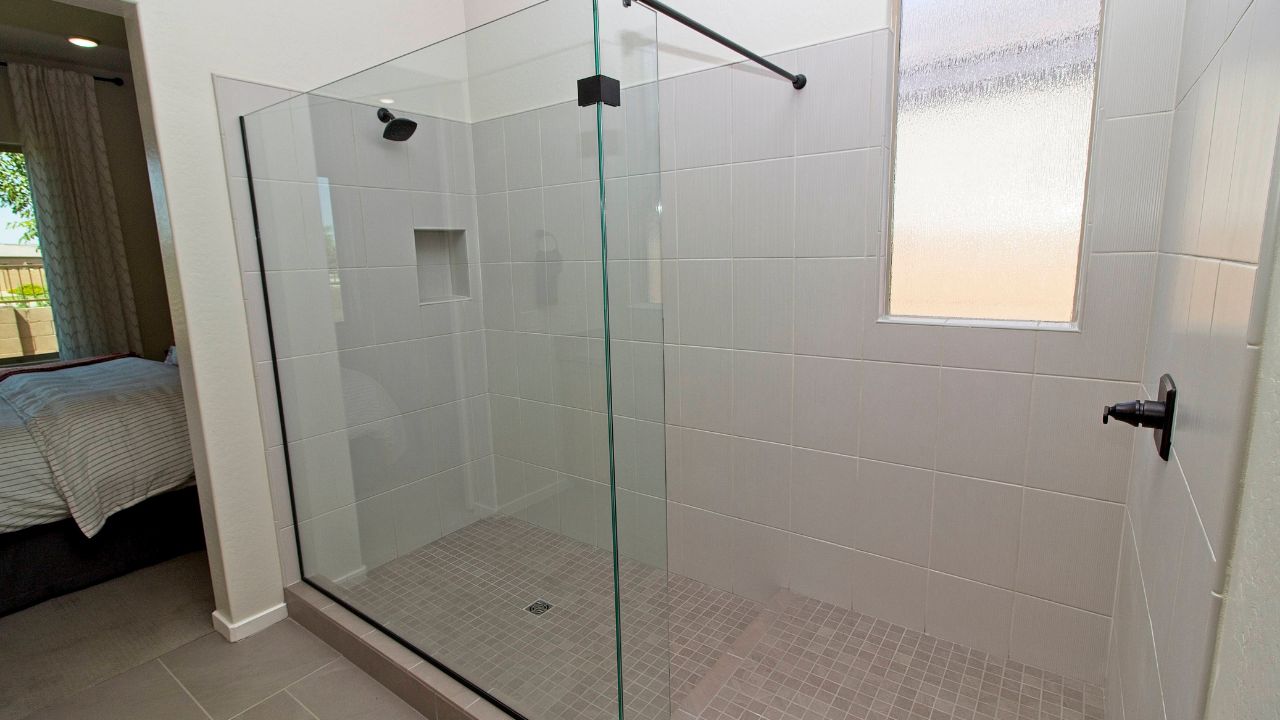
Walk-in shower installation transforms outdated bathrooms into modern, accessible spaces that enhance both function and value. Understanding the installation process, material options, and cost factors helps homeowners make informed decisions about their bathroom remodel timeline. This homeowner’s guide covers everything from initial planning through final installation.
The growing popularity of walk-in showers reflects broader trends in accessibility, sustainability, and personal comfort. With 78% of homeowners selecting frameless glass shower doors and 64% addressing accessibility needs during renovations, these installations represent significant investments in long-term home value. Professional installation ensures proper waterproofing, structural modifications, and code compliance.
Key Takeaways
A walk-in shower is an open-access bathing space without traditional tub walls or high thresholds. These showers combine modern aesthetics with practical accessibility, ideal for families planning to age in place. Walk-in designs range from simple prefabricated units to fully custom tiled installations with frameless glass enclosures.
Choosing a walk-in shower addresses multiple priorities, including safety, space efficiency, and increased home value. The shift toward these installations reflects consumer preferences for sustainable features, with 84% of homeowners prioritizing long-term cost effectiveness. Additionally, 75% focus on personal comfort over resale value during bathroom renovation decisions.
Frameless glass enclosures use 3/8″ to 1/2″ tempered safety glass with minimal hardware. These premium designs create a spacious feel and are highly customizable for specific bathroom layouts. Tiled walk-in showers utilize ceramic, porcelain, or natural stone over a waterproofed substrate for unlimited design flexibility.
Prefabricated units are pre-molded acrylic, fiberglass, or composite materials for quick assembly. Curbless showers have continuous flooring with no threshold, requiring specialized drainage and subfloor modifications. Wet rooms have entire bathrooms waterproofed and functioning as a shower space, representing 12.5% of primary bathroom renovations.
Walk-in showers eliminate entry barriers that pose fall risks for seniors and mobility-challenged family members. Research shows 64% of homeowners address special needs during renovations, while 46% cite future needs of aging household members. These installations support aging in place by creating safer bathing environments without sacrificing aesthetics.
Modern walk-in designs maximize space utilization while offering clean, minimalist appearances. The absence of tub walls and frames creates visual openness that makes bathrooms feel larger. Frameless glass enclosures enhance light flow and spatial perception in smaller bathrooms.
Tempered safety glass ranging from 3/8″ to 1/2″ thickness forms the primary enclosure material for frameless designs. Ceramic and porcelain tiles remain popular for walls and floors due to durability and design versatility. Natural stone options, including marble, granite, and slate, offer premium aesthetics but require more maintenance.
Moisture-resistant backer boards provide a waterproof substrate for tile installations, preventing structural water damage. Acrylic and fiberglass composite materials dominate prefabricated units due to affordability and factory quality control. Specialized drainage systems and linear drains accommodate curbless and wet room installations.
Consumer preferences directly shape product development and installation trends within the walk-in shower market. Modern homeowners prioritize sustainability, accessibility, and professional installation quality over purely aesthetic considerations. These priorities reflect broader demographic shifts as Baby Boomers and Gen X households dominate renovation spending.
The market responds to consumer demand with expanded product categories and specialized installation services. Manufacturers increasingly offer sustainable materials and smart water control systems. Professional contractors adapt installation methods to address aging-in-place requirements and accessibility standards.
Frameless glass enclosures represent 78% of homeowner selections during shower renovations compared to 22% for framed options. This preference stems from minimalist aesthetics that create spacious, open bathroom environments. Frameless designs enhance light flow and visual continuity while simplifying cleaning and maintenance.
The shower glass door market reflects this preference with projected growth to USD 22.7 billion by 2030. Homeowners value customization options that allow precise fitting to irregular bathroom layouts. Despite higher initial costs, frameless enclosures significantly increase home value and appeal to future buyers.
Sustainability features influence 84% of homeowner decisions, with 69% driven by long-term cost effectiveness rather than environmental concerns. Water-efficient fixtures and durable materials reduce operational costs while supporting conservation goals. Low-flow showerheads and thermostatic valves provide immediate utility savings without compromising performance.
Aging-in-place considerations affect 64% of bathroom renovations as homeowners plan for future mobility needs. Curbless entries, built-in seating, and grab bar reinforcement accommodate accessibility requirements while maintaining attractive designs. These features support independent living and eliminate costly future modifications.
Professional installation remains essential, with 88% of homeowners relying on expert help for bathroom renovations. Complex plumbing modifications, waterproofing systems, and structural changes require specialized skills and licensing. Proper installation prevents water damage, ensures code compliance, and protects investment value.
Experienced contractors provide accurate cost estimates, manage material sourcing, and coordinate multiple installation phases. Professional teams complete mandatory waterproofing tests and handle permit requirements that homeowners cannot navigate independently. Quality installation directly affects shower longevity, performance, and warranty coverage.
Walk-in shower products span multiple categories serving different budgets, aesthetic preferences, and installation requirements. Understanding category differences helps homeowners select options aligned with specific needs and financial constraints. Product categories range from affordable prefabricated units to luxury wet rooms requiring extensive structural modifications.
Each category offers distinct advantages regarding installation speed, customization potential, and long-term durability. Price ranges reflect material quality, fabrication complexity, and professional labor requirements. Choosing the right walk-in shower requires balancing immediate budget considerations with long-term value and maintenance expectations.
Frameless glass enclosures cost $800 to $3,500+, depending on glass thickness, hardware quality, and custom sizing. These installations create premium aesthetics with minimal visual obstruction and easy cleaning access. Higher costs reflect precision fabrication, tempered safety glass, and professional installation requirements.
Tiled walk-in showers range from $3,000 to $15,000+ based on tile selection, bathroom size, and design complexity. Custom tile installations offer unlimited design flexibility with ceramic, porcelain, or natural stone materials. Higher potential for water damage exists if improperly sealed, making expert waterproofing critical.
Prefabricated units cost $1,500 to $5,000 and offer the fastest installation option for budget-conscious homeowners. Installation typically requires 1-3 days compared to 3-4 weeks for custom tiled showers. Factory-controlled quality ensures consistent performance and simplified warranty coverage.
Limited design customization restricts prefabricated options to standard sizes and configurations. These units generally lack the durability and premium aesthetic of custom tile installations. However, modern manufacturing improvements have elevated appearance quality, making them viable for mid-range renovations.
Curbless showers cost $6,000 to $15,000+ due to specialized drainage systems and subfloor modifications required. These barrier-free designs eliminate thresholds entirely, creating seamless transitions from the bathroom floor to the shower area. Critical waterproofing requirements extend beyond shower boundaries to protect surrounding floor structures.
Wet rooms range from $10,000 to $25,000+, with entire bathroom spaces waterproofed and functioning as showers. Complex installation requires structural modifications, including floor reinforcement, drainage slope adjustment, and comprehensive membrane systems. Despite higher costs, wet rooms maximize space utilization and provide ultimate accessibility for wheelchair users.
Understanding complete installation costs helps homeowners budget accurately and avoid unexpected expenses. The national average walk-in shower installation costs approximately $9,500, with most homeowners spending between $4,500 and $15,000. Cost variations reflect material choices, bathroom size, plumbing modifications, and regional labor rates.
Comprehensive budgets must account for demolition, waterproofing, materials, labor, and finishing work beyond basic shower components. Hidden costs, including permit fees, temporary bathroom accommodations, and structural repairs, affect final project totals.
Shower base or pan installation costs $800 to $1,800, depending on material quality and custom sizing. Wall materials, including tile or panels, range from $1,500 to $3,500 based on product selection. Glass enclosures and doors add $1,200 to $3,000 to project costs.
Plumbing adjustments typically require $600 to $1,500 for valve relocation, drain modifications, and fixture installation. Labor and waterproofing services cost $2,000 to $4,000 for professional installation meeting building codes. Demolition and removal of existing fixtures adds $500 to $1,500, depending on disposal requirements.
Frameless glass installations require only 2-4 hours for mounting but demand 5-7 business days for fabrication. Custom measurements must be verified before manufacturers begin glass cutting and hardware preparation. Longer fabrication lead times extend overall project schedules despite brief installation duration.
Prefabricated units install within 1-3 days, including demolition, plumbing adjustments, and final assembly. Custom tiled and curbless showers require 3-4 weeks total, encompassing demolition, waterproofing, tile setting, and curing. Multiple installation phases must occur sequentially, preventing timeline compression without compromising quality.
Proper waterproofing prevents catastrophic water damage that compromises structural integrity and creates expensive future repairs. Multi-step waterproofing uses moisture-resistant backer boards, liquid or sheet membranes, and specialized sealants. The Schluter KERDI waterproofing system represents standard practice for professional tile installations.
Flood testing involves plugging the drain and filling the base with water for 24 hours to verify seal integrity. This mandatory test must be completed before tile installation begins to identify membrane failures. Failed flood tests require complete waterproofing system reinstallation, adding significant time and expense.
Installation procedures differ significantly across walk-in shower categories based on complexity and customization levels. Understanding specific installation steps helps homeowners anticipate project phases and coordinate household schedules. The bathroom remodel process varies from simple prefabricated assembly to extensive custom tile work requiring specialized skills.
Professional contractors adapt installation methods to accommodate existing bathroom conditions and homeowner preferences. Structural assessments identify necessary modifications before work begins, preventing mid-project complications. Proper sequencing of demolition, plumbing, waterproofing, and finishing ensures quality results meeting manufacturer warranty requirements.
Prefabricated installation begins with existing shower or tub removal and plumbing rough-in verification. Contractors ensure proper drain positioning and water supply alignment before setting the pre-molded base. Wall panels attach directly to moisture-resistant backer boards using manufacturer-specified adhesives and fasteners.
Sealing all panel joints and edges with waterproof caulk creates moisture barriers, preventing water intrusion. Final plumbing fixtures, including showerheads, valves, and trim plates, are installed after the wall panels are completely assembled. Most prefabricated projects finish within 1-3 days, minimizing household disruption.
Precise measurement occurs after tile installation and grout curing to ensure accurate glass dimensions. Professional installers verify all measurements three times before submitting fabrication orders. Custom glass cutting requires 5-7 business days before installation scheduling can occur.
Mounting hardware attaches directly to finished tile surfaces using specialized drill bits and anchoring systems. Tempered glass panels are installed into mounted channels with precise alignment, preventing stress fractures. Shower door installation requires professional expertise to ensure proper sealing, smooth operation, and long-term durability.
Custom tiled installations begin with complete demolition and disposal of existing bathroom fixtures and finishes. Rough plumbing modifications position drain locations and supply lines according to final design specifications. Moisture-resistant backer board installation creates a stable substrate for waterproofing membrane application.
Waterproofing membrane systems cover all shower surfaces, extending beyond spray areas to prevent moisture migration. Flood testing verifies membrane integrity before tile setting begins, using thin-set mortar and precise spacer placement. Grout application and sealing are complete after the tile adhesive fully cures.
Demographic factors significantly influence bathroom renovation spending patterns and product preferences across age groups. Baby Boomers comprise 59% of renovating homeowners, while Gen X accounts for 27% of the market. Understanding generational priorities helps contractors and manufacturers align services with customer expectations.
Seasonal trends create predictable demand fluctuations affecting contractor availability and material pricing. Spring and summer represent peak renovation seasons when homeowners prefer starting major projects. Strategic project timing can reduce costs and shorten contractor lead times during slower periods.
Gen X demonstrates the highest median renovation spending at $25,000, surpassing Baby Boomer expenditures of $24,000. This spending pattern reflects Gen X’s peak earning years and desire for modern, functional spaces. Baby Boomers maintain market dominance through sheer volume despite slightly lower per-project spending.
Millennials represent 9% of renovations with a median spending of $20,000 per project. This younger demographic’s purchasing power has doubled since 2020 as household incomes stabilize. Millennial preferences lean toward smart home technology integration and sustainable materials over traditional luxury finishes.
Spring initiates renovation season as milder weather and psychological renewal associations drive project planning. Homeowners prefer scheduling major disruptions when children finish school and vacation plans allow temporary displacement. Contractor availability tightens during spring and summer, potentially extending project start dates.
Winter offers cost advantages as reduced demand creates contractor availability and potential material discounts. However, cold weather complicates logistics for projects requiring temporary outdoor plumbing or material storage. Strategic winter scheduling benefits homeowners willing to accommodate weather-related delays for potential cost savings.
Millennials prioritize smart shower technology, including digital temperature controls, voice activation, and water usage monitoring. These features align with broader home automation preferences, distinguishing younger homeowners from previous generations. Integration with whole-home smart systems creates seamless user experiences.
Sustainability considerations drive Millennial material selections beyond cost effectiveness toward environmental impact reduction. Recycled glass tiles, reclaimed wood accents, and low-VOC sealants reflect values-based purchasing decisions. Despite representing only 9% of current renovations, Millennial preferences increasingly influence product development and marketing strategies.
Understanding major brands helps homeowners evaluate quality, warranty coverage, and product availability during planning phases. The global walk-in shower market, valued at USD 7.2 billion in 2024, projects growth to USD 12.4 billion by 2033. This expansion reflects sustained consumer demand and continuous product innovation.
Established plumbing fixture manufacturers compete with specialized glass enclosure companies for market share. Brand selection affects material quality, installation complexity, and long-term maintenance requirements. Researching brand reputations and warranty terms ensures products meet performance expectations.
Specialty glass manufacturers, including BASCO, Coastal Shower Doors, and Original Frameless Shower Doors, dominate custom enclosure segments. These companies compete on glass quality, hardware aesthetics, and fabrication speed, serving contractor and consumer markets. Custom enclosures require precise measurement and expert installation regardless of manufacturer.
Major plumbing brands, including Kohler, Moen, and Delta, offer complementary shower systems integrating with glass enclosures. Kohler positions itself in premium segments, emphasizing luxury finishes and smart technology integration. Moen and Delta target mid-range consumers with reliable performance and accessible pricing.
Kohler emphasizes heritage, luxury positioning, and comprehensive smart home integration across product lines. Premium pricing reflects advanced engineering, aesthetic refinement, and extensive warranty coverage. Their market presence appeals to homeowners prioritizing brand recognition and long-term product support.
TOTO holds approximately 10% global market share, focusing on prefabricated bathroom units and innovative fixtures. Their specialization in complete bathroom solutions simplifies renovation planning. Delta differentiates through mid-range pricing with innovative features, including touch-activated controls and magnetic docking systems.
Digital shower controls allow precise temperature programming and water flow customization through smartphone applications. Voice-activated systems integrate with home automation platforms for hands-free operation and safety monitoring. These technologies appeal to accessibility-focused consumers and tech-savvy demographics simultaneously.
Antimicrobial glass coatings and self-cleaning surfaces reduce maintenance requirements while improving hygiene standards. Water recirculation systems capture and filter shower water for toilet flushing and landscape irrigation. The shower glass door market, expected to reach USD 22.7 billion by 2030, reflects sustained innovation investment.
Successful walk-in shower installation requires careful planning, realistic budget expectations, and professional contractor selection. Homeowners who understand material options, installation timelines, and waterproofing requirements make informed decisions supporting long-term satisfaction. The walk-in shower remodel process demands attention to detail at every phase from initial design through final inspection.
Avoiding costly bathroom remodel mistakes starts with thorough research and clear communication with installation professionals. Comparing shower liner versus full shower replacement options helps determine the appropriate renovation scope for specific situations. Working with experienced contractors ensures proper permits, code compliance, and warranty protection.
Market growth projections showing a CAGR of 5.5% through 2033 confirm sustained consumer demand and product innovation. Regional differences affect material availability and labor costs, requiring localized budget adjustments. Professional installation remains essential for waterproofing integrity and long-term performance regardless of product category.
Patriot Bath Remodeling brings 50 years of combined team experience to walk-in shower installations throughout Massachusetts, Rhode Island, and Southern NH. Their commitment to transparent pricing, quality materials, and minimal household disruption helps families achieve bathroom transformations meeting accessibility and aesthetic goals. Licensed, bonded, and insured professionals provide comprehensive warranties protecting homeowner investments.
You now know what goes into a walk-in shower installation, from waterproofing and timelines to materials and costs. The next step is finding a team you can trust to get it done properly.
At Patriot Bath Remodeling, we bring over 50 years of combined experience to every bathroom project across South Shore Massachusetts, Greater Boston, Rhode Island, and New Hampshire. Whether you want a frameless glass enclosure, a curbless design for aging in place, or a full custom tile shower, our team handles every phase from planning to final installation.
We offer free, no-obligation estimates, flexible financing with monthly payments as low as $99, and a price match guarantee so you get quality craftsmanship at a price that works for your budget. Ready to transform your outdated bathroom with a modern walk-in shower designed for your family’s needs? Contact Patriot Bath Remodeling for a free, no-obligation estimate and discover how affordable professional installation can enhance your home’s value and comfort.