Monthly Payments as Low as $99! | 1/2 OFF Labor on second Project
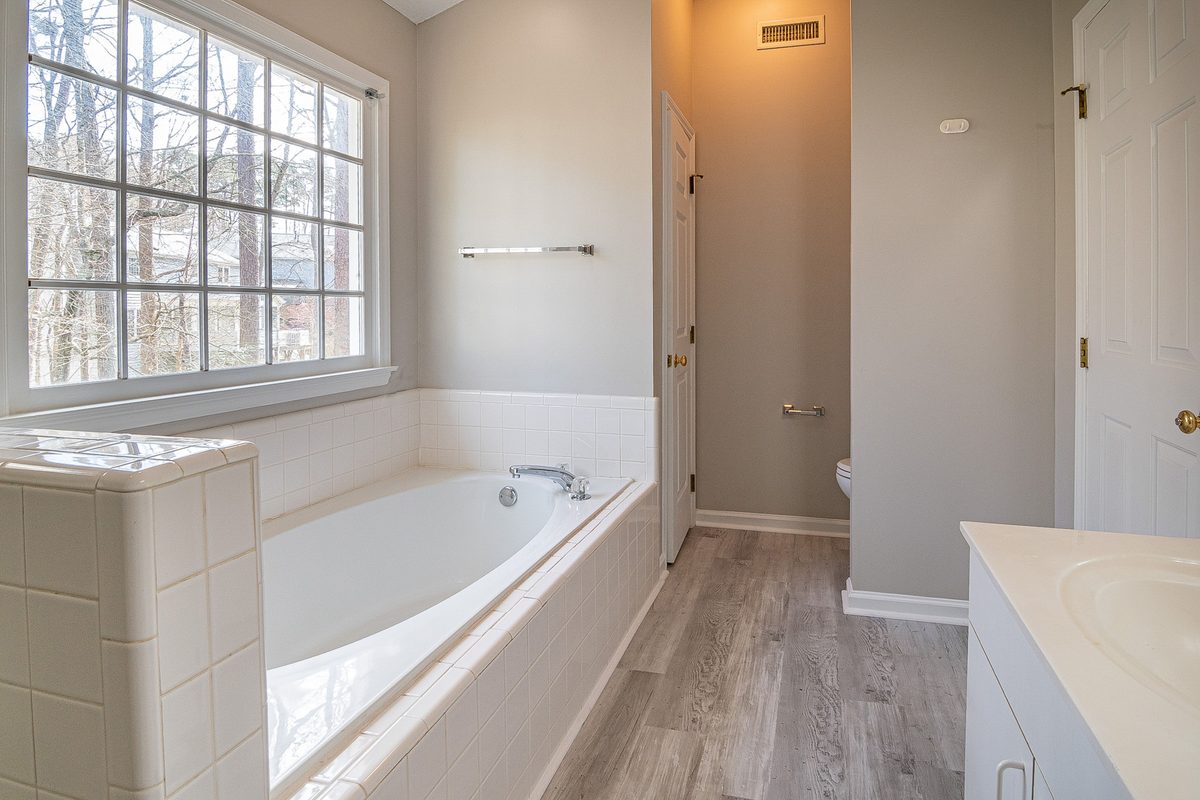
Selecting the right small bathtubs requires balancing function, bathroom space, and household needs in ways that larger bathrooms do not demand. Massachusetts homeowners face particularly complex decisions because dense urban housing, older building stock, and high renovation costs create tighter budgets and stricter layout limitations than many other markets.
The strongest market evidence shows that bathtub preferences split between practical replacement demand and bathroom design upgrades, with alcove tubs commanding 40% of upgrade selections while freestanding styles reach 45%. Material choice concentrates even more sharply, with acrylic capturing 60% of consumer preference due to its lightweight construction and retrofit-friendly installation characteristics.
The three bathtub categories most relevant to compact spaces are alcove, freestanding, and corner designs. Each type solves different layout challenges and serves distinct household priorities.
An alcove tub is designed to fit into a recess formed by three surrounding walls, typically featuring a tiling flange and a finished apron front. This configuration delivers the best space-efficient sizing of any bathtub type because it eliminates wasted circulation area around the tub perimeter.
Forty percent of homeowners choose alcove tubs when upgrading their bathrooms, making it the second most popular style after freestanding designs. Alcove tubs represent the strongest default choice for small bathroom remodel projects where preserving functional bathing capacity matters more than creating a visual centerpiece.
Alcove designs provide superior space efficiency compared to freestanding tubs, which require clearance on multiple sides to achieve their intended visual impact. Entry-level alcove tubs start between USD 687 and USD 999, while better-built models range from USD 1,601 to USD 2,500, making them accessible across most renovation budgets.
A freestanding tub, including classic clawfoot tubs and modern soaking tubs, is a stand-alone fixture that can act as a statement piece and allows flexible placement within the bathroom footprint. Forty-five percent of homeowners choose freestanding flat-bottom tubs when upgrading, making them the single most popular style in renovation projects.
Small freestanding bathtubs may feel cramped without adequate clearance on at least three sides of the fixture. Compact freestanding tubs should be kept to 60 inches or less for small spaces to maintain enough circulation room for safe, comfortable daily use.
Freestanding acrylic tubs, including deep soaking models, range from USD 600 to USD 900 at the entry level and extend from USD 1,800 to USD 3,500 or more for premium models. These fixtures work best in small bathrooms only when the homeowner prioritizes design impact and has verified that sufficient floor area remains after installation.
A corner bathtub fits into the junction of two walls and is often spacious enough for two bathers when properly sized. Only 2% of homeowners choose corner tubs during renovation projects, reflecting their niche application rather than mainstream appeal.
Corner tubs are often not as space-efficient as alcove designs in truly small bathrooms because their diagonal footprint can consume more usable floor area than anticipated. Verifying actual circulation space before choosing a corner tub prevents layout problems that become apparent only after installation.
Corner tub prices range from USD 1,378 to USD 1,600 at the lower end and extend from USD 2,501 to USD 5,000 for larger or feature-rich models. These fixtures solve specific layout problems but should not be selected based solely on the assumption that using a corner automatically saves space.
Material choice affects weight, durability, heat retention, and installation complexity in ways that directly impact small bathroom renovations. The three most common premium materials are acrylic, fiberglass, and enameled cast iron.
Sixty percent of homeowners choose acrylic material when selecting a new bathtub for renovation projects. Acrylic construction uses a thermoformed acrylic sheet reinforced with fiberglass and resin backing, creating a lightweight yet durable tub shell.
Acrylic offers lightweight construction and durability advantages compared to cast iron, which provides exceptional longevity but creates significant weight and structural challenges. The weight difference becomes critical in Massachusetts retrofits where older framing and difficult stair access make heavy materials impractical.
Sixteen percent of homeowners choose fiberglass material, while 8% select enameled cast iron for their bathtub installations. Fiberglass can feel less substantial and prove less durable over extended use compared to acrylic or cast iron alternatives.
Cast iron tubs create structural and load concerns in retrofits because the material weight often exceeds what older floor framing can safely support. Enameled steel offers a middle ground but proves noisier during filling, retains heat less effectively, and can chip more easily than either acrylic or cast iron.
Checking tub weight and structural support requirements prevents installation failures and ensures long-term safety. Heavy materials create difficulty with stair access in older buildings, particularly in urban Massachusetts homes with narrow hallways and tight turns.
Cast iron requires structural reinforcement and creates difficult retrofit installation scenarios that add substantial labor costs. Lightweight acrylic simplifies bathtub replacement projects by reducing handling complexity and eliminating the need for floor structure upgrades in most residential applications.
The decision to keep or remove a bathtub represents one of the most consequential choices in small bathroom planning. Space-saving tubs may still consume valuable floor area that could better serve other functions.
Twenty-five percent of renovating homeowners remove the bathtub entirely during bathroom remodeling projects. Eighty-two percent of those removing the tub use that space to enlarge the shower, reflecting a clear preference for walk-in shower capacity over bathing flexibility.
Removing a bathtub may hurt resale value if it represents the only tub in the home, particularly for families with young children. Beginning with small bathroom decisions, such as whether the household genuinely needs to keep a tub, clarifies priorities before selecting specific fixtures.
Thirty-four percent of renovating homeowners upgrade the bathtub rather than remove it. Twenty-six percent keep the existing tub, while 9% had no tub previously and choose not to add one during renovation.
Sixty-five percent of homeowners associate relaxation with a spacious shower rather than with bathtub features. This preference pattern explains why tub-to-shower conversion projects continue gaining popularity in space-constrained bathrooms where daily shower use dominates actual bathing habits.
Seventy-two percent of first-time buyers want both a shower stall and a tub in the primary bathroom. Seventy-two percent of repeat buyers share the same preference, indicating strong market demand for dual bathing options.
Twenty-eight percent of homeowners cite a comfortable tub as helping them unwind, while 74% associate relaxation more strongly with cleanliness. These priority patterns suggest that preserving tub access matters more for families with children or future resale flexibility than for households focused primarily on personal relaxation.
Accessibility requirements fundamentally alter bathtub selection criteria when mobility limitations or aging-in-place planning drive renovation decisions. Best tubs for small spaces must sometimes prioritize safe entry over space efficiency.
A walk-in bathtub features a low threshold, integrated door, and built-in seating designed specifically for safety and aging in place. Walk-in tub prices range from USD 2,000 to USD 5,000 at the entry level and extend from USD 8,001 to USD 13,000 or more for models with therapeutic features.
Walk-in tubs have a slower fill and drain experience because users must remain inside while water fills and empties. Reviewing fill and drain performance specifications helps aging-in-place remodeling projects avoid models with excessively long wait times.
Forty percent of new bathtubs in households aged 55 and older included accessibility features during installation. In households under age 55, only 22% included accessibility features when selecting new tubs.
Sixty-eight percent of homeowners consider special needs in their bathroom renovation projects, even when current mobility remains strong. Evaluating threshold height for accessibility needs and assessing seated bathing ergonomics for mobility users ensures that tub selection supports long-term household safety.
Walk-in tubs provide the safest entry and exit experience compared to standard tubs, which create harder entry challenges for users with mobility limitations. Checking grab support, slip resistance, and other safety features ensures that accessibility upgrades deliver meaningful safety improvements rather than cosmetic modifications.
Accessibility considerations often outweigh aesthetic preferences when household members face mobility challenges or plan to age in place. Compact bathtubs with low thresholds and integrated seating may serve small bathrooms better than space-saving designs that force users to step over high walls.
Understanding product pricing helps homeowners set realistic budgets, though installed costs in Massachusetts typically exceed fixture-only prices. Material choice and feature complexity drive most price variation.
Alcove compact and entry-level models range from USD 687 to USD 999 at the low end and USD 1,601 to USD 2,500 at the higher end. Drop-in 60-inch tubs range from USD 855 to USD 999 for basic models and USD 1,801 to USD 3,000 for better-built options.
Freestanding acrylic tubs range from USD 600 to USD 900 for entry-level designs and USD 1,800 to USD 3,500 or more for premium models. Corner tubs range from USD 1,378 to USD 1,600 at the lower end and USD 2,501 to USD 5,000 for larger or feature-rich designs.
Walk-in tub prices range from USD 2,000 to USD 5,000 for basic models and USD 8,001 to USD 13,000 or more for premium therapeutic options. These prices reflect product costs only and do not include installation labor or related construction work.
Average Boston bathtub replacement cost reaches USD 1,447 for straightforward swap projects. Boston bathtub replacement projects typically range from USD 946 to USD 1,953, depending on access difficulty and plumbing modifications.
The average bathroom remodel cost in Massachusetts reaches USD 12,625 for complete renovations. Boston bathroom remodel projects typically range from USD 7,339 to USD 17,928, depending on fixture selection, layout changes, and finish quality.
Massachusetts labor rates and material costs exceed national averages in ways that affect final project budgets more than fixture selection alone. Dense urban housing and older building stock create additional installation complexity that raises costs beyond simple product pricing.
Massachusetts housing conditions create unique constraints that influence both bathtub selection and overall renovation strategy. Older homes and urban density limit options in ways that newer suburban construction does not.
Massachusetts has dense urban housing and a large stock of older homes that constrain bathtub options through tight access, load-bearing wall placement, and existing plumbing configurations. These structural realities make lightweight materials and compact fixtures more practical than premium alternatives that require extensive supporting work.
Urban core households retain tubs in approximately 68% of bathroom renovations compared to 75% retention in outer suburbs. This difference reflects tighter space constraints and stronger shower-preference patterns in dense urban areas where floor space carries premium value.
Urban core bathrooms face tighter footprints that favor bathroom remodel in Massachusetts, which approaches emphasize space efficiency over luxury fixtures. Outer suburbs offer more flexibility for upgraded tubs because room dimensions and layout options support both bathing and circulation needs.
Premium markets in affluent inner suburbs and Cape Cod show stronger freestanding-tub adoption because household budgets and bathroom sizes both support design-led fixture selection. Value-conscious markets in western and central Massachusetts maintain a higher alcove-tub preference because functional replacement drives more renovation decisions than aesthetic upgrades.
The Massachusetts bathtub market reached an estimated USD 54.1 million in 2023 based on housing stock and remodeling intensity. The Massachusetts bathtub market is projected to reach approximately USD 69.3 million by 2030, reflecting steady renovation demand.
Massachusetts market growth at an estimated 3.5% compound annual rate exceeds the U.S. market growth rate of 3.0% from 2024 to 2030. This faster growth reflects ongoing bathroom modernization needs in the state’s aging housing stock and strong homeowner investment in quality upgrades.
Successful bathtub selection requires evaluating multiple factors simultaneously rather than optimizing for any single attribute. The best choice balances space constraints, household needs, budget realities, and installation complexity.
Assessing space and plumbing constraints before selecting specific tub models prevents layout problems that become expensive to solve during construction. Verifying water heater capacity for tub size ensures that larger soaking models can actually fill within reasonable time frames.
Clarifying project scope before selecting tub style helps homeowners understand whether their renovation supports simple fixture replacement or requires more extensive bathroom remodeling services. Understanding the full bathroom remodel process step-by-step guide reveals how tub selection fits within broader renovation sequencing and budget allocation.
Identifying intended users and mobility needs clarifies whether accessibility features should influence tub selection from the start. Households with young children prioritize different bathtub characteristics than empty nesters or mobility-limited users.
Daily usage patterns matter more than occasional preferences when selecting between tub retention and shower expansion. Homeowners who bathe weekly but shower daily may gain more value from enlarged shower capacity than from upgraded tub features.
Balancing design appeal, functional requirements, and budget constraints produces more sustainable renovation outcomes than optimizing for aesthetics alone. The most successful small bathroom bathtub selections satisfy practical daily needs while remaining within realistic project budgets.
Material selection affects long-term satisfaction as much as initial visual appeal because durability and maintenance requirements influence ongoing ownership experience. Choosing fixtures that match actual household usage patterns rather than aspirational bathing habits ensures that renovation investments deliver value over time.
Small bathroom bathtub selection requires careful evaluation of space efficiency, material performance, accessibility needs, and budget constraints to achieve successful renovation outcomes. The strongest evidence shows that alcove tubs remain the most practical choice for compact spaces, while freestanding designs work only when adequate clearance exists, and household priorities favor design impact over space efficiency.
Massachusetts homeowners benefit from understanding that material choice profoundly affects installation complexity and long-term durability, with acrylic dominating preference due to lightweight handling and retrofit-friendly characteristics. Whether upgrading an existing tub or deciding between bathtub retention and shower expansion, the best decision begins with an honest assessment of household needs, available space, and realistic project budgets rather than aspirational fixture selection.
Patriot Bath Remodeling helps Massachusetts homeowners navigate these complex decisions with transparent pricing, experienced design guidance, and quality installation backed by comprehensive warranties. Our team understands the unique challenges of small bathroom renovations in older New England homes and delivers practical solutions that balance style, function, and budget without compromising quality.
Ready to explore the bathroom remodeling services that fit your space and budget? Contact Patriot Bath Remodeling today for a free, no-obligation estimate. With over 50 years of combined experience, lifetime warranties, and financing as low as $99 per month, our team makes transforming your small bathroom into a more functional, beautiful space easier than you think.