Monthly Payments as Low as $99! | 1/2 OFF Labor on second Project
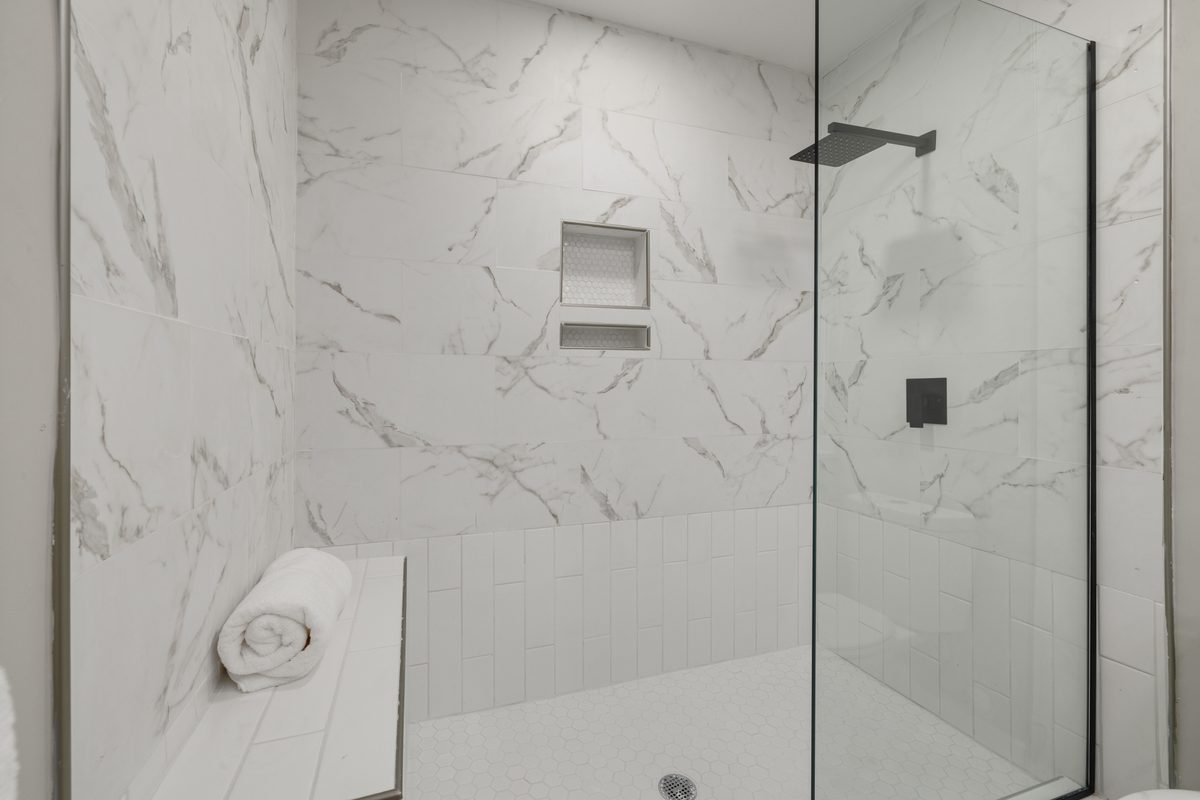
Selecting the right shower wall material shapes your bathroom’s function, appearance, and long-term cost. The shower surround vs tile debate centers on balancing design freedom against installation speed and maintenance demands. Understanding how fiberglass, acrylic, PVC composite, solid surface, and tile options compare helps homeowners match materials to specific budgets and priorities.
Shower surrounds are prefabricated waterproof panels installed over existing walls or new framing. Tile shower walls use individual ceramic, porcelain, or stone units set in mortar over a waterproof backing. Both systems create watertight enclosures, but they differ in installation method, customization potential, and maintenance requirements.
FRP panels are fiberglass-reinforced plastic panels that offer lightweight, entry-level waterproofing. Acrylic shower surrounds are thermoformed polymer panels and modular kits priced between $400 and $700 for standard configurations. PVC composite panels are thick, waterproof composite sheets with trim systems costing $1,100 to $1,500 for complete kits.
Solid surface includes engineered stone, cultured marble, or seamless composite panels, ranging from $1,200 to $1,600. Cultured stone systems are engineered stone materials that mimic natural stone appearance without the weight or cost. These materials serve homeowners prioritizing shower surround installation speed and grout-free cleaning.
Tile showers use ceramic or porcelain units installed individually with grout joints between each piece. Natural stone showers incorporate marble, granite, or slate for premium aesthetics and higher material costs. Installation requires skilled labor to ensure proper waterproofing, substrate preparation, and precise grout line alignment.
Tile systems allow unlimited design combinations through size, shape, color, and pattern variations. Stone showers command $4,000 to $8,000 for standard installations using real granite or marble. Both tile and stone require ongoing grout sealing and cleaning to maintain appearance and prevent moisture infiltration.
Tile delivers unmatched design flexibility and perceived luxury that aligns with high-end remodeling goals. 83% of homeowners upgrading shower walls choose tile for its premium appearance and resale appeal. The material supports custom layouts, decorative accents, and architectural details that prefabricated panels cannot replicate.
Tile offers the best design flexibility, premium appearance, and resale appeal among all shower wall materials. 79% of homeowners overall choose tile for shower flooring, reinforcing its dominance in bathroom aesthetics. Ceramic and porcelain varieties enable pattern mixing, accent strips, and built-in niches that personalize the space.
Labor-intensive installation requires professional expertise but produces results that match high-end design magazines. Tile shower comparison studies consistently show tile leading in aspirational appeal despite higher upfront costs. The material’s versatility supports both traditional subway-tile looks and contemporary large-format designs.
Custom tile work signals quality construction and thoughtful design to prospective home buyers. Professional tile installation increases perceived bathroom value beyond the actual material cost invested. Homeowners pursuing bathroom remodel ROI often prioritize tile in primary bathrooms where appearance matters most.
Tile accommodates unique shower shapes, curved walls, and integrated benches impossible with standard panels. Design-forward remodels benefit from tile’s ability to coordinate with flooring, countertops, and accent walls. The customization potential justifies higher installation costs when aesthetics drive the project decision.
Material selection determines cost, durability, appearance, and long-term maintenance burden for any shower project. Fiberglass occupies the entry-level position with minimal cost but limited longevity and aesthetic appeal. Acrylic, PVC composite, and solid surface systems progressively increase in price while improving durability and finish quality.
Fiberglass is entry-level, lightweight, and easy to install, but more vulnerable to scratches and surface damage. Acrylic provides budget-friendly, easy-to-clean, fast installation options that are less customizable than tile alternatives. FRP panels cost $300 to $450, offering the lowest material investment for waterproof coverage.
Fiberglass shower kits cost $300 to $500, with premium configurations reaching up to $1,200. Standard acrylic shower kits cost $400 to $700 and deliver better surface hardness than basic fiberglass. Both materials suit secondary bathrooms, rental properties, and projects where minimizing cost outweighs appearance concerns.
PVC and composite materials are moisture-resistant, low-maintenance, and thicker than entry-level acrylic panels. Solid surface systems are seamless, non-porous, low-maintenance, and mold-resistant with integrated accessory options. PVC composite shower kits cost $1,100 to $1,500, positioning them between acrylic and solid surface price points.
Cultured marble kits cost $1,200 to $1,600 and offer a stone-like appearance without grout lines. 96-inch PVC systems cost about $300 more than standard height panels to accommodate taller ceilings. These mid-premium materials balance shower surround benefits like fast installation with improved aesthetics and durability.
Regional labor costs, homeowner demographics, and professional hiring rates shape bathroom remodel Massachusetts material decisions. State median household income of $103,960 supports above-average remodeling budgets and premium material consideration. Older housing stock and smaller urban bathrooms increase the appeal of faster-installing, lower-maintenance panel systems.
The Massachusetts shower surround market is estimated at $18.6 million in 2026 based on regional housing shares. The Massachusetts market is projected to be $23.5 to $25.0 million by 2031 using published category growth rates. 93% of Massachusetts homeowners hire professionals for primary bathroom renovations versus 86% nationally, reflecting higher labor reliance.
21% of Massachusetts renovating homeowners enlarge the primary shower by more than 50 percent. Renovating homeowner demographics include 4% youngest cohort, 37% middle-age, and 59% age 59 and older. Older homeowners typically allocate larger budgets and prioritize accessibility features alongside traditional design considerations.
Massachusetts median household income is $103,960, enabling higher spending on quality materials and professional installation. The Massachusetts median owner-occupied home value is $562,100, supporting remodeling investments that protect property value. Renovator income mix shows 28% below $100,000, 25% at $100,000 to $149,999, and 47% at $150,000 and above.
Median primary-bath renovation spend reaches $7,500 for Millennials, $13,000 for Gen X, and $15,000 for Baby Boomers. Prefabricated surround baseline install costs range from $770 to $960, offering substantial labor savings versus tile. Understanding how much does a bathroom remodel cost in Massachusetts helps homeowners align material choices with realistic budgets.
Installation speed and ongoing upkeep requirements separate panel systems from traditional tile or stone installations. Panel surrounds install in hours or days, while custom tile work requires multiple visits for substrate preparation, setting, grouting, and sealing. Maintenance differences accumulate over the years as grout lines require periodic cleaning, resealing, and potential replacement.
Panel systems win on faster installation, fewer grout lines, and lower ongoing maintenance demands. Tile requires higher labor costs and grout maintenance burden, including periodic sealing and scrubbing. Natural stone has the highest cost and maintenance requirements due to its susceptibility to staining and etching.
Long-term cost effectiveness is cited by 69% of sustainable-feature adopters when evaluating bathroom materials. Seamless shower surrounds eliminate grout-related mold, mildew, and discoloration that plague tile installations over time. The shower surround or tile decision often hinges on whether homeowners prioritize upfront aesthetics or long-term ease of care.
Faster installation reduces labor hours, contractor scheduling complexity, and household disruption during active construction. Panel systems typically complete in one to three days compared to week-long tile installations. Reduced project duration matters especially for single-bathroom homes where families lose access during work.
Professional tile installation demands skilled labor commanding premium hourly rates in Massachusetts markets. Prefabricated panels require less specialized expertise, potentially reducing total installation cost even when material prices are comparable. The bathroom remodel process timeline shortens significantly when homeowners select surround materials over custom tile work.
Surrounds excel in secondary bathrooms, tight budgets, quick timelines, and situations prioritizing maintenance reduction. Rental properties, basement bathrooms, and children’s bathrooms benefit from durable, cleanable surfaces that withstand heavy use. Accessibility remodels often pair surrounds with grab bars and zero-threshold entries to maximize safety and affordability.
Tile leads in desire, but surrounds win when speed and maintenance are priorities over design customization. Urban condominiums with limited bathroom access during renovation favor fast-installing panel systems that minimize tenant inconvenience. Budget-conscious families managing bathroom remodel costs allocate savings from the surroundings toward fixtures, lighting, or additional scope.
Aging-in-place projects combine solid surface surrounds with safety features to create functional, low-maintenance wet rooms. Homes with multiple bathrooms can install premium tile in the primary bath while using surrounds elsewhere. The practical advantages of surrounds make them suitable for vacation homes requiring minimal maintenance between visits.
High professional-hiring rates in Massachusetts amplify the cost difference between labor-intensive tile and fast-installing panels. Contractor availability and scheduling constraints make shorter installation windows attractive to busy homeowners and service providers. The bathroom remodel vs DIY analysis favors surrounds for homeowners attempting self-installation due to simpler techniques.
Licensed professionals complete surround installations with less overhead time than multi-day tile jobs requiring repeated site visits. Labor cost savings from the surroundings can fund upgraded fixtures, ventilation, or lighting within the same total budget. Massachusetts labor market conditions make installation efficiency a material-selection factor equal to aesthetics for many homeowners.
Tile suits primary bathrooms, design-forward remodels, and projects where appearance and resale value outweigh maintenance concerns. Homeowners pursuing custom aesthetics, unique layouts, or architectural details require tile’s design flexibility and material variety. Premium home markets expect tile in primary baths, making it essential for maintaining competitive resale positioning.
Functionality and livability represent 28% of remodeling outcomes according to national consumer priorities. Durable and long-lasting results account for 23% of remodeling outcomes, favoring quality tile installations. Beauty and aesthetics comprise 23% of remodeling outcomes, directly supporting tile’s visual advantages over standard panels.
Custom shower designs incorporating niches, benches, multiple showerheads, and unique shapes require tile’s adaptability. Homeowners completing walk-in shower installations often select tile to maximize design impact and material coordination. Tile shower comparison studies confirm that appearance-driven projects consistently favor ceramic, porcelain, or stone over panels.
Real granite or marble shower walls cost $4,000 to $8,000 but deliver luxury aesthetics unmatched by manufactured alternatives. High-end primary bath remodels use tile to signal quality craftsmanship and thoughtful material selection. Design magazines, showrooms, and luxury home tours predominantly feature tile installations, reinforcing aspirational appeal.
Tile coordinates seamlessly with stone countertops, custom cabinetry, and upscale fixtures to create cohesive bathroom designs. Professional designers specify tile when creating spa-like environments, statement showers, or architecturally significant wet rooms. The investment in tile installation justifies itself when homeowners prioritize appearance, uniqueness, and long-term property value.
Both shower surrounds and tile serve valid roles depending on project goals, budget, and priorities. Tile remains the aspirational choice for primary bathrooms where design, customization, and resale value matter most. Surrounds offer compelling advantages in speed, maintenance reduction, and cost control for secondary baths and practical remodels.
The shower surround vs tile decision requires an honest assessment of how homeowners will use the space and maintain it over time. Massachusetts homeowners benefit from evaluating both options within the context of local labor costs and professional hiring norms. The right material choice aligns installation investment, aesthetic expectations, and long-term upkeep capacity with household needs and budget realities.
Patriot Bath Remodeling helps Massachusetts, Rhode Island, and Southern New Hampshire homeowners navigate material selections with transparent guidance and proven expertise. Our team evaluates your specific situation to recommend shower solutions that balance appearance, durability, and budget effectively.
Choosing the right shower wall material isn’t always a clear-cut decision, and that’s exactly why our team is here to help. At Patriot Bath Remodeling, we’ve spent over 50 combined years guiding homeowners across Massachusetts, Rhode Island, and Southern New Hampshire through this exact choice. Whether you’re leaning toward custom tile, a low-maintenance acrylic surround, or something in between, we’ll walk you through the materials, costs, and installation timelines so you can move forward with confidence.
Every project starts with a free, no-pressure in-home estimate. We measure your space, listen to your priorities, and give you straightforward pricing alongside flexible financing options starting at just $99 a month. No surprise fees, no upselling, and every install is backed by our lifetime warranty and price match guarantee.
Ready to see what your new shower could look like? Get your free estimate from Patriot Bath Remodeling today, and let’s design a bathroom that fits your style, your budget, and how you actually live.