Monthly Payments as Low as $99! | 1/2 OFF Labor on second Project
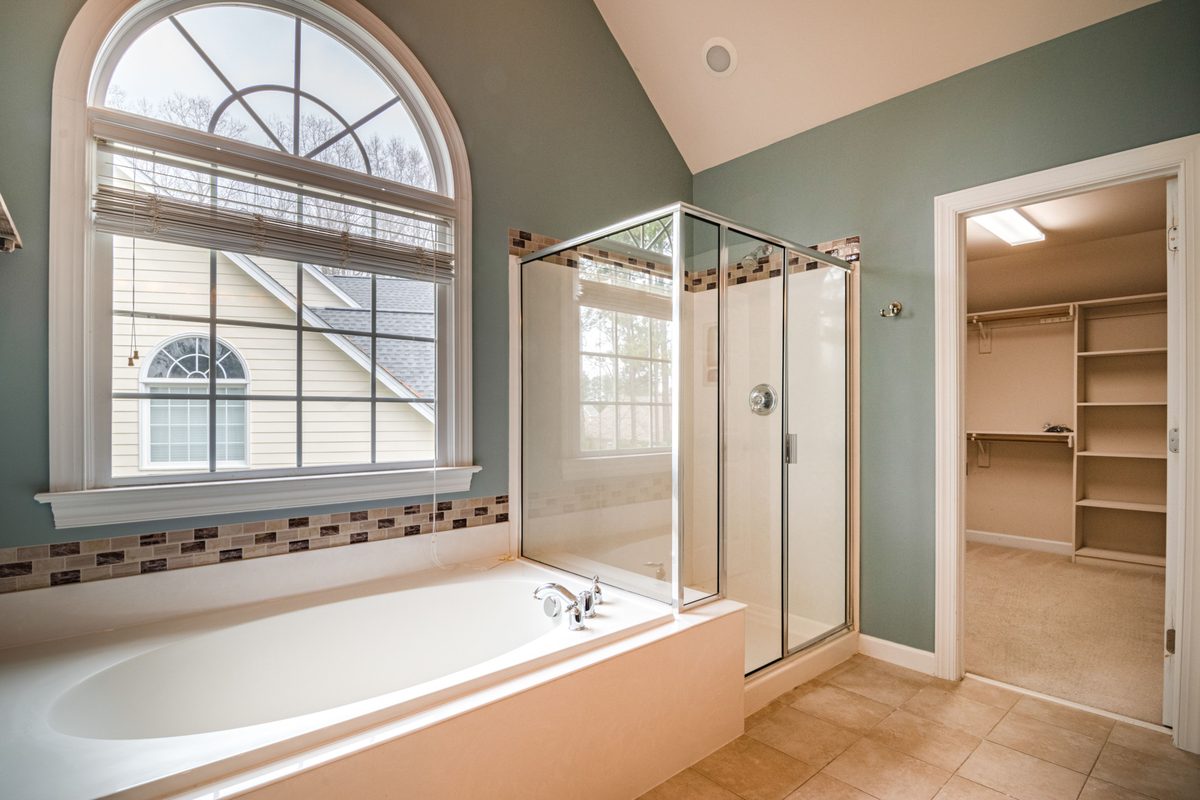
Choosing shower door options requires understanding multiple product categories, regional preferences, and cost structures. The global shower glass door market reached $18.8 billion in 2023 and projects growth to $39.5 billion by 2034.
Bathroom shower door selection involves evaluating frameless versus framed construction, operation mechanisms, and space constraints. Different generations prioritize distinct features when selecting shower doors for their homes.
Shower doors fall into three primary categories based on frame construction and operation style. Understanding these distinctions helps homeowners match products to their specific bathroom layouts and design preferences.
Frame construction determines both appearance and price point across all shower door categories. Operation mechanisms affect daily usability and space requirements within the bathroom.
Frameless doors utilize thick tempered glass, typically measuring 3/8 to 1/2 inches with minimal hardware. These designs feature hinges and clamps without surrounding metal frames.
Framed doors feature complete metal frames, usually made from aluminum around thinner glass panels. Semi-frameless doors feature frames around enclosure edges but minimal framing on door panels themselves.
Sliding doors consist of two or more glass panels moving along tracks while overlapping. These bypass designs allow entry without requiring clearance space for the door swing.
Pivot doors rotate on central pins mounted at the top and bottom positions. Hinged doors mount to walls or frames on one side and swing outward or inward during operation.
The West Coast demonstrates the highest adoption rates of contemporary frameless designs with clear glass preferences. West Coast homeowners show a strong preference for minimal hardware in shower door installations.
Northeast shows a balanced mix of traditional framed and modern frameless preferences across renovations. Southeast traditional framed doors remain highly popular, while urban homeowners show significantly higher demand for space-saving sliding doors.
Consumer preferences for shower doors vary significantly by generation, geography, and individual decision criteria. Millennials represent 38 percent of all homeowners undertaking bathroom renovation projects.
Generational differences drive distinct priorities in shower door selection and spending patterns. Regional trends and specific decision factors also shape which products homeowners ultimately purchase.
Millennials are ages 28 to 43 and prioritize modern aesthetics in bathroom renovations. Generation X is ages 44 to 59, while Baby Boomers are ages 60 to 78.
Millennials’ annual renovation spending reaches $5,173, representing the highest spending among all generations. Baby Boomers focus on aging-in-place modifications while preferring traditional framed door designs.
Rural homeowners lean toward traditional framed pivot or hinged doors for bathroom installations. Geographic location significantly influences whether homeowners select contemporary or traditional shower door styles.
Housing stock age in Northeast markets creates balanced preferences between framed and frameless options. New construction in Southeast markets drives increasing adoption of frameless designs despite traditional preferences.
Quality decision factor importance scores 95 percent among consumers selecting shower doors for bathrooms. Price decision factor importance scores 92 percent, followed by durability at 78 percent importance.
Maintenance decision factor importance scores 72 percent, while installation scores 68 percent among buyers. Aesthetics ranks at 65 percent importance when homeowners evaluate frameless vs framed shower door options.
Frameless and framed shower doors represent the primary choice when selecting bathroom enclosures. These two categories differ significantly in construction, cost, appearance, and maintenance requirements.
Understanding the advantages and disadvantages of each type helps homeowners make informed purchasing decisions. Material costs, installation complexity, and long-term maintenance all factor into this fundamental comparison.
Frameless doors create a modern, open, and airy feel versus framed doors’ traditional appearance. These designs make bathrooms appear larger and showcase decorative tile work effectively.
Frameless doors are easier to clean due to fewer crevices versus framed options. However, requires precise professional work, and frameless doors add significant home value despite higher initial costs.
Framed doors, being the most affordable option, make them popular among budget-conscious homeowners. These designs install more easily and quickly than frameless alternatives while offering superior water containment.
Framed doors have a bulkier appearance and a less contemporary aesthetic than modern alternatives. Metal frames can corrode over time, while framed doors collect soap scum and mildew in crevices, making them harder to clean.
Semi-frameless doors offer a compromise between fully frameless and traditional framed construction styles. These designs provide a cleaner appearance than fully framed options at a lower cost than frameless alternatives.
Homeowners seeking a balance between modern aesthetics and budget constraints find semi-frameless doors appealing. These doors work well when wall conditions cannot support heavy frameless glass panels.
The operation mechanism represents the second critical decision after selecting the frame construction style. Sliding doors and pivot or hinged doors each suit different bathroom layouts and user preferences.
Space constraints often determine which operation style works best for specific bathroom configurations. Accessibility requirements and maintenance preferences also influence this important choice for the best shower door.
Sliding doors offer excellent space-saving design with no outward swing required for operation. These bypass designs are ideal for smaller bathrooms and shower-tub combination installations.
Effective water splash minimization makes sliding doors practical for tight bathroom spaces. However, these designs provide a narrower entry width than hinged alternatives.
Pivot and hinged doors offer full-width entry access, excellent for accessibility requirements. These designs are easier to clean with no bottom track accumulating soap scum.
For larger bathrooms or those requiring accessibility features, hinged doors with flush thresholds are preferred. Smooth operation and sleek, minimalist appearance make these doors popular in modern bathroom designs.
Professionals recommend sliding or pivot doors for small bathrooms where outward swing clearance is limited. Pivot and hinged doors require significant clearance space in front of the shower, versus sliding doors.
Walk-in shower door installations in compact projects benefit from sliding mechanisms. Pivot and hinged doors are not practical for small bathrooms due to clearance requirements.
Shower door installation costs vary significantly based on frame construction, glass thickness, and hardware quality. Understanding typical price ranges helps homeowners budget appropriately for bathroom renovation projects.
Multiple cost components beyond the door itself affect total project expenses for installations. Professional installation labor represents a substantial portion of the overall shower door replacement costs.
Framed door budget range spans $400 to $600, while mid-range options cost $600 to $800. Framed door premium range reaches $800 to $1,200, with an average cost of around $800 total.
Semi-frameless budget range starts at $500 to $800 for basic installations, while frameless doors cost significantly more. Frameless installations average $3,000 with premium options exceeding $5,000 for high-end projects.
Glass material represents 40 to 50 percent of the total cost for shower door projects. Hardware represents 15 to 25 percent of the total cost, while installation labor comprises 25 to 35 percent.
Additional work represents zero to 15 percent of the total project cost, depending on conditions. Thicker glass measuring 3/8 or 1/2 inches used in frameless designs costs significantly more than 1/4 inch glass used in framed doors.
Professional installation typically ranges from $300 to $600 for standard shower door projects. Structural reinforcement, tile repair, or old door removal can add $100 to $500 to total costs.
Premium hardware finishes, including matte black and brushed brass, increase material expenses. Protective glass coatings that resist water spots and soap scum add an optional cost to projects.
Professional installation and proper product selection ensure shower doors function correctly for years. Expert recommendations help homeowners avoid common mistakes during the selection and installation processes.
Glass thickness, hardware quality, and installation precision all affect long-term performance and satisfaction. Maintenance requirements vary significantly among different door types, requiring consideration during selection.
Experts strongly advise against DIY installation for frameless shower doors due to complexity. Frameless doors require precise professional installation, whereas framed doors are easier and quicker to install.
Heavy glass panels require precise measurement, perfectly plumb walls, and expert sealing to prevent leaks. Frameless doors have potential for water leakage if not properly sealed during installation.
Sliding doors have bottom tracks that accumulate soap scum, whereas pivot and hinged doors are easier to clean. Framed doors require more long-term maintenance due to track and frame cleaning requirements.
Frameless doors treated with protective coatings offer easier maintenance and better aesthetic retention. Regular squeegee use after showers prevents water spots regardless of the door type selected.
Experts recommend a minimum of 3/8 inch tempered glass for frameless installations, ensuring structural integrity. While 1/4 inch glass is acceptable for framed doors, thicker glass provides a more premium feel.
Better structural integrity comes from thicker glass panels in all shower door applications. Premium finishes include matte black and brushed brass for hardware, complementing modern bathroom aesthetics.
Matching shower doors to bathrooms requires evaluating space, budget, design preferences, and functional requirements. Frameless options suit modern aesthetics, while framed doors fit traditional design schemes effectively.
Operation mechanism selection depends on available clearance space and accessibility needs within bathrooms. Budget constraints and long-term maintenance preferences also guide appropriate door selection.
Successful shower door selection balances aesthetic preferences, spatial constraints, and budget realities for each project. Frameless doors deliver a modern appearance and increased home value despite higher upfront costs.
Framed doors provide affordable, reliable solutions for budget-conscious homeowners seeking traditional design styles. Understanding factors helps homeowners make informed decisions aligned with priorities. The professional ensures optimal performance regardless of the door type selected. Regional preferences, generational priorities, and specific bathroom layouts all influence which shower door ultimately works best.
Selecting the right shower door transforms bathroom functionality while enhancing overall home value and aesthetic appeal. Quality materials, proper installation, and appropriate style selection create lasting satisfaction with bathroom renovations. Patriot Bath Remodeling brings decades of experience helping homeowners select and install shower doors perfectly suited to their needs and budgets.
Picking the right shower door is easier with an experienced team guiding you through the options. At Patriot Bath Remodeling, we help homeowners across Massachusetts, Rhode Island, and Southern New Hampshire select and install shower doors that fit their space, style, and budget. From frameless glass to space-saving sliding designs, our craftsmen handle every detail with precision. Get your free estimate today, and let’s bring your new bathroom to life.