Monthly Payments as Low as $99! | 1/2 OFF Labor on second Project

Deciding between a tub-to-shower conversion and other bathroom upgrades requires careful evaluation of cost, timeline, and personal needs. This home renovation guide examines conversion types, pricing structures, and demographic factors to help homeowners choose the right solution. Whether prioritizing accessibility, budget constraints, or resale value, understanding available options ensures informed decision-making.
The North American bath remodeling market reached $72.23 billion in 2024 and continues growing at 3.23% annually. Shifting demographics and rising accessibility demands drive this expansion as more homeowners invest in long-term bathroom solutions. Today’s market offers diverse approaches for every need and budget.
Key Takeaways
A tub-to-shower conversion replaces an existing bathtub with a shower enclosure designed for safety and convenience. This upgrade appeals to homeowners seeking improved accessibility, modern aesthetics, or simplified maintenance without full bathroom demolition. The transformation typically preserves existing plumbing locations while enhancing functionality.
Homeowners pursue conversions for aging-in-place preparation, easier cleaning, and increased usable space. Showers require less maintenance than tubs and eliminate the need to step over high barriers. Modern conversions integrate features like rainfall showerheads and built-in seating.
Most conversions include custom-fit enclosures, non-slip flooring, and modern fixtures designed for durability and safety. Professional installations incorporate grab bars strategically placed at entry points and within shower areas. These safety elements integrate seamlessly with contemporary design.
Advanced systems like PermaFit™ custom-fit solutions ensure precise measurements that eliminate gaps and leaks. One-day installation systems allow rapid professional conversions completed within 24 to 48 hours. Curbless shower designs provide barrier-free entry, ideal for wheelchair users and those with limited mobility.
A tub-to-shower conversion vs. a full bathroom remodel presents distinct cost and timeline differences. Full bathroom remodels involve stripping rooms to the studs and rebuilding with new fixtures and finishes. This comprehensive approach addresses structural issues but requires significant time and investment.
DIY conversions typically cost $1,500 to $3,000 while professional conversions range from $3,000 to $8,000 nationally. Full remodels cost $16,000 to $45,000+, depending on scope and materials. Professional conversions are complete in 1-2 days, whereas full remodels take 5-8 weeks with substantial household disruption.
Seniors account for 27.2% of total remodeling market activity, up from 14% in 2003. This shift reflects growing demand for aging-in-place remodeling solutions enabling independent living without institutional care. Aging-in-place conversions focus on accessibility features, including grab bars, handheld showerheads, and barrier-free entries.
Approximately 56% of Boomers remodel specifically for aging-in-place purposes. About 92% of Boomers hire professional contractors, recognizing the importance of proper installation for safety-critical features. These statistics demonstrate how tub to shower benefits extend beyond convenience to fundamental quality-of-life concerns.
Cost and budget constraints remain the primary decision factors across all demographics. Quality of craftsmanship follows closely as homeowners recognize that poor installation leads to expensive repairs. Return on investment calculations influence choices, particularly for homeowners planning to sell within five years.
Project duration and household disruption significantly affect bathroom remodeling decision-making, especially for single-bathroom homes. Accessibility needs drive conversions for families with elderly members or those planning long-term residence. Design preferences vary by generation, with younger homeowners prioritizing modern aesthetics.
Mid-range bathroom remodels cost an average of $25,251 and return $18,613 at resale for 74% ROI. Upscale remodels yield 45% ROI while universal design remodels return approximately 49% of cost. Mid-range projects offer the strongest financial returns for homeowners focused on resale value.
Budget considerations extend beyond initial costs to include long-term maintenance expenses and energy efficiency improvements. Cost-effective remodel options like professional conversions balance upfront investment with durable materials that reduce future repair needs. Homeowners increasingly view bathroom upgrades as functional investments rather than purely aesthetic expenses.
One in five Millennials spends more than $5,000 annually on home improvement projects. Millennials spend 51% more than Generation X, who spend 32% more than Baby Boomers. These patterns reflect different priorities, with younger homeowners emphasizing design while older demographics prioritize function.
About 10% of all renovation spending by seniors focuses on accessibility features like walk-in showers and grab bars. This creates demand for contractors experienced in the best accessible bathroom features for seniors rather than general remodeling. Generation X homeowners balance aesthetics and functionality while maintaining mid-range budgets.
Urban homeowners prioritize space efficiency through solutions like wall-mounted toilets and compact shower enclosures. Limited square footage drives demand for multifunctional fixtures and streamlined designs. Urban bathrooms typically feature modern minimalist aesthetics with neutral palettes.
Suburban homeowners enjoy larger bathrooms, allowing separate soaking tubs alongside spacious walk-in showers. This additional space permits luxury features, including dual vanities, freestanding tubs, and extensive storage. Suburban projects often incorporate spa-inspired elements like rainfall showers and steam systems.
Three primary approaches serve different homeowner needs: DIY conversions, professional conversions, and accessibility-focused aging-in-place remodels. Each method offers distinct advantages regarding cost, timeline, quality, and safety features.
Market segmentation shows DIY conversions representing 18% of projects, while professional conversions capture 27.5%. Accessibility conversions account for 12% but represent the fastest-growing segment. Full bathroom remodels constitute the remaining 42.5%.
DIY conversions represent 18% of the market, appealing to budget-conscious homeowners with construction experience. These projects require 40-80 hours of labor involving demolition, plumbing adjustments, waterproofing, and installation. DIY approaches demand specialized tools, including tile saws, plumbing wrenches, and waterproofing equipment.
Custom bases with tile or acrylic wall panels are common DIY materials available at retailers. However, bathroom remodel vs DIY, when to hire a pro, considerations must address waterproofing expertise and code compliance. DIY projects offer no warranty on workmanship, leaving homeowners responsible for future water damage or failures.
Professional conversions represent 27.5% of market activity driven by demand for guaranteed quality and rapid completion. Professional conversion involves precision measurement, expert demolition, code-compliant plumbing adjustments, and installation. Licensed contractors ensure proper waterproofing, preventing mold growth and structural damage.
Professional-grade waterproofing membranes provide superior moisture protection compared to consumer-grade products. Companies like Five Star Bath Solutions offer promotional discounts such as $1,500 off. These conversions are complete within 1-2 days, minimizing household disruption while delivering lifetime warranties.
Accessibility conversions capture 12% of market share but demonstrate the highest growth rate. Universal design principles ensure accessibility for all users regardless of age or mobility limitations. These conversions integrate safety features without institutional appearances.
Accessibility conversions require a minimum 36-inch doorway allowing wheelchair passage and maneuvering space. Strategic grab bar placement follows ADA guidelines, positioning supports at entry points and along walls. Handheld showerheads mounted on adjustable rails accommodate users of varying heights and capabilities.
National cost ranges vary significantly based on approach, materials, and regional labor rates. Professional conversions cost two to three times more than DIY but eliminate risks of water damage and code violations. Full remodels exceed conversion costs by three to six times while delivering comprehensive transformations.
Accessibility conversions command premium pricing due to specialized expertise and code-compliant safety installations. Regional variations, particularly in Massachusetts, significantly exceed national averages due to labor shortages and historic housing challenges.
DIY conversions typically cost $1,500 to $3,000 for materials, including shower bases, wall panels, and fixtures. Professional conversions typically cost $3,000 to $8,000, incorporating labor, warranties, and higher-quality materials. Full remodels cost $16,000 to $45,000+, depending on fixture selections, tile quality, and structural modifications.
Accessibility conversions cost $20,000 to $35,000+, reflecting specialized features like zero-threshold entries and reinforced grab bar installations. These costs include custom design, ensuring spaces meet universal design standards, and building codes. Despite initial expense, accessibility investments prevent future institutional care expenses exceeding $112,000 annually.
National average remodel costs range from $180 to $280 per square foot. Greater Boston averages $900 to $1,200 per square foot, representing four times the national rate. This premium reflects high labor costs, stringent permitting, and challenges to renovating historic housing.
Boston budget renovations start at $17,500, while mid-grade renovations begin at $27,500. Boston high-end projects start at $39,500, easily reaching $200,000 for luxury primary suites. Bathroom remodel Massachusetts projects must account for these regional premiums.
Shortage of skilled tradespeople drives up labor rates as demand exceeds qualified contractor capacity. Strict permitting requirements add time and expense through multiple inspection phases. Historic housing stock requires complex updates to outdated plumbing and electrical systems.
Older New England homes feature non-standard layouts requiring custom solutions rather than prefabricated components. Load-bearing wall considerations and asbestos abatement add unexpected costs. These factors combine to create significant cost premiums in Greater Boston and surrounding communities.
Accessibility features fundamentally reshape bathroom design priorities, shifting focus from aesthetics to functional safety requirements. These modifications enable independent living for seniors and mobility-challenged individuals while maintaining contemporary designs. Proper accessibility integration requires understanding ADA guidelines and universal design principles.
The aging population drives increasing demand for barrier-free showers, grab bars, and non-slip flooring. Contractors specializing in accessibility work command premium rates due to code-compliant installation expertise. However, these investments pay dividends through extended independent living and avoided institutional care expenses.
Grab bars, non-slip flooring, and curbless showers form the foundation of effective accessibility conversions. Accessibility conversions require a minimum 36-inch doorway providing wheelchair access and adequate maneuvering space. Strategic grab bar placement follows ADA standards, positioning supports where users transfer weight.
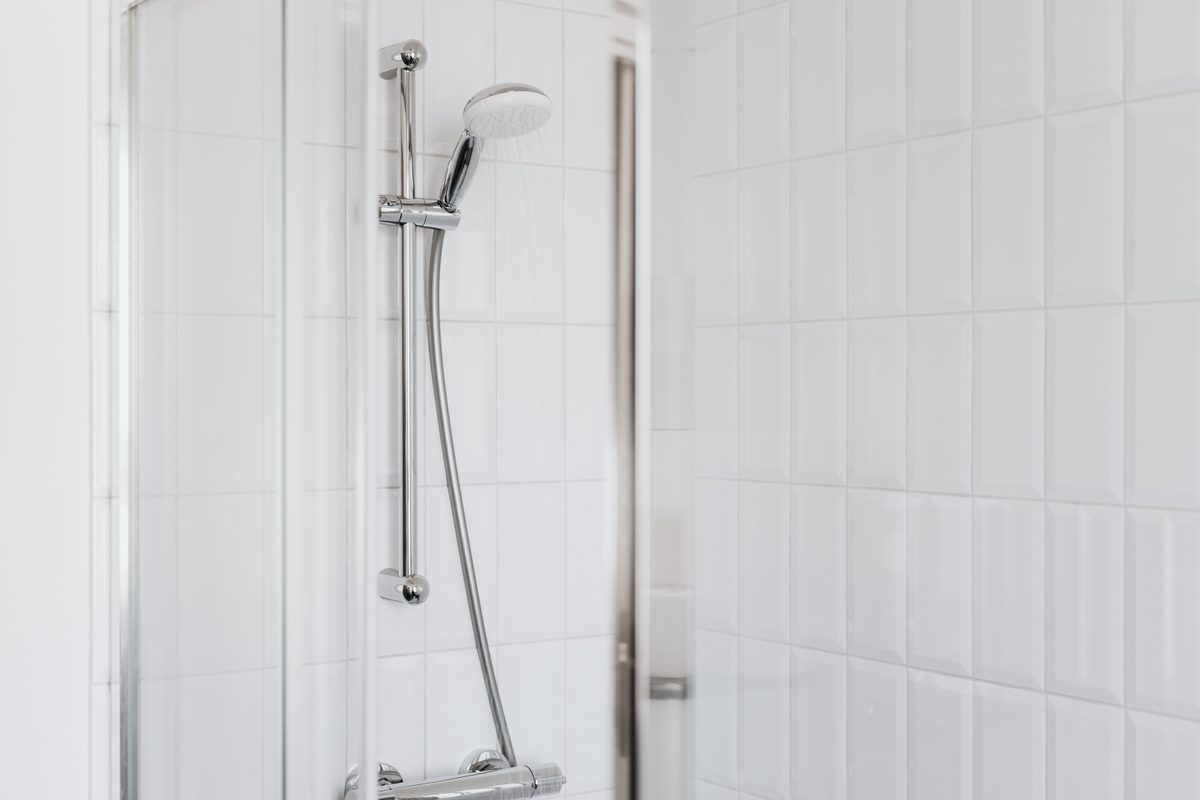
Handheld showerheads mounted on adjustable slide bars accommodate seated showering and varying user heights. Built-in shower seats rated for 250+ pounds provide secure resting points. These features integrate seamlessly when contractors use brushed nickel or chrome finishes matching other fixtures.
Average annual nursing home costs exceed $112,000, making accessibility investments financially sensible for long-term planning. Universal design remodels return approximately 49% of cost at resale, though ROI understates true value. Enabling independent living provides psychological and emotional benefits beyond financial calculations.
Accessibility conversions cost $20,000 to $35,000+, representing significant upfront investment. However, these modifications pay for themselves in less than one year compared to institutional care expenses. Many homeowners view accessibility features as essential safety investments.
About 10% of all renovation spending by seniors focuses on accessibility features. Families with aging parents often initiate accessibility remodels to create safe multigenerational living spaces. Homeowners experiencing mobility challenges from injury or progressive conditions proactively modify homes before crises necessitate rushed solutions.
Need for specialized contractors with accessibility expertise limits available service providers. How to choose the right walk in shower for your space requires balancing accessibility requirements with existing dimensions and structural limitations. These projects demand contractors familiar with reinforcement techniques, ensuring grab bars support full body weight.
Modern bathroom remodeling increasingly integrates smart technology, transforming functional spaces into high-tech wellness environments. Digital innovations include touchless faucets, programmable shower systems, and intelligent toilets with integrated bidets. These features appeal to younger demographics viewing bathrooms as technology-forward spaces.
Design trends emphasize spa-inspired aesthetics with natural materials, ambient lighting, and luxury fixtures, creating retreat-like atmospheres. Wellness-focused features like chromotherapy lighting address mental health alongside physical cleanliness.
Smart bathroom segments grow at 6.1% CAGR, outpacing general market expansion. Intelligent toilets, digital showers, and sensor-enabled fixtures provide automated experiences. Voice-activated systems allow users to adjust shower temperature and lighting without touching surfaces.
Digital shower controls enable precise temperature programming, preventing scalding while conserving water through timed shut-off. Motion-sensing faucets reduce water waste and improve hygiene. These technologies require electrical planning and smart home system compatibility considerations.
Rainfall showers and steam systems create spa-like experiences, transforming daily routines into wellness rituals. These features appeal to homeowners prioritizing self-care and stress reduction. Natural materials, including stone tile and bamboo accents, connect users with nature while maintaining modern aesthetics.
Chromotherapy lighting systems use colored LED arrays promoting relaxation through visual stimulation. Heated floors and towel warmers extend comfort beyond shower enclosures. 5 smart reasons to remodel your bathroom in 2026 include these wellness features addressing function and psychological well-being.
Professional conversions have less flexibility in highly customized design compared to full remodels, allowing complete layout reimagining. Conversion projects work within existing footprints, preserving plumbing locations and structural elements. This constraint limits options for relocating fixtures or expanding shower dimensions.
Full remodels permit complete design freedom, including layout changes, fixture relocation, and structural modifications. Homeowners can add windows, skylights, or expand bathrooms into adjacent spaces. However, this flexibility comes with significantly higher costs and extended timelines.
Decision-making requires honest assessment of budget limitations, timeline flexibility, and specific renovation goals. Homeowners planning to sell within five years should prioritize ROI-focused mid-range updates. Those intending long-term residence can justify higher investments in personalized features.
Structural issues like water damage, mold growth, or outdated plumbing necessitate full remodels regardless of preferences. Simple functional updates without underlying problems suit conversion approaches, delivering rapid results at moderate costs. Professional inspections reveal hidden issues influencing whether conversions adequately address conditions.
Full remodels offer up to 80% ROI for mid-range projects while providing complete design control and structural updates. Conversions complete faster with less disruption, but cannot address underlying plumbing or electrical deficiencies. Budget constraints often determine final decisions, with conversions providing functional improvements at a fraction of full remodel costs.
Improper waterproofing is the leading cause of post-renovation mold and structural damage. Water damage from improper installation creates expensive repairs often exceeding original project costs. Budget overruns occur when contractors discover unexpected issues during demolition.
Professional conversions are complete in 1-2 days, minimizing household disruption and maintaining daily routines. Full remodels take 5-8 weeks, requiring temporary bathroom arrangements and significant lifestyle adjustments. Single-bathroom homes face particular challenges during extended remodels, necessitating alternative showering arrangements.
Full remodels cause significant household disruption through demolition noise, contractor traffic, and dust migration. Families with young children or elderly members often prioritize rapid conversions. However, homeowners tolerating temporary inconvenience gain comprehensive updates addressing multiple issues simultaneously.
Full remodels become necessary when addressing structural work, complete plumbing and electrical updates, and custom finishing. Outdated plumbing systems using galvanized pipes require replacement, preventing future leaks and water quality issues. Mold growth behind walls demands full demolition, exposing affected areas for proper remediation.
New vanities, toilets, flooring, lighting, and ventilation installations require comprehensive approaches coordinating multiple trades. Layout changes, relocating fixtures, necessitate full remodels, moving plumbing and electrical systems. These extensive modifications exceed conversion capabilities, requiring complete reconstruction.
The North American bath remodeling market, valued at $72.23 billion in 2024, reflects strong consumer demand. Market projections reach $96.15 billion by 2033, representing 33% growth over nine years. North American market CAGR of 3.23% exceeds broader home renovation sector growth rates.
The global bathroom remodeling market, valued at $398.1 billion in 2024, demonstrates worldwide demand. Global market projections reach $574.1 billion by 2034, indicating 44% international growth. These figures confirm bathroom remodeling represents a stable, growing industry supporting diverse approaches from simple conversions to luxury remodels.
Demographic shifts toward aging populations and accessibility priorities will continue driving market expansion through 2030 and beyond. Smart technology integration attracts younger demographics while aging-in-place features serve senior markets, creating complementary growth drivers. This dual-demand structure positions bathroom remodeling as a resilient sector withstanding economic fluctuations.
Choosing between tub-to-shower conversions and full remodels depends on individual circumstances, including budget, timeline, and functional requirements. Professional conversions offer cost-effective remodel solutions delivering safety improvements and modern aesthetics within condensed timeframes. Full remodels provide comprehensive updates addressing structural issues while maximizing resale value.
Massachusetts homeowners face unique cost considerations requiring careful contractor selection and realistic budget planning. Companies like Patriot Bath Remodeling understand regional challenges, providing transparent pricing and expert guidance. Whether prioritizing accessibility, budget constraints, or long-term value, professional expertise ensures projects meet expectations while avoiding common pitfalls.
If this guide helped you see the value of a tub-to-shower conversion, the next step is simple. Patriot Bath Remodeling has helped hundreds of homeowners across Massachusetts, Rhode Island, and New Hampshire trade outdated tubs for beautiful, functional showers they use every day.
Our team brings over 50 years of combined experience to every project. Whether you want a clean, modern upgrade, a safer space to age in place, or a conversion that fits your budget without cutting corners, we deliver results you can count on. Explore our comprehensive bathroom remodeling services or contact Patriot Bath Remodeling today at (508) 748-5468 and take the first step toward a shower that works better for your home and your life.