Monthly Payments as Low as $99! | 1/2 OFF Labor on second Project
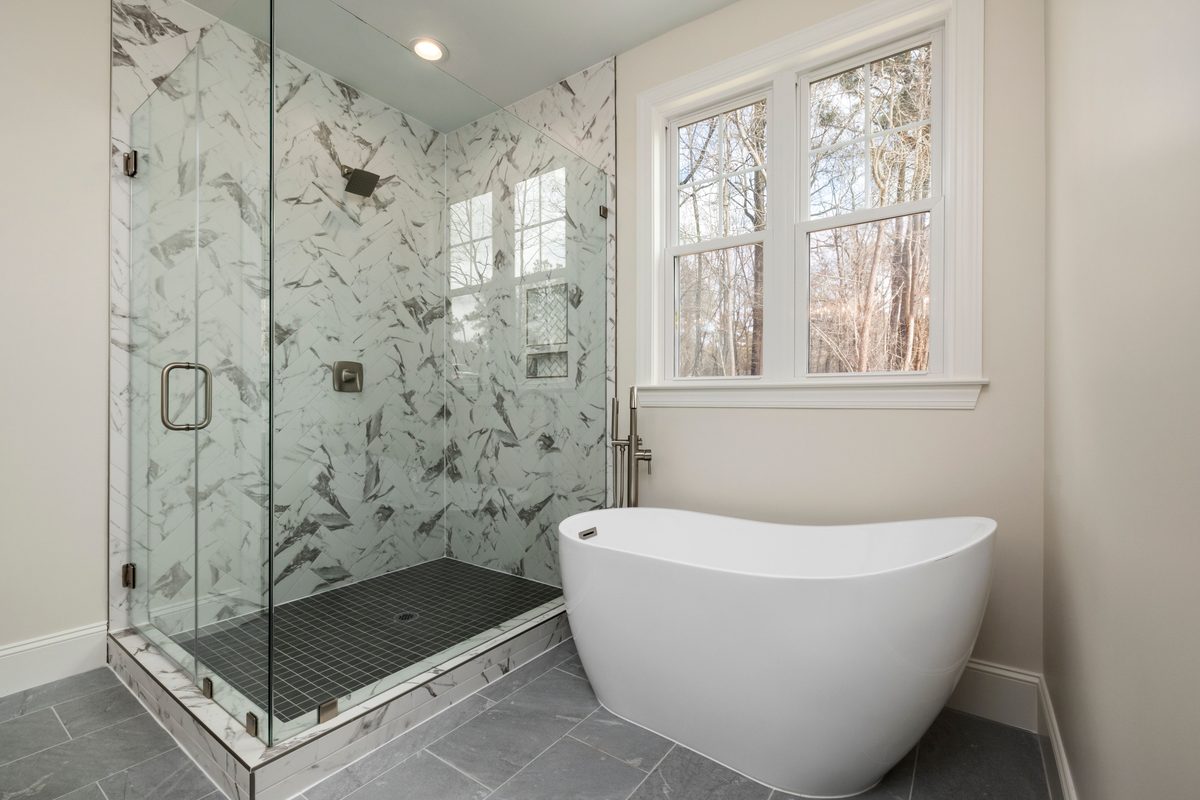
Selecting appropriate shower door glass thickness directly influences safety, structural integrity, and long-term performance. Incorrect thickness choices lead to installation failures, safety hazards, and unnecessary replacement costs. Understanding the relationship between glass thickness, framing requirements, and enclosure design helps homeowners make confident decisions that align with building codes and aesthetic preferences.
Shower door glass thickness ranges from 1/4 inch to 1/2 inch, with each option serving specific applications. Frameless installations demand thicker glass to support weight without metal framing. Budget constraints, bathroom size, and hardware compatibility factor into final thickness selection.
Shower door glass thickness measures the distance between two parallel surfaces of the glass panel. This measurement determines structural capacity, visual clarity, and required framing type. Thickness options include 1/4 inch (6mm), 3/8 inch (10mm), and 1/2 inch (12mm).
Glass thickness directly affects installation requirements, hardware compatibility, and safety compliance. Thicker glass provides greater stability for frameless designs but increases material and labor costs. Choosing the correct thickness prevents structural failures and ensures building code compliance.
Shower door glass thickness is expressed in imperial and metric units for manufacturing consistency. Three standard measurements are 1/4 inch (6mm), 3/8 inch (10mm), and 1/2 inch (12mm). Each thickness category corresponds to specific framing requirements and structural applications.
The measurement refers to the actual distance between the glass panel’s front and back surfaces. Manufacturing tolerances typically allow minor variations of plus or minus 0.5mm. These precise measurements ensure proper fit within hardware channels and framing systems.
Tempered glass is mandated by building codes for shower enclosures due to its safety properties. This bathroom safety glass is four to five times stronger than standard annealed glass. The tempering process creates surface compression, preventing large, dangerous fractures.
Tempered glass shatters into small, dull, pebble-like pieces rather than dangerous shards. This characteristic protects occupants from severe lacerations during accidental impacts. The combination of increased glass strength and controlled fracture patterns makes tempered glass essential for wet environments.
Frameless shower doors are shower enclosures without metal framing around the glass perimeter. Semi-framed shower doors have partial metal framing, while fully framed shower doors have complete metal framing around all edges. Framing type determines minimum thickness requirements for structural stability.
1/4 inch glass is restricted to fully framed shower doors only. This thin glass cannot be used for frameless applications because it lacks sufficient rigidity. Metal framing provides necessary structural support, preventing flexing and potential breakage.
Three primary glass thickness options serve different design requirements and budget levels. Each thickness provides distinct advantages depending on framing style and enclosure size. Material availability and manufacturing standards have established these three measurements as industry norms.
Thickness selection depends on enclosure dimensions, hardware type, and aesthetic preferences. Professional installers assess wall conditions, door width, and panel height before recommending appropriate thickness. Local building codes may establish minimum thickness requirements for specific applications.
1/4 inch (6mm) glass is restricted to fully framed shower doors only. This economical option reduces material costs for budget-conscious renovations using traditional framing systems. The thin profile requires continuous metal support around all edges.
1/4 inch glass requires structural support of metal framing to remain stable and safe. Without perimeter framing, this thickness cannot withstand installation stresses or daily usage forces. Attempting a frameless installation with 1/4 inch glass violates building codes and creates serious safety hazards.
3/8 inch (10mm) glass is the industry standard for frameless installations, balancing weight, strength, and transparency. This frameless glass thickness provides sufficient rigidity for most residential shower enclosures without excessive weight. Most frameless installations utilize this specification.
3/8 inch glass is thick enough to stand without metal framing yet light enough to not stress hinges and walls. Standard wall studs and typical mounting hardware accommodate this weight without reinforcement. This combination of structural adequacy and manageable weight makes this thickness universally applicable.
1/2 inch (12mm) glass is a premium choice for large walk-in showers with expansive panels. This durable shower glass provides superior stability and a substantial, architectural feel associated with luxury spa environments. High-end renovations frequently specify this thickness for maximum visual impact.
1/2 inch glass requires heavier-duty hinges and reinforced wall blocking due to increased weight. Additional structural preparation includes upgraded fasteners and potentially doubled wall studs behind mounting locations. The substantial weight demands careful planning for shower door installation to prevent future failures.
Glass thickness directly influences structural behavior, visual appearance, and installation complexity. Inadequate thickness for the chosen design style leads to flexing, hardware stress, and potential failure. Proper thickness selection ensures long-term stability and maintains intended aesthetic qualities.
Performance factors include panel deflection under force, hardware load distribution, and resistance to accidental impacts. Thicker glass reduces visible flexing when doors operate, creating a more solid feel. Weight differences between thickness options affect mounting requirements and wall preparation needs.
Insufficient glass thickness for frameless applications creates safety hazards, including panel collapse and hardware detachment. Undersized glass flexes excessively during normal use, stressing connection points and causing premature failure. Building inspectors reject installations not meeting minimum thickness requirements.
Inadequate wall reinforcement for heavy glass panels can lead to structural failure over time. Wall studs must support distributed loads from hinges and mounting brackets. Professional shower replacement projects include proper blocking installation during wall preparation.
Low-iron glass eliminates the greenish tint inherent in standard clear glass for superior optical clarity. Standard clear glass has a greenish tint that becomes more pronounced as thickness increases. This color cast results from iron oxide content in standard glass formulations.
Over 95% of consumers opt for low-iron glass when presented with the option. The ultra-clear appearance enhances tile and fixture visibility while creating a more open spatial feeling. Thicker glass amplifies greenish tint in standard formulations, making low-iron glass especially important for 1/2 inch installations.
Heavier glass panels require additional installers and specialized handling equipment to prevent breakage during positioning. A 1/2 inch panel weighs approximately 50% more than a comparable 3/8 inch panel. This weight difference demands modified installation techniques and extended labor time.
Precise measurements become more critical with thicker glass because correction opportunities decrease after fabrication. Manufacturing lead times increase for thicker glass due to specialized tempering requirements and handling procedures. Understanding shower replacement cost in Massachusetts 2026 helps homeowners budget for thickness-related expenses.
Quality shower glass production involves precise thermal treatments that transform standard glass into safety-rated materials. Manufacturing standards ensure consistent performance across thickness specifications and panel sizes. Third-party testing verifies finished products meet established safety benchmarks before distribution.
The tempering process creates permanent internal stresses, providing both strength and controlled fracture characteristics. Hardware components undergo separate manufacturing procedures to ensure corrosion resistance and long-term durability. Combined material quality determines the overall reliability of finished shower enclosures.
Glass heating begins when cut and polished glass is placed in a tempering furnace and heated to 600°C – 700°C (1112°F – 1292°F). The controlled heating cycle brings the glass to a precise temperature where the structure becomes malleable. Uniform heating prevents weak spots, causing uneven tempering.
Quenching occurs when glass moves to a quenching station, where high-pressure air jets rapidly cool the surface. Rapid cooling creates surface compression and internal tension through differential cooling rates between the surface and the core. This structural transformation produces glass significantly stronger than untreated material.
High-quality hardware is constructed from solid brass or stainless steel to resist moisture-related deterioration. These base metals provide structural strength and natural corrosion resistance for wet bathroom environments. Material selection significantly impacts hardware longevity and maintenance requirements.
Chrome electroplating begins when the base metal is cleaned and polished before submersion in chromic acid solution. Electrical current binds the chromium layer to the surface during electroplating. Matte black finishes are achieved through powder coating or specialized electroplating techniques, providing durable surfaces.
ANSI Z97.1 is the performance benchmark for safety glazing materials used in buildings nationwide. This standard specifies impact resistance testing and minimum performance criteria for various applications. Compliance ensures glass products protect occupants during accidental impacts.
CPSC 16 CFR 1201 establishes minimum federal safety requirements for architectural glazing materials in hazardous locations. SGCC Certification is an independent, third-party certification program involving constant monitoring and unannounced testing at manufacturing facilities. SGCC certification is non-mandatory; only basic code compliance is required for legal installation.
Market research reveals clear patterns in consumer choices regarding framing styles, glass treatments, and thickness specifications. Demographic factors, including age, income level, and renovation budget, significantly influence final product selection. Understanding these trends helps manufacturers and retailers stock appropriate inventory levels.
Consumer education about thickness benefits has shifted preferences toward frameless designs requiring thicker glass specifications. Price sensitivity remains a factor, but quality considerations increasingly drive purchasing decisions. The relationship between demographic groups and spending patterns provides insight into market segmentation.
84% of renovating homeowners choose to install a shower with a door rather than a curtain alternative. Among door installations, 75% choose frameless designs for contemporary aesthetics. This overwhelming preference drives demand for 3/8 inch and 1/2 inch glass specifications.
18% choose semi-framed options, balancing cost savings with improved visual appearance compared to fully framed units. 7% choose fully framed doors, typically in budget renovations or replacement-in-kind projects. Modern bathroom remodeling services reflect these preferences in standard product offerings.
27% of homeowners select frosted or acid-etched glass for master and secondary bathrooms requiring privacy. Frosted or acid-etched glass provides enhanced privacy and hides fingerprints and soap residue more effectively than clear glass. The textured surface diffuses light while maintaining brightness levels.
Clear tempered glass remains the majority choice for homeowners prioritizing spatial openness and tile showcase opportunities. Low-iron clear glass commands premium pricing but delivers superior visual clarity for high-end installations. Glass treatment selection interacts with thickness choices, as treatments can mask greenish tint in standard glass.
The Generation X median overall project spend for Generation X is $25,000 for comprehensive bathroom renovations, including premium glass specifications. Gen X and Baby Boomers’ median bathroom renovation spend is $15,000, supporting mid-range to premium glass thickness choices. These demographics typically select 3/8 inch or 1/2 inch glass for projects.
Millennials’ median bathroom renovation spend is $12,000, often necessitating budget-conscious thickness selections without sacrificing frameless designs. Seniors’ median bathroom renovation spend is $8,500, frequently prioritizing safety features over premium thickness specifications. Top 10% Gen X homeowners allocate $180,000 for major remodels, including custom 1/2 inch glass installations with bathroom remodel financing options.
Shower door pricing varies significantly based on glass thickness, framing style, and customization level. Material costs increase proportionally with thickness due to higher raw material usage and specialized tempering requirements. Installation labor costs also rise with thickness due to additional handling complexity and reinforcement needs.
Understanding the complete cost structure helps homeowners establish realistic budgets for renovation projects. Price ranges reflect both material expenses and professional installation labor for code-compliant installations. Regional variations and contractor experience levels influence final project costs beyond base material pricing.
Budget segment price range spans $161 – $1,200 for basic framed configurations with 1/4 inch glass. The budget segment includes entry-level framed glass doors with standard off-the-shelf sizes and limited customization options. These installations prioritize functionality and code compliance over premium aesthetics.
The mid-range segment price range extends from $1,200 – $2,000 for semi-frameless designs using 3/8 inch glass. The mid-range segment includes semi-frameless doors with improved hardware and basic custom sizing capabilities. Premium segment price range begins at $2,000 and extends beyond $5,516 for fully custom frameless installations.
Budget segment material cost ranges from $200 – $600, while budget segment installation cost adds $900 – $1,000. Limited material cost reflects standardized sizing and thinner glass specifications. Installation remains labor-intensive regardless of material cost, maintaining baseline service fees.
Mid-range segment material cost increases to $400 – $1,200 due to thicker glass and upgraded hardware components. Mid-range segment installation cost rises to $1,200 – $1,800, reflecting increased complexity and precision requirements. Premium segment material cost reaches $700 – $2,000+ for thick glass, specialized hardware, and custom fabrication expenses.
Custom enclosures requiring unique shapes, specialized hardware, or intricate designs significantly drive up costs beyond standard configurations. Non-rectangular layouts demand complex measurements and custom glass cutting that increases both material waste and fabrication time. The premium segment includes fully frameless custom enclosures with specialized hardware finishes and architectural glass specifications.
Complex installations may require structural modifications, including wall reinforcement, blocking installation, and waterproofing upgrades. A professional project management through the bathroom remodel process step-by-step guide helps control costs and prevent budget overruns. Custom thickness combinations and specialty glass treatments add 15-30% to baseline project costs.
Hardware selection must account for glass weight, mounting requirements, and aesthetic coordination with overall bathroom design. Thicker glass demands heavier-duty hinges, handles, and mounting brackets engineered for increased load capacity. Finish coordination between glass treatment and hardware creates cohesive design statements, elevating bathroom aesthetics.
The interplay between glass thickness and hardware style influences both installation complexity and long-term performance. Undersized hardware on thick glass leads to premature failure and potential safety hazards. Proper pairing ensures all system components work together to provide reliable operation throughout the enclosure’s lifespan.
32% of consumers choose brushed nickel hardware finish for its versatility across traditional and contemporary designs. 22% choose chrome hardware finish for classic, reflective appeal, complementing clear glass and bright bathrooms. Both finishes pair well with any glass thickness when hardware is properly sized.
18% choose matte black hardware finish for dramatic contrast against clear glass in contemporary bathrooms. 14% choose brushed gold/brass hardware finish for warm, sophisticated aesthetics in transitional spaces. Hardware finishes act as bathroom jewelry, defining style direction and coordinating with faucets and accessories.
Brushed nickel has a modern, versatile aesthetic and excellent resistance to water spots that plague chrome finishes. The brushed texture hides minor scratches and fingerprints better than polished surfaces. Durability becomes especially important when hardware supports heavy 1/2 inch glass panels through frequent operation cycles.
Heavy-duty hinges for 1/2 inch glass feature reinforced barrels and oversized mounting plates, distributing weight across larger wall areas. Standard hinges designed for 3/8 inch glass fail prematurely when used with thicker panels. Working with experienced bathroom remodelers near me ensures proper hardware specification for the chosen glass thickness.
Matte black and brushed gold/brass are growing rapidly in contemporary and transitional bathroom designs across all demographics. These trending finishes create striking visual contrast against clear glass while maintaining clean, minimalist aesthetics. Designers increasingly specify thicker glass with bold hardware finishes to establish focal points.
Minimalist designs benefit from thicker glass because substantial material presence reduces reliance on decorative framing elements. The glass itself becomes the design feature rather than the surrounding hardware components. This approach aligns with current preferences for open, spa-like bathroom environments, prioritizing natural materials and clean lines.
Choosing appropriate shower door glass thickness requires balancing safety requirements, design preferences, and budget constraints. Frameless installations demand 3/8 inch minimum thickness, while 1/2 inch glass provides premium stability for large enclosures. Framed designs accommodate 1/4 inch glass but offer limited aesthetic flexibility compared to contemporary frameless styles.
Professional assessment of wall conditions, enclosure dimensions, and local building codes ensures compliant installations that perform reliably. Glass thickness decisions affect hardware requirements, installation complexity, and long-term maintenance needs. Investing in appropriate thickness prevents future problems and maintains property value through quality bathroom features.
Working with experienced professionals helps homeowners navigate thickness options while understanding cost implications and performance differences. Quality installations using properly specified glass thickness provide decades of safe, reliable service. Patriot Bath Remodeling brings over 50 years of combined team experience to help Massachusetts, Rhode Island, and Southern New Hampshire homeowners select and install the right glass thickness for their unique bathroom requirements.
Picking the correct glass thickness is just one part of a successful shower upgrade. At Patriot Bath Remodeling, our team handles the details for you, from glass selection and framing to safe, code-compliant installation. We help you balance safety, durability, and style so your new shower looks great and lasts for years. Get a free estimate today and let’s bring your bathroom vision to life.