Monthly Payments as Low as $99! | 1/2 OFF Labor on second Project
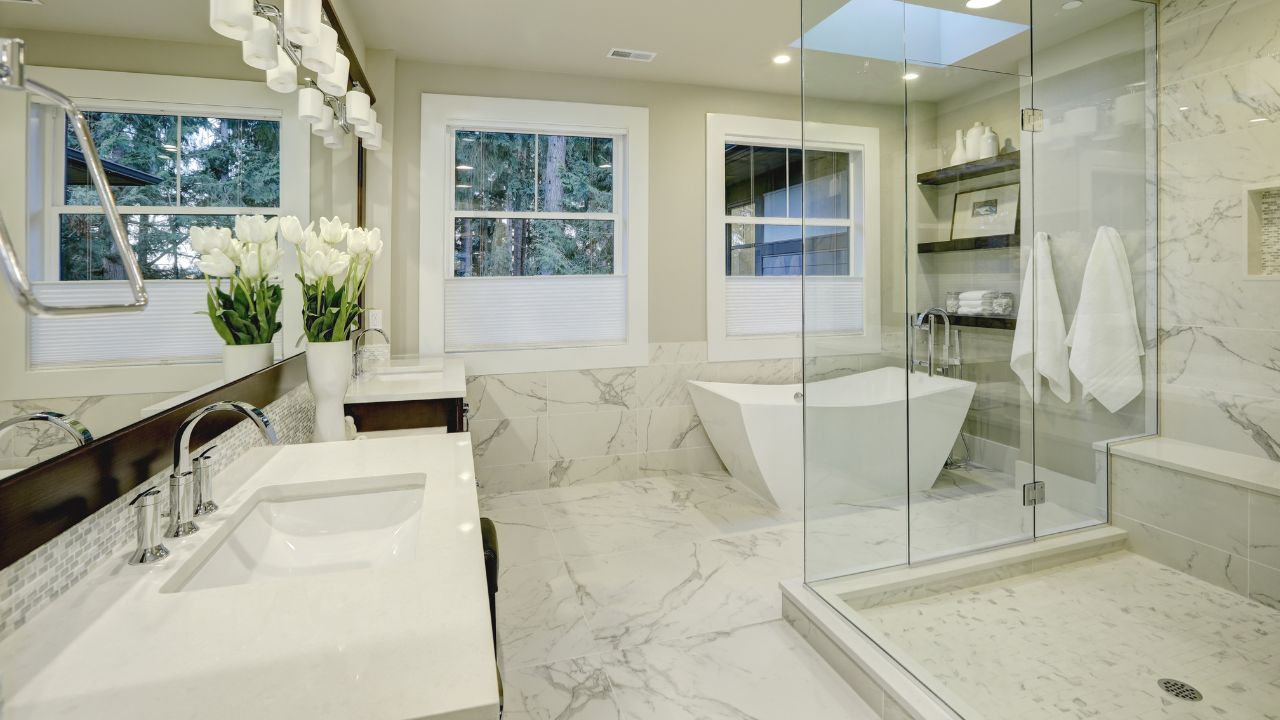
Choosing between a walk-in shower and a standard enclosure shapes daily comfort and long-term property value. Both options serve distinct functional needs, appeal to different buyer demographics, and vary significantly in upfront cost and maintenance requirements. Understanding these differences ensures homeowners make informed decisions aligned with their budget, space constraints, and resale goals.
The walk-in shower vs standard enclosure debate reflects broader trends in bathroom design, accessibility priorities, and consumer lifestyle preferences. Walk-in showers dominate the luxury remodeling market with seamless aesthetics and universal design features, while standard enclosures remain practical solutions for budget-conscious homeowners. Regional preferences, household demographics, and bathroom size further influence which fixture type delivers optimal satisfaction and return on investment.
Key Takeaways
Walk-in and standard enclosures represent two distinct approaches to bathroom showering spaces. Walk-in showers feature open, curbless designs that emphasize accessibility and modern aesthetics, while standard enclosures rely on prefabricated systems with defined barriers and doors.
Walk-in showers are fully open spaces without traditional doors, featuring seamless tile or solid surface construction. These fixtures include zero-threshold entry points, optional frameless glass panels, sloped flooring for drainage, and integrated elements like built-in benches and recessed niches.
Premium walk-in shower features enhance both functionality and luxury appeal for homeowners. Rainfall showerheads, strategically positioned grab bars, and low-curb entries combine to create spa-like environments that accommodate all mobility levels.
Standard enclosures are prefabricated systems featuring defined bases, wall surrounds, and doors in alcove or corner configurations. These units include pre-formed shower pans, fiberglass or acrylic wall surrounds, and sliding, hinged, or pivot doors that contain water effectively.
Standard shower features prioritize practical water containment and straightforward installation over custom aesthetics. The enclosed design limits water escape while smooth acrylic surfaces resist mold accumulation and simplify routine cleaning tasks.
Walk-in tub combos merge low-entry tubs with watertight doors and integrated shower functionality for aging-in-place solutions. Wet rooms create fully waterproofed spaces where showers integrate into open floor plans without physical barriers or traditional enclosures.
Walk-in tub combos cost $8,630–$12,000+, targeting seniors prioritizing safety and therapeutic features. Wet rooms range from $15,000–$30,000+, appealing to luxury buyers seeking ultimate accessibility and contemporary European-inspired design.
Walk-in showers and standard enclosures serve different functional priorities through their construction, maintenance demands, and aesthetic presentations. Understanding these operational differences helps homeowners align fixture selection with daily use patterns and household needs.
Walk-in showers eliminate physical barriers through curbless entries, accommodating wheelchairs and walkers without modification. Standard enclosures require users to step over raised thresholds, creating potential obstacles for individuals with limited mobility.
Walk-in showers visually expand bathroom space through seamless tile transitions and minimal glass partitions. Standard enclosures create defined shower zones with opaque or frosted doors that fragment visual flow and make small bathrooms feel more confined.
Walk-in showers require precise sloped flooring and professional waterproofing to prevent water migration into adjacent bathroom areas. Standard enclosures contain water through raised pans and sealed doors, offering superior containment with minimal installation complexity.
Walk-in showers demand less frequent cleaning due to fewer grout lines and the absence of shower curtains or door tracks. Standard enclosures require regular attention to glass doors, metal frames, and door tracks where mineral deposits and soap scum accumulate quickly.
Walk-in shower installations span $4,000–$7,000 for budget prefabricated units, $8,000–$13,000 for mid-range ceramic tile designs with frameless glass, and $14,000–$20,000+ for premium custom installations. Standard enclosures range from $300–$1,000 for basic fiberglass units, $1,000–$3,000 for quality acrylic kits, and $3,000–$8,500 for semi-custom options with premium glass doors.
Bathtub installations provide additional context, costing $500–$2,000 for standard acrylic alcove models, $2,000–$4,000 for mid-range freestanding acrylic designs, and $5,000–$15,000+ for luxury stone resin or cast iron options. This bathroom renovation comparison demonstrates how walk-in showers command significantly higher upfront investment than standard enclosures across all price tiers.
Consumer preferences for walk-in showers versus standard enclosures vary significantly across demographic groups, geographic regions, and household priorities. Understanding these patterns helps homeowners predict which fixture type will appeal to future buyers when resale becomes a consideration.
Millennials aged 28–43 prefer walk-in showers at 65% adoption rates, prioritizing contemporary aesthetics and water-efficient spa features. Generation X homeowners aged 44–59 show balanced preferences with 48% favoring walk-in showers and 38% selecting bathtubs based on practical functionality and resale value considerations.
Baby Boomers aged 60+ maintain 52% preference for bathtubs while increasingly installing walk-in showers at 35% adoption rates. This aging-in-place demographic values walk-in shower advantages like grab bars, low-curb entries, and seated showering options that accommodate declining mobility without institutional aesthetics.
Northeast homeowners favor bathtubs at 45% compared to 38% for walk-in showers due to colder climates and older housing stock. Southeast residents show balanced 42% preferences for both walk-in showers and bathtubs, while West Coast homeowners strongly prefer walk-in showers at 58% versus 28% for bathtubs.
Urban settings demonstrate 68% preference for space-saving showers that maximize limited square footage in compact bathrooms. Rural homeowners maintain 48% bathtub preference, leveraging larger bathroom footprints to accommodate both full bathtubs and separate shower enclosures.
Cost considerations influence 28% of bathroom fixture decisions, making it the primary factor in purchasing choices. Style and aesthetics drive 24% of selections, while resale value impacts 20%, accessibility concerns affect 18%, and maintenance requirements influence 10% of homeowners.
Housing affordability was not a deciding factor for 89% of consumers surveyed about bathroom remodeling decisions. This data indicates homeowners leverage built-up home equity to fund bathroom renovations without significant financial constraints limiting fixture selection.
Each shower type delivers distinct advantages while imposing specific limitations that affect daily use and long-term satisfaction. Weighing these tradeoffs against household priorities ensures homeowners select fixtures aligned with their functional needs and budget constraints.
Walk-in showers provide superior accessibility for all mobility levels through zero-threshold entries and optional seated showering configurations. Their modern minimalist aesthetic visually expands bathroom space while eliminating mold-attracting shower curtains and hard-to-clean door tracks.
Walk-in shower advantages include highly customizable layouts that accommodate any bathroom configuration and architectural style. Walk-in shower remodels allow homeowners to integrate premium fixtures, multiple showerheads, and built-in storage solutions that standard enclosures cannot accommodate.
Standard enclosures deliver excellent water containment through raised pans and sealed doors without requiring complex sloped flooring. Quick installation timelines of 1–3 days minimize household disruption compared to week-long walk-in shower construction projects.
Cost-effectiveness makes standard enclosures ideal for secondary bathrooms, rental properties, and homes in budget-conscious markets where luxury fixtures provide minimal resale benefit. Smooth fiberglass and acrylic surfaces resist mold growth and simplify routine cleaning without specialized waterproofing maintenance.
Walk-in showers have potential water containment issues without proper design, allowing moisture to escape into adjacent bathroom areas. Open configurations allow heat to escape, making showers feel colder and less comfortable during the winter months in northern climates.
Walk-in showers require extensive waterproofing to prevent mold and structural damage beneath tile surfaces and inside wall cavities. Higher initial costs compared to standard enclosures can strain renovation budgets, while standard enclosures have limited customization options due to standardized sizing that may not fit all bathroom layouts perfectly.
Installation complexity, timeline duration, and customization flexibility differ substantially between walk-in showers and standard enclosures. These factors directly impact project budgets, household disruption periods, and the ability to achieve desired aesthetic outcomes.
Walk-in shower installation begins with demolition of existing fixtures, followed by comprehensive waterproofing of floors, walls, and curb areas. Professional contractors then install mortar beds or pre-sloped shower pans, apply multiple waterproofing membrane layers, and complete custom tile work before installing frameless glass panels.
Shower replacement projects involving walk-in conversions typically require 5–10 days for completion, depending on tile complexity and custom features. Proper execution demands licensed contractors experienced in waterproofing techniques, as improper installation creates costly water damage requiring extensive repairs and remediation.
Standard enclosure installation typically takes 1–3 days from demolition through final fixture connection and testing. Prefabricated units arrive ready for immediate placement, requiring only basic plumbing connections, securing to wall studs, and sealing joints with silicone caulk.
Limited customization options restrict standard enclosures to manufacturer-provided sizes, colors, and door configurations without modification flexibility. However, shower door installation upgrades can replace basic sliding doors with premium frameless glass options that enhance aesthetics without complete enclosure replacement.
Walk-in showers accommodate extensive customization, including multiple showerhead configurations, built-in benches, recessed niches, and accent tile designs. Homeowners select tile materials, grout colors, glass panel heights, and fixture finishes that perfectly match their design vision and functional requirements.
Standard enclosures offer limited customization primarily through upgraded glass door options, enhanced showerhead selections, and decorative wall surround patterns. Small bathroom remodels often utilize standard enclosures with premium doors to balance budget constraints against aesthetic improvements in compact spaces.
Bathroom dimensions, layout configurations, and spatial relationships between fixtures significantly impact which shower type functions optimally. Understanding space requirements prevents selecting fixtures that overwhelm small bathrooms or underutilize larger spaces.
Walk-in showers eliminate space consumed by swinging doors and bulky enclosure frames in compact bathrooms. Seamless floor transitions and minimal glass barriers create visual continuity that makes 5×8-foot bathrooms appear larger and less cramped than identical spaces with standard enclosures.
Curbless entries allow small bathroom remodels to maximize usable floor area without dead zones beside raised shower pans. Urban homeowners leverage walk-in showers to create functional bathing spaces within 30–36 square foot footprints that cannot accommodate traditional bathtub-shower combinations.
Standard enclosures fit efficiently into alcove spaces and corners measuring 32×32 inches or 36×36 inches minimum. Larger bathrooms accommodate 48×36-inch enclosures that provide comfortable showering space without consuming excessive square footage needed for vanities and storage.
Prefabricated sizing limits standard enclosures in irregularly shaped bathrooms, where custom dimensions would optimize space utilization. Bathrooms smaller than 5×7 feet often benefit from corner standard enclosures that maximize remaining floor area for toilets and vanities.
Single-wall bathroom layouts favor standard alcove enclosures that utilize existing plumbing locations without extensive pipe relocation costs. L-shaped and galley layouts accommodate walk-in showers positioned to create visual focal points while maintaining efficient traffic flow patterns.
Primary bathrooms exceeding 100 square feet benefit from walk-in showers that anchor dedicated wet zones separate from vanity and toilet areas. Bathroom remodeling services help homeowners evaluate layout configurations to determine which shower type integrates optimally with existing architectural features and fixture placement requirements.
Fixture selection significantly impacts buyer perception, market appeal, and ultimate sale prices when homeowners list their properties. Understanding resale implications prevents costly renovations that fail to attract target buyer demographics or recoup invested capital.
Midrange bathroom remodels recoup 60%–70% of costs at resale across all fixture types and market segments. Walk-in showers yield 70%–80% ROI in primary bathrooms, outperforming standard enclosures by attracting buyers seeking modern luxury and accessibility features.
Walk-in showers achieve Joy Scores of 9.8/10 among homeowners, indicating exceptional satisfaction levels that influence future purchase decisions. Standard enclosures offer 60%–70% ROI, positioning them as practical upgrades for secondary bathrooms where premium fixtures provide diminishing returns.
Luxury home buyers expect walk-in showers in primary bathrooms as standard features, perceiving their absence as outdated or budget construction. Mid-market buyers appreciate walk-in showers but prioritize overall bathroom functionality, storage capacity, and maintenance simplicity over high-end shower features alone.
First-time buyers and families with children value practical standard enclosures in secondary bathrooms where durability and cost-effectiveness outweigh aesthetic considerations. Real estate professionals recommend that homes maintain at least one bathtub to preserve broad market appeal across diverse buyer demographics.
Primary bathrooms should feature modern walk-in showers incorporating accessibility elements that appeal to aging-in-place buyers and luxury seekers. Secondary bathrooms benefit from cost-effective standard enclosures or bathtub-shower combinations that serve family needs without excessive investment.
Guest bathrooms and basement facilities function well with budget-friendly standard enclosures that minimize renovation costs while maintaining functional showering capacity. Following the bathroom remodel process step-by-step ensures proper planning, accurate budgeting, and fixture selection aligned with specific bathroom purposes and target buyer expectations.
The United States bathroom remodeling market currently reaches approximately $68 billion in annual value. Global walk-in shower markets specifically achieved $14.5 billion valuations in 2026, growing substantially from $8.2 billion in 2021.
Walk-in shower markets project 12.1% compound annual growth rates over the next five years, reflecting strong consumer demand. Walk-in showers hold 45% market share across all bathroom fixture categories, demonstrating their dominance in contemporary remodeling projects.
Homeowners selecting between walk-in showers and standard enclosures must balance initial costs against long-term satisfaction and resale implications. Choosing the right walk-in shower for your space requires evaluating household mobility needs, budget constraints, and design preferences that align with regional buyer expectations and individual lifestyle priorities.
Walk-in showers deliver superior accessibility, modern aesthetics, and strong resale returns for homeowners investing in primary bathroom upgrades. Standard enclosures remain practical solutions for budget-conscious projects, secondary bathrooms, and situations where quick installation timelines and straightforward maintenance outweigh luxury considerations.
Patriot Bath Remodeling helps New England homeowners throughout Massachusetts, Rhode Island, and Southern New Hampshire make informed fixture selections that balance functionality, aesthetics, and budget realities. Their licensed team provides transparent pricing, quality craftsmanship, and flexible financing options starting at $99 per month to make bathroom renovations accessible for families seeking lasting value.
Whether a walk-in shower or a standard enclosure fits your home best, one thing is certain: the right installation makes all the difference. At Patriot Bath Remodeling, our team brings over 50 years of combined experience to every project across Massachusetts, Rhode Island, and New Hampshire. We work with your budget, your space, and your goals to deliver a bathroom you will love using every day. Contact Patriot Bath Remodeling today and get your free, no-obligation estimate and take the first step toward a shower that works better for your life.