Monthly Payments as Low as $99! | 1/2 OFF Labor on second Project
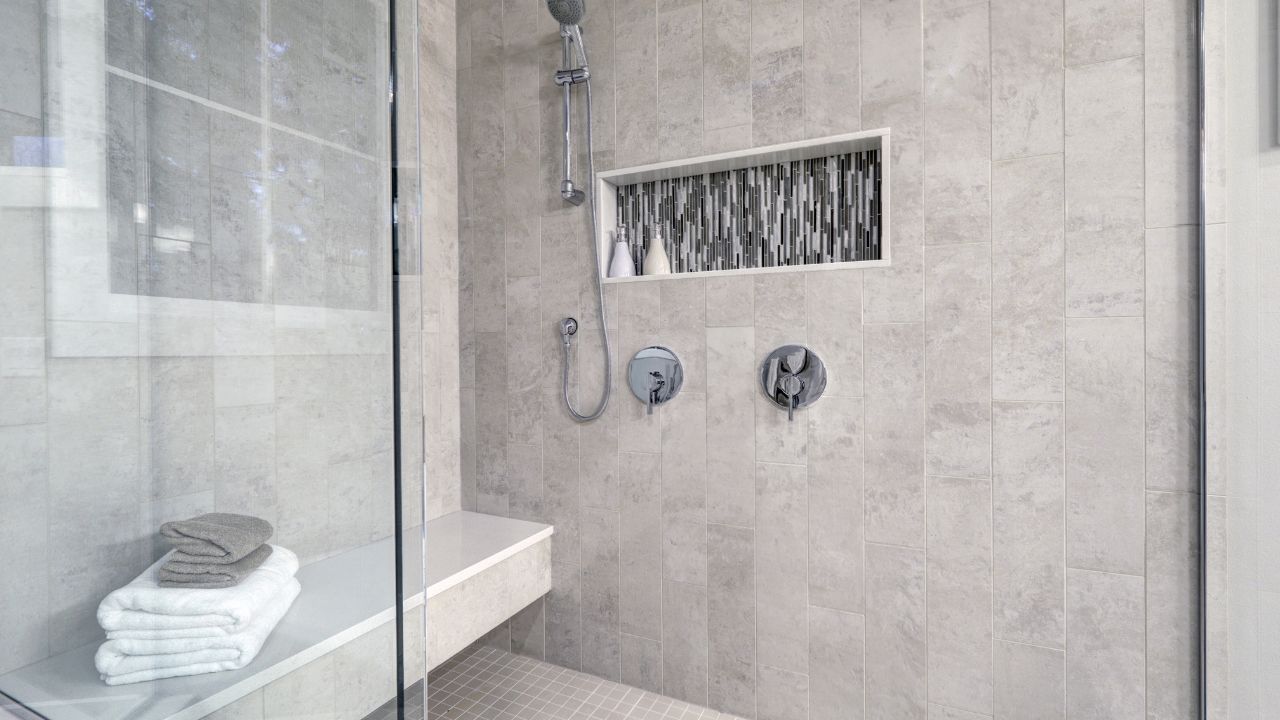
Walk-in shower cost varies significantly based on design choices, materials, and installation complexity. Homeowners typically spend between $4,500 and $15,000 on complete installations, with the national average reaching approximately $9,500.
Understanding expense categories and product options helps establish a realistic bathroom remodel budget. This guide examines pricing structures, installation requirements, and market trends to support informed decision-making.
Key Takeaways
Walk-in showers represent modern bathroom fixtures designed for easy access and streamlined aesthetics. The market comprises frameless glass enclosures, tiled showers, prefabricated units, curbless showers, and wet rooms.
Each type serves distinct consumer needs from budget-conscious installations to luxury transformations. Product selection influences both upfront costs and long-term maintenance requirements.
Frameless glass enclosures utilize 3/8″ to 1/2″ tempered safety glass with minimal hardware. This design creates a spacious feel while offering high customization potential. The minimalist aesthetic significantly enhances home value and simplifies cleaning routines. Premium positioning makes frameless options the most desired upgrade choice.
Prefabricated units are pre-molded acrylic, fiberglass, or composite materials designed for quick assembly. These factory-built systems ensure consistent quality control and rapid installation timelines.
Tiled showers require regular grout maintenance and carry a higher water damage potential if improperly sealed. Prefabricated units offer limited design customization compared to tile, but reduce labor costs substantially.
Curbless showers feature continuous flooring with no threshold, requiring specialized drainage systems. Complex installation demands structural modifications, including subfloor preparation for proper water management.
Wet rooms have entire bathroom spaces waterproofed and functioning as shower door installation areas. These designs require significant space allocation and comprehensive room-wide waterproofing protocols.
Multiple variables determine final walk-in shower price estimates for any given project. Material selection, design complexity, and professional installation services combine to establish total expenses.
Accessibility features and structural modifications add substantial costs to baseline estimates. Geographic location and seasonal demand also influence regional pricing variations.
Material choices span from affordable acrylic prefabricated bases to premium natural stone tiles. Glass thickness, hardware quality, and fixture finishes create significant price differentials.
Custom design elements, including built-in seating, multiple showerheads, and decorative niches, increase labor requirements. Pattern complexity and tile size directly affect installation time and costs.
Frameless glass requires professional installation and longer fabrication lead times for precise measurements. Licensed contractors ensure code compliance for plumbing modifications and waterproofing systems. Professional expertise prevents costly water damage from improper membrane installation or inadequate drainage. Labor typically represents 30-40% of total project costs for custom installations.
Installing the best accessible bathroom features for seniors adds $2,000-$5,000 to baseline costs. Curbless entry requires extensive subfloor modification and specialized linear drain systems. Grab bar installation, non-slip surfaces, and adjustable showerheads address mobility limitations. These modifications often necessitate structural reinforcement and additional waterproofing layers.
Consumer behavior increasingly prioritizes long-term value over short-term aesthetic trends. Current preferences emphasize accessibility, sustainability, and personal comfort rather than immediate resale considerations.
Market research reveals distinct patterns in material selection and feature prioritization. Demographic factors, including age and household income, strongly influence purchasing decisions.
78% of homeowners select frameless glass shower doors during renovations for their modern appearance. Only 22% favor fully framed or semi-framed options. This overwhelming preference drives substantial growth in the shower glass door market. The minimalist design creates visual spaciousness while maintaining practical functionality.
84% of homeowners choose sustainable features during bathroom renovations for long-term cost effectiveness. 69% cite operational savings rather than purely environmental concerns as primary motivators. 64% address special needs during renovations, with 46% specifically citing aging household member requirements. Planning for aging-in-place remodeling reduces future modification expenses.
Generation X reports a median renovation spend of $25,000, surpassing Baby Boomers at $24,000. Millennials allocate approximately $20,000 for typical bathroom projects.
Baby Boomers comprise 59% of renovating homeowners, while Gen X accounts for 27%. Millennial purchasing power has doubled since 2020, driving technology integration demands.
Project timing significantly affects contractor availability, material costs, and installation conditions. Seasonal patterns influence both pricing structures and completion schedules.
Planning renovations during optimal periods can reduce expenses and minimize household disruption. Weather considerations and contractor workload fluctuate throughout the calendar year.
Spring initiates peak renovation season due to favorable weather and psychological renewal associations. Summer accommodates extensive remodels when families schedule vacations away from home. Winter often presents the most cost-effective opportunities as contractor demand decreases. Weather can complicate logistics during winter renovations but labor rates may decrease.
Prefabricated installation requires 1-3 days after product delivery and site preparation. Frameless glass installation takes 2-4 hours, and 5-7 business days for custom fabrication.
Custom tiled or curbless showers demand 3-4 weeks total for comprehensive completion. The bathroom remodel process step-by-step guide includes demolition, plumbing, waterproofing, tile setting, and curing periods.
Multi-step waterproofing uses moisture-resistant backer boards, liquid or sheet membranes, and specialized sealants. Professional systems like Schluter KERDI ensure absolute watertight integrity before tile application.
Mandatory flood testing involves plugging drains and filling basements with water for 24 hours. Critical waterproofing requirements for curbless designs prevent structural damage and mold growth.
Understanding expense categories helps homeowners establish realistic budgets and identify potential savings. Installation costs are divided into materials, labor, plumbing modifications, and waterproofing systems. Hidden expenses, including demolition and structural modifications, often surprise unprepared homeowners. Comprehensive planning accounts for all cost components before project initiation.
Shower base costs range from $800-$1,800 depending on material quality and size specifications. Wall materials, including tile or panels, typically cost $1,500-$3,500 for standard installations.
Glass enclosures and doors range from $1,200-$3,000 based on thickness and hardware selection. Plumbing adjustments cost $600-$1,500, while labor and waterproofing services require $2,000-$4,000.
Frameless glass installations cost $800-$3,500+ depending on configuration and glass quality. Tiled walk-in showers range from $3,000-$15,000+ based on material selection and design complexity.
Prefabricated units offer the most affordable option at $1,500-$5,000 for complete systems. Curbless showers require $6,000-$15,000+, while wet rooms demand $10,000-$25,000+ investments.
Demolition and removal services cost $500-$1,500 for existing fixture disposal and site preparation. Structural modifications for curbless installations may require additional engineering consultation and permits.
Avoiding 7 costly bathroom remodel mistakes prevents budget overruns. Plumbing relocations, electrical upgrades, and ventilation improvements add unexpected expenses.
Major manufacturers compete across premium, mid-range, and budget market segments with distinct positioning strategies. Brand reputation significantly influences consumer purchasing decisions and installation costs.
Global market expansion reflects increasing demand for modern bathroom fixtures and accessibility features. Regional preferences and design trends drive product development and marketing approaches.
Kohler positions itself in the premium segment, emphasizing luxury fixtures and smart technology integration. Moen targets the mid-to-premium market, focusing on reliability and innovative water control systems.
Delta competes strongly in the mid-range segment, offering accessible pricing with advanced features. TOTO holds approximately 10% global market share in prefabricated units.
The global walk-in shower market reached a $7.2 billion valuation in 2024. Projections indicate $12.4 billion by 2033, representing a 5.5% compound annual growth rate. North America holds 41.6% market share valued at $3.0 billion in 2024. Europe represents a $2.0 billion market with a strong emphasis on minimalist design aesthetics.
Wet rooms represent 12.5% of primary bathroom renovations, reflecting European influence on American design. Curbless showers continue gaining popularity, driven by accessibility awareness and aging demographics.
Smart technology integration, including digital temperature controls and voice-activated features, appeals to younger homeowners. Comparing tub-to-shower conversion vs full bathroom remodel options helps prioritize renovation investments.
Successful renovations balance immediate needs with long-term value and functionality requirements. Careful planning prevents costly modifications and ensures satisfaction with final results.
Professional consultation helps identify optimal solutions within established budget parameters. Understanding personal priorities guides material selection and design decisions.
75% of homeowners focus renovation decisions on personal comfort rather than resale value considerations. This shift reflects longer home ownership timelines and changing market dynamics.
Accessibility features address current mobility needs while preparing for future physical limitations. Sustainable materials reduce long-term maintenance costs and environmental impact.
88% of homeowners rely on professional assistance for bathroom renovations due to technical complexity. Licensed contractors ensure code compliance for plumbing, electrical, and waterproofing systems.
Professional installation prevents water damage from improper membrane application or inadequate drainage. Experienced teams complete projects efficiently while minimizing household disruption.
National average walk-in shower installation costs reach $9,500 for standard configurations. Most homeowners allocate between $4,500 and $15,000, depending on material selection and design complexity.
Transparent pricing and flexible financing options address budget concerns for middle-income families. Quality guarantees and comprehensive warranties provide long-term value protection.
Understanding walk-in shower costs requires analyzing material options, installation requirements, and market positioning. Homeowners benefit from comprehensive research that balances immediate budget constraints with long-term value considerations.
Market growth projections indicate sustained demand for accessible, modern bathroom fixtures across all price segments. Professional installation ensures proper waterproofing and code compliance while maximizing investment returns.
Regional expertise matters significantly when selecting contractors for complex bathroom renovations. Patriot Bath Remodeling serves homeowners throughout Massachusetts, Rhode Island, and Southern New Hampshire with over 50 years of combined team experience.
You now know what goes into a walk-in shower installation, from waterproofing and timelines to materials and costs. The next step is finding a team you can trust to get it done properly.
At Patriot Bath Remodeling, we bring over 50 years of combined experience to every bathroom project across South Shore Massachusetts, Greater Boston, Rhode Island, and New Hampshire. Whether you want a frameless glass enclosure, a curbless design for aging in place, or a full custom tile shower, our team handles every phase from planning to final installation.
We offer free, no-obligation estimates, flexible financing with monthly payments as low as $99, and a price match guarantee so you get quality craftsmanship at a price that works for your budget. Ready to transform your bathroom with a walk-in shower remodel? Get a free, no-obligation estimate to explore options that fit your budget and lifestyle needs.