Monthly Payments as Low as $99! | 1/2 OFF Labor on second Project
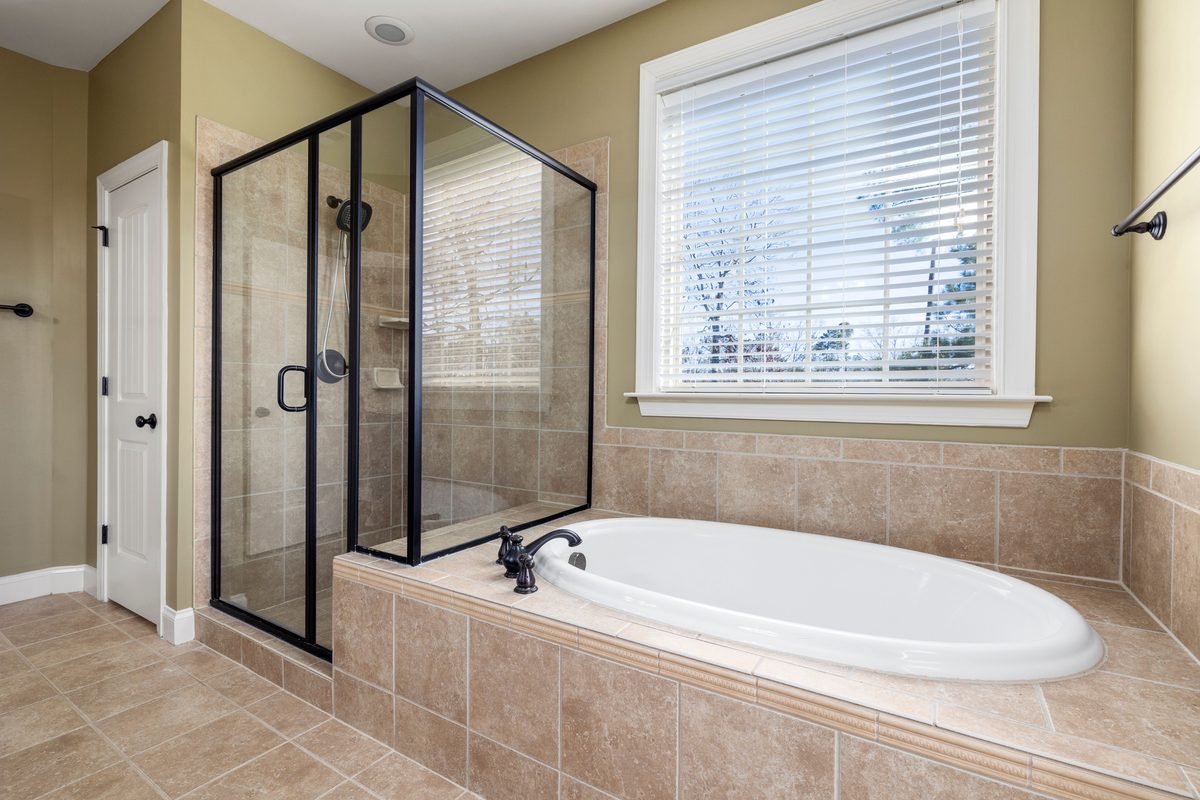
Shower surround materials determine the durability, maintenance requirements, and appearance of bathroom wall installations. Choosing the right shower wall material affects both upfront costs and long-term satisfaction with your shower space. Understanding the full range of shower materials helps homeowners balance budget constraints with functional and aesthetic priorities. Massachusetts buyers face unique considerations, including high labor rates and strong professional hiring preferences.
Shower surround materials provide waterproof protection while defining the visual character of the shower space. The right material choice reduces maintenance burden and extends the lifespan of the installation.
Shower surrounds are wall panels that cover shower walls as an alternative to tile. These shower panels create a waterproof barrier while offering faster installation than traditional tile methods, and they pair well with glass shower walls when homeowners want to define the wet area without enclosing the full space.
FRP stands for fiber-reinforced plastic panels designed for moisture resistance and quick installation. Solid surface refers to seamless, non-porous composite panels like cultured marble or cultured granite. PVC composite panels are thick, waterproof composite sheets with integrated trim systems for streamlined assembly.
Panel systems win on faster installation, fewer grout lines, lower maintenance, and predictable labor costs. Tile leads in design flexibility and premium appearance, making it the aspirational choice for most buyers. When speed, maintenance, and labor certainty are deciding factors, shower surround systems often prove more practical.
Five primary shower surround types dominate the residential market across different price tiers. Each material category serves distinct buyer profiles and project requirements.
FRP panels cost $300 to $450, making them accessible for budget-conscious projects. Fiberglass shower kits cost $300 to $500, extending up to $1,200 for premium configurations. Fiberglass offers affordable pricing, lightweight handling, and easy installation but remains vulnerable to scratches and cracks.
Standard acrylic shower walls cost $400 to $700, providing better durability than fiberglass. Premium acrylic panels can reach $3,000 to $3,600 for high-gloss finishes and custom features. Acrylic delivers budget-friendly pricing, easy cleaning, and a fast installation process, but offers less customization than tile.
PVC composite shower panels cost $1,100 to $1,500 for standard configurations. 96-inch PVC systems cost about $300 more than standard height panels. The PVC panel segment holds 47.3% of the global shower wall panel market in 2026. PVC and composite panels provide moisture resistance, low maintenance, and thicker construction than entry-level materials.
Cultured marble kits cost $1,200 to $1,600, positioning this category above acrylic and PVC. Solid surface materials offer seamless installation, non-porous surfaces, and low maintenance requirements despite a higher upfront cost. These systems suit aging-in-place remodels and premium suburban bathrooms, prioritizing easy care over decorative complexity.
Real granite or marble shower walls cost $4,000 to $8,000 for standard shower dimensions. 83% of homeowners upgrading shower walls choose tile, confirming its status as the aspirational standard. Tile provides design flexibility, premium appearance, and strong resale value, especially when paired with glass shower walls for a luxury finish, though it requires labor-intensive installation and ongoing grout maintenance.
Material choice directly affects initial investment, expected lifespan, and ongoing upkeep requirements. Understanding these trade-offs helps align material selection with household priorities and budget constraints.
Entry-level fiberglass and FRP systems start at $300 and extend to $1,200 installed. Mid-tier acrylic and PVC composite systems range from $400 to $3,600, depending on features and dimensions. Premium solid surface and natural stone installations span $1,200 to $8,000 based on material quality and shower size.
Fiberglass remains more vulnerable to scratches and cracks over time compared to other materials. Acrylic can scratch with regular use, but cleans easily and resists moisture damage. Tile requires labor-intensive installation and ongoing grout maintenance, increasing long-term ownership burden despite excellent durability.
Prefabricated surround installation baseline costs $770 to $960 before material upgrades or custom features. Professional installation rates in Massachusetts significantly impact total project costs, especially when the installation process involves tile or stone. Understanding the full bathroom remodel process helps homeowners budget accurately for labor and materials.
National data reveals clear patterns in material selection and professional service engagement. Massachusetts shows distinct regional characteristics that influence shower surround choices among local homeowners.
83% of homeowners upgrading shower walls choose tile, confirming its dominance in renovation projects. Porcelain shower flooring accounts for 39% of selections, while ceramic captures 26% and vinyl 16%. Overall, 79% choose tile for shower flooring, demonstrating a strong preference for tile-like aesthetics.
93% of Massachusetts homeowners hire professionals for primary bathroom renovations, exceeding the 86% national rate. This high professional engagement makes bathroom remodel costs in Massachusetts particularly sensitive to labor rates. 21% of Massachusetts renovators enlarge the primary shower by more than 50%, slightly above the 20% national figure.
Urban Massachusetts bathrooms favor panel systems due to smaller spaces and tighter project schedules. Suburban owner-occupied homes more frequently pursue tile, solid surface, and custom stone-look installations with expanded shower footprints. High labor costs and condominium constraints make faster-installing panels more attractive in urban settings.
Age and income profiles shape material preferences and spending capacity across different buyer segments. Massachusetts demographics support above-average remodeling activity and premium material consideration.
4% of renovators fall in the youngest cohort, while 37% represent middle-aged groups. 59% of renovators are age 59 or older, reflecting the importance of aging-in-place considerations. 28% of renovators have income below $100,000, and 25% earn $100,000 to $149,999.
Millennials report a median primary-bath spend of $7,500, favoring value-engineered solutions. Gen X shows a median primary-bath spend of $13,000, positioning them for mid-tier upgrades. Baby Boomers demonstrate a median primary-bath spend of $15,000, supporting premium material selection.
Younger, budget-conscious buyers typically select acrylic, fiberglass, or entry-level tile installations. Middle-income homeowners gravitate toward acrylic upgrades, PVC composite panels, and entry solid-surface systems. Higher-income older homeowners favor solid surface, custom tile, and accessibility-focused premium remodels that often include a walk-in shower with grab bars and a low-threshold entry.
Massachusetts homeowners weigh design aspirations against practical budget and labor constraints during material selection. The surround-versus-tile decision reflects household priorities for maintenance, appearance, and installation simplicity.
Tile delivers the broadest range of design options, including diverse sizes, patterns, colors, and luxury finishes. Panel systems install faster with fewer grout lines and more predictable labor costs. Bathroom remodeling services often recommend panel systems when project timelines and maintenance preferences outweigh design complexity.
Grout maintenance represents the primary ongoing burden for tile installations despite excellent long-term durability. Seamless panel systems eliminate grout cleaning while offering an adequate lifespan for most residential applications. Material selection depends on whether homeowners prioritize visual variety or reduced upkeep effort.
Real stone and tile installations face significant labor cost escalation in high-wage markets. Massachusetts high labor rates most strongly affect tile and stone installations requiring skilled tradespeople. Panel systems control costs by reducing installation time and simplifying the labor component.
Consumer priorities extend beyond appearance to include functionality, long-term value, and daily usability. Massachusetts buyers balance multiple decision criteria when evaluating shower surround comparisons across material types.
28% of homeowners prioritize functionality and livability in remodeling outcomes above other considerations. 58% prioritize lack of clutter, supporting easy-to-clean surfaces and streamlined designs. These preferences favor materials that simplify daily maintenance and reduce visual complexity.
69% cite long-term cost effectiveness among sustainable-feature adopters, emphasizing lifecycle value over initial price. 23% prioritize durable and long-lasting results, aligning with materials offering extended lifespans. Evaluating shower liner versus full shower replacement options helps clarify cost-effectiveness trade-offs.
65% prioritize cleanliness in the bathroom experience, supporting low-maintenance material choices. 23% prioritize beauty and aesthetics, balancing functional requirements with visual appeal. Successful material selection addresses both practical performance and design satisfaction.
The Massachusetts shower surround market is estimated at $18.6 million in 2026, representing significant regional activity. The Northeast market is estimated at $140.8 million in 2026, while the U.S. market reaches $856.7 million. 2031 Massachusetts projections range from $23.5 million to $25.0 million, depending on growth rates. The Massachusetts shower systems market is estimated at $524.0 million in 2025, demonstrating the broader bathroom renovation landscape.
Market growth reflects sustained homeowner investment in bathroom improvements across all material categories. Massachusetts demographics support continued demand for both premium tile installations and practical panel systems. Homeowners choosing between shower surround materials benefit from understanding regional pricing, professional availability, and material performance characteristics. Successful projects align material selection with household budgets, maintenance preferences, and long-term functional requirements.
Whether pursuing a complete bathroom remodel in Massachusetts or a focused tub-to-shower conversion, material choice affects satisfaction and value. Evaluating shower surround materials against specific project goals ensures the final installation meets practical and aesthetic expectations.
Patriot Bath Remodeling helps Massachusetts homeowners navigate every shower wall material option with transparent pricing and expert guidance. Whether you want a low-maintenance walk-in shower, premium acrylic panels, or a full custom tile shower remodel, our team provides free consultations to assess your space and recommend materials matching your budget and priorities. Schedule your free bathroom remodeling consultation to explore the best shower surround solutions for your home.