Monthly Payments as Low as $99! | 1/2 OFF Labor on second Project
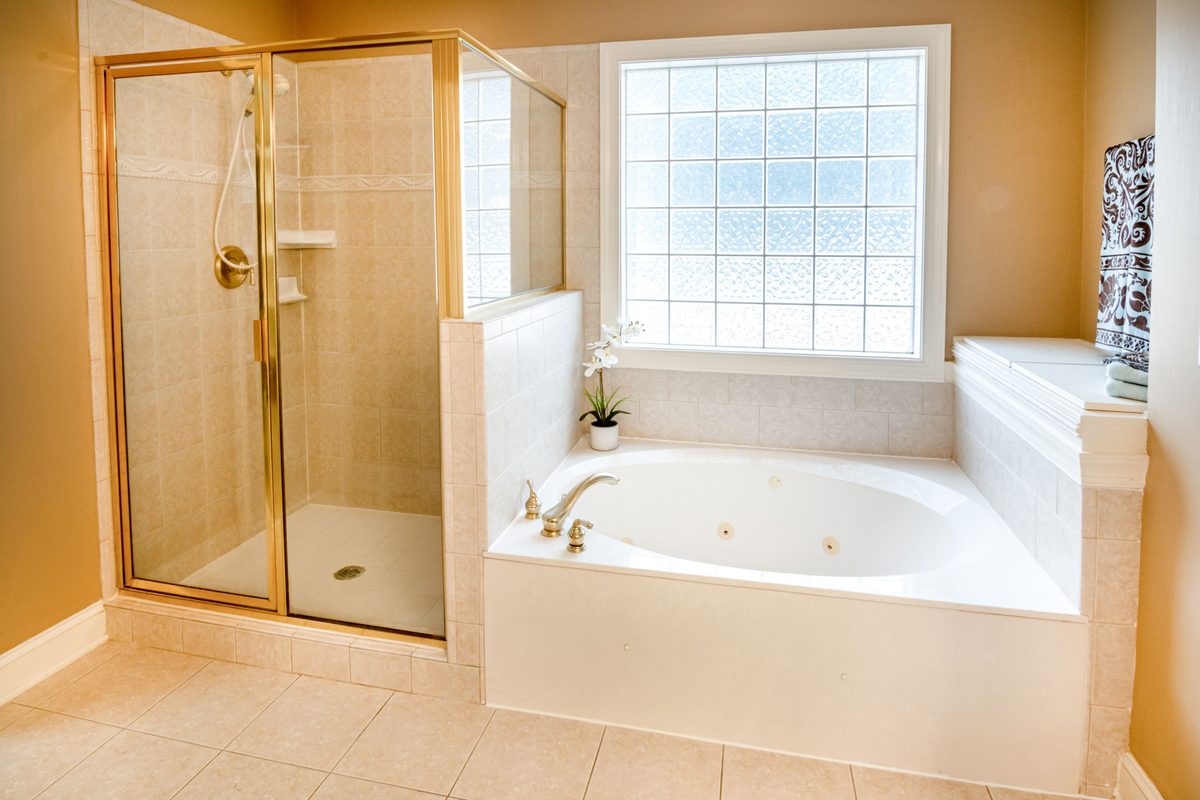
Shower door hardware finishes define the visual character of your bathroom enclosure. Hardware acts as functional jewelry that ties together design elements across faucets, lighting, and accessories. The finish must balance aesthetic preferences with maintenance requirements and long-term durability. Understanding how finishes interact with glass types, bathroom hardware styles, and installation variables helps homeowners make informed decisions.
Hardware finishes range from classic reflective surfaces to modern matte textures. Brushed nickel captures 32% of the market due to water spot resistance. Chrome follows with 22% preference, valued for its bright, timeless appearance. Matte black accounts for 18% of selections and continues gaining popularity. Brushed gold and brass finishes represent 14% of installations.
Hardware constructed from solid brass or stainless steel provides the foundation for all finishes. The base material determines how well the finish withstands humidity, temperature fluctuations, and cleaning chemicals.
Brushed nickel dominates residential installations because homeowners prioritize low-maintenance options. Its subtle texture hides fingerprints and water deposits better than polished alternatives. Chrome remains popular for homeowners seeking classic, mirror-like reflections that brighten small bathrooms. These two finishes account for over half of all hardware purchases nationwide.
Matte black and brushed gold represent emerging trends driven by contemporary design. The shift toward darker, warmer tones reflects broader interior design preferences. These finishes work particularly well when coordinated with matching faucets and cabinet hardware.
Chrome delivers high-gloss reflectivity that amplifies light in enclosed spaces. Its mirror finish creates formal elegance but requires frequent cleaning. Brushed nickel offers soft, diffused light reflection with a satin texture that minimizes visible wear. This finish integrates seamlessly into both modern and traditional bathroom hardware styles.
Matte black provides dramatic contrast against white tile and light-colored stone, creating contemporary sophistication but showing water spots more prominently than textured options. Brushed gold adds warmth through subtle metallic tones that complement earth-tone palettes. These finishes bridge traditional and modern aesthetics, making them versatile for transitional spaces.
Base metal quality determines whether hardware maintains structural integrity under constant moisture exposure. Solid brass resists corrosion better than zinc alloy alternatives found in budget products. Stainless steel provides comparable durability with lighter weight, suitable for larger door panels.
Electroplated finishes create molecular bonds between the base metal and the surface coating for long-term adhesion. Powder-coated finishes rely on baked polymer layers that resist chipping and scratching. Premium manufacturers apply multiple protective layers to enhance resistance against cleaning chemicals and hard water. Finish quality directly correlates with warranty length, ranging from one year to lifetime coverage.
Hardware finish selection must align with the overall bathroom design for visual cohesion. Modern bathrooms favor clean lines and minimalist details. Traditional spaces incorporate ornate details and classic proportions. Transitional designs blend elements from both approaches.
Color temperature plays an essential role in establishing bathroom ambiance. Cool-toned finishes like chrome and brushed nickel suit bathrooms with blue, gray, or white palettes. Warm finishes, including brushed gold, work well with beige, tan, and brown schemes.
Modern bathrooms emphasize matte black and brushed nickel for understated sophistication. These finishes complement frameless door hardware without competing visually with glass transparency. Matte black creates bold contrast while maintaining clean aesthetics. Chrome works in modern spaces when homeowners want reflective surfaces that enhance perceived spaciousness.
Contemporary design tolerates mixed metal finishes more readily than traditional styles. Homeowners can combine matte black hinges with brushed nickel handles if executed with consistent proportions. Most designers recommend maintaining finish consistency across all hardware elements for foolproof results.
Traditional bathrooms benefit from polished chrome or brushed nickel that echo classic plumbing fixtures. These finishes provide timeless elegance, complementing marble countertops and detailed millwork. Oil-rubbed bronze offers an authentic period appearance for historical restoration projects, with darkened patina adding depth and vintage character to framed door hardware.
Transitional spaces accommodate brushed gold and brass finishes that bridge formal and casual elements. These warm metallic tones coordinate with both traditional faucets and contemporary tile patterns. Selecting finishes that complement rather than dominate ensures hardware enhances the design.
Matte black finishes transform bathrooms into dramatic, gallery-like spaces with high visual impact. The stark contrast between black hardware and white subway tile creates graphic interest impossible with neutral finishes. Black finishes show water spots and fingerprints prominently, requiring increased maintenance frequency. Despite this drawback, demand continues growing as homeowners prioritize bold design statements.
Brushed gold and brass inject warmth into bathrooms dominated by cool gray and white palettes. These finishes evoke luxury when paired with marble, natural stone, or high-end porcelain. Gold tones complement wood vanities better than chrome or black alternatives.
Glass selection directly influences how hardware finishes appear within the completed installation. Clear tempered glass is the standard choice for maximum light transmission and transparency. Tempered glass is mandated by building codes for shower enclosures due to its safety properties, being four to five times stronger than standard annealed glass.
Hardware visibility changes dramatically based on whether the glass is transparent, textured, or tinted. Clear glass showcases hardware finishes prominently, making finish quality critically important. Frosted or patterned glass reduces hardware visibility, allowing homeowners to prioritize function over decorative details.
Clear tempered glass maximizes hardware visibility, requiring careful finish selection. Every hinge, handle, and support bracket becomes a focal point when viewed through transparent glass. Premium finishes justify their cost premium in clear glass applications where quality differences remain obvious.
Low-iron glass eliminates the greenish tint inherent in standard clear glass for superior clarity. Over 95% of consumers opt for low-iron glass when presented with the option. This upgrade enhances the hardware’s finish appearance by removing color distortion. Chrome appears brighter, and matte black gains deeper contrast when viewed through low-iron glass.
Frosted and acid-etched glass options are selected by 27% of homeowners, prioritizing privacy. These treatments hide fingerprints and soap residue better than clear glass. Hardware finishes become less visually prominent when glass diffuses light. Homeowners can confidently select budget-friendly hardware without compromising appearance when the glass is frosted.
Acid-etched glass provides a permanent surface texture that never wears away. The matte appearance complements brushed finishes better than polished options. Pairing acid-etched glass with brushed nickel or gold creates cohesive, soft aesthetics, working particularly well in smaller bathrooms where visual simplicity prevents clutter.
Low-iron glass eliminates the greenish color cast visible along standard glass edges. This optical improvement makes hardware finishes appear truer to their intended color. Chrome gains brilliance while matte black appears richer against neutral glass.
Hardware manufacturers design finishes assuming low-iron glass in premium installations. Standard glass can make finishes appear slightly off-tone or dulled. This effect intensifies with thicker glass, where edge visibility increases. Homeowners investing in custom shower door installation should include low-iron glass to maximize hardware finish impact.
Generational differences shape hardware finish preferences based on design exposure and aesthetic priorities. Generation X and Baby Boomers gravitate toward traditional finishes, including chrome and brushed nickel. Younger homeowners embrace contemporary finishes like matte black that signal modernity and design sophistication.
Regional preferences also influence finish selection based on local design trends. Coastal areas favor corrosion-resistant finishes that withstand salt air and high humidity. Urban markets trend toward contemporary finishes faster than suburban and rural regions.
Baby Boomers consistently select polished chrome and brushed nickel for proven track records. These finishes align with traditional bathroom designs, emphasizing symmetry and classic materials. Generation X exhibits similar preferences but shows increased willingness to explore brushed gold in transitional spaces.
Millennials drive demand for matte black finishes that align with contemporary design trends. This generation prioritizes visual impact and statement-making design choices. Younger homeowners accept higher maintenance requirements in exchange for desired aesthetics.
Generation X median bathroom renovation spend reaches $15,000, matching Baby Boomer investment levels. This spending capacity allows both groups to select premium hardware finishes without budget compromises. Millennials spend a median of $12,000 on bathroom renovations, sufficient for quality hardware selections. Seniors allocate $8,500 median spend, often requiring more careful prioritization.
Higher budgets correlate with increased willingness to specify custom finishes and specialized hardware configurations. Budget constraints force homeowners to prioritize function over decorative details. Understanding shower replacement cost in Massachusetts helps homeowners allocate budgets appropriately.
Homeowners consistently rank durability as the top hardware selection criterion above aesthetic considerations. Long-term performance justifies premium pricing when hardware withstands daily use without finish degradation. Maintenance requirements rank second, with busy homeowners preferring finishes that hide water spots effectively. Aesthetic appeal ranks third, though it often drives initial interest.
Warranty coverage signals manufacturer confidence in finish durability. Lifetime warranties justify price premiums by eliminating future replacement costs. Budget hardware typically includes one-year coverage reflecting lower manufacturing standards.
Understanding how manufacturers create hardware finishes helps homeowners evaluate quality differences between products. Premium manufacturers invest in sophisticated equipment, ensuring consistent finish, appearance, and durability. Budget producers cut costs through simplified processes and thinner protective layers that accelerate wear.
Surface preparation represents the most critical manufacturing step regardless of final finish type. Inadequate cleaning and polishing create weak points where finishes delaminate prematurely. Premium manufacturers employ multi-stage preparation sequences that remove all contaminants before applying protective coatings.
Chrome electroplating begins when the base metal is cleaned and polished to remove all surface imperfections. The prepared metal is submerged in chromic acid solution containing dissolved chromium ions. An electrical current binds the chromium layer to the surface, creating molecular bonds stronger than mechanical adhesion.
Brushed nickel follows similar electroplating procedures but includes an additional mechanical finishing step after plating. Fine abrasive materials create the characteristic linear texture that diffuses light reflection and hides minor scratches. This brushing process must be precisely controlled to maintain a consistent appearance across all components.
Matte black finishes are achieved through powder coating or specialized electroplating techniques that eliminate surface gloss. Powder coating applies dry polymer particles electrostatically before baking them into durable, chip-resistant layers. This process creates thick, uniform coatings that resist scratching better than traditional wet paint.
Specialized matte black electroplating uses modified chemical baths and current parameters to create non-reflective chromium deposits. This approach delivers thinner coatings than powder coating but maintains metallic appearance characteristics. The finish resists corrosion effectively while providing contemporary aesthetics, driving current market demand.
Solid brass construction provides superior corrosion resistance compared to zinc alloy alternatives found in budget product lines. Brass withstands constant moisture exposure without developing white oxidation deposits. This material choice directly affects warranty length and homeowner satisfaction.
Stainless steel offers comparable durability with reduced weight, benefiting larger walk-in shower installation projects using oversized panels. The material resists both corrosion and mechanical stress better than zinc while accommodating all standard finish processes. Premium manufacturers clearly identify base metal composition in product specifications.
Glass weight increases significantly with thickness, directly impacting hardware structural requirements. Thicker glass demands heavier-duty hinges and mounting brackets capable of supporting additional weight without failure. Premium finishes applied to inadequate hardware offer no performance advantage when base components lack the necessary strength.
Finish selection becomes more critical as glass thickness increases because hardware visibility amplifies with larger components. Substantial hinges and handles required for half-inch glass installations become prominent design elements.
Three-eighths-inch glass represents the industry standard for frameless installations, balancing strength, weight, and cost. This thickness is strong enough to stand independently without metal framing while remaining light enough for standard hardware.
Half-inch glass serves as the premium choice for large walk-in showers requiring maximum stability. This thickness provides superior rigidity, preventing flexing in tall or wide panels. The substantial weight requires heavier-duty hinges and reinforced wall blocking. Quarter-inch glass remains restricted to fully framed shower doors where the surrounding metal structure provides necessary support.
Half-inch glass places excessive stress on hinges without proper support from adequate base materials and wall reinforcement. Increased weight accelerates wear on moving components, including pivot points and mounting screws. Premium finishes cannot compensate for inadequate hardware construction when the glass weight exceeds the component design specifications.
Quarter-inch glass requires structural support of metal framing to prevent deflection and potential breakage. The surrounding frame distributes stress across the entire perimeter rather than concentrating forces at isolated mounting points. Hardware for framed door hardware applications can utilize lighter-duty construction because the frame provides primary structural support.
Tempered glass shatters into small, dull, pebble-like pieces when broken, minimizing injury risk. Standard glass breaks into dangerous, sharp shards, causing severe lacerations. Building codes mandate tempered glass for shower enclosures because of these critical safety differences.
ANSI Z97.1 establishes the American National Standards Institute performance benchmark for safety glazing materials. CPSC 16 CFR 1201 establishes minimum federal safety requirements. SGCC Certification represents the Safety Glazing Certification Council’s third-party certification program, providing independent quality verification. These standards ensure consistent safety performance regardless of hardware finish selection during bathroom remodel process planning.
Hardware finishes range from budget options starting around $161 to premium selections exceeding $5,516 for complete installations. Finish quality directly correlates with price, as manufacturing processes and base materials determine production costs. Chrome and brushed nickel typically occupy mid-range pricing due to established manufacturing efficiency. Specialty finishes, including matte black and brushed gold, command premiums reflecting newer production techniques.
Material costs range from $200 for budget installations to over $2,000 for premium custom enclosures. Installation complexity adds $900 to $1,800, depending on glass thickness, enclosure size, and required structural reinforcement.
Budget segment installations range from $161 to $1,200 and typically include basic chrome finishes on framed doors. These projects use thinner quarter-inch glass with standard metal framing. Material costs of $200 to $600 combine with $900 to $1,000 installation expenses.
Mid-range segment installations span $1,200 to $2,000 and accommodate improved hardware with better finishes and semi-frameless door configurations. Material costs increase to $400 to $1,200 while installation expenses rise to $1,200 to $1,800. Premium segment installations exceed $2,000 and include fully frameless custom enclosures with designer finishes.
Standard rectangular enclosures using prefabricated components minimize installation time and complexity, reducing labor costs below custom options. Custom shapes, including angled walls, curved glass, or unique dimensions, require specialized fabrication, increasing both material and installation expenses.
Wall reinforcement requirements vary based on glass thickness and hardware weight, potentially adding substantial costs. Half-inch glass installations demand blocking installed between wall studs before tile installation. Retrofitting blocking after walls are finished requires invasive demolition and repairs that dramatically increase project costs. Homeowners should address structural requirements during planning phases to avoid expensive change orders during bathroom remodeling services execution.
Custom enclosures with unique shapes significantly drive up costs compared to standard configurations. Specialized hardware designed for non-standard applications commands premium pricing due to limited production volumes. Intricate designs requiring multiple glass panels, complex hinging systems, or unusual mounting configurations multiply both material and installation expenses.
Standard finishes, including chrome and brushed nickel, remain widely available from multiple manufacturers at competitive prices. Specialty finishes like oil-rubbed bronze or custom color-matching require longer lead times and higher minimum order quantities. Limited availability increases both material costs and project timelines.
Selecting appropriate shower door hardware finishes requires balancing aesthetic preferences with functional requirements and budget realities. Hardware serves as both a functional necessity and a decorative accent that influences overall bathroom design cohesion. Successful finish matching considers glass type, thickness requirements, existing fixtures, and long-term maintenance expectations. Homeowners who research options thoroughly and consult experienced professionals achieve results that satisfy both immediate needs and extended performance expectations.
Finish compatibility with bathroom hardware styles prevents costly mistakes that compromise design integrity. Understanding how different finishes interact with glass types, lighting conditions, and surrounding materials ensures successful installations that enhance home value.
Patriot Bath Remodeling specializes in helping homeowners navigate the complexities of shower door selection and installation throughout Massachusetts, Rhode Island, and Southern New Hampshire. Our experienced team provides comprehensive guidance on hardware finishes, glass options, and installation requirements tailored to individual project goals and budget parameters.
Choosing the right hardware finish is just one piece of a beautiful, lasting bathroom. At Patriot Bath Remodeling, our team helps you coordinate finishes, glass, and design details that fit your style and hold up for years. Whether you’re updating a single shower door or planning a full remodel, we’ll guide you through every decision with honest advice and quality craftsmanship. Get a free estimate today and let’s bring your vision to life.