Monthly Payments as Low as $99! | 1/2 OFF Labor on second Project
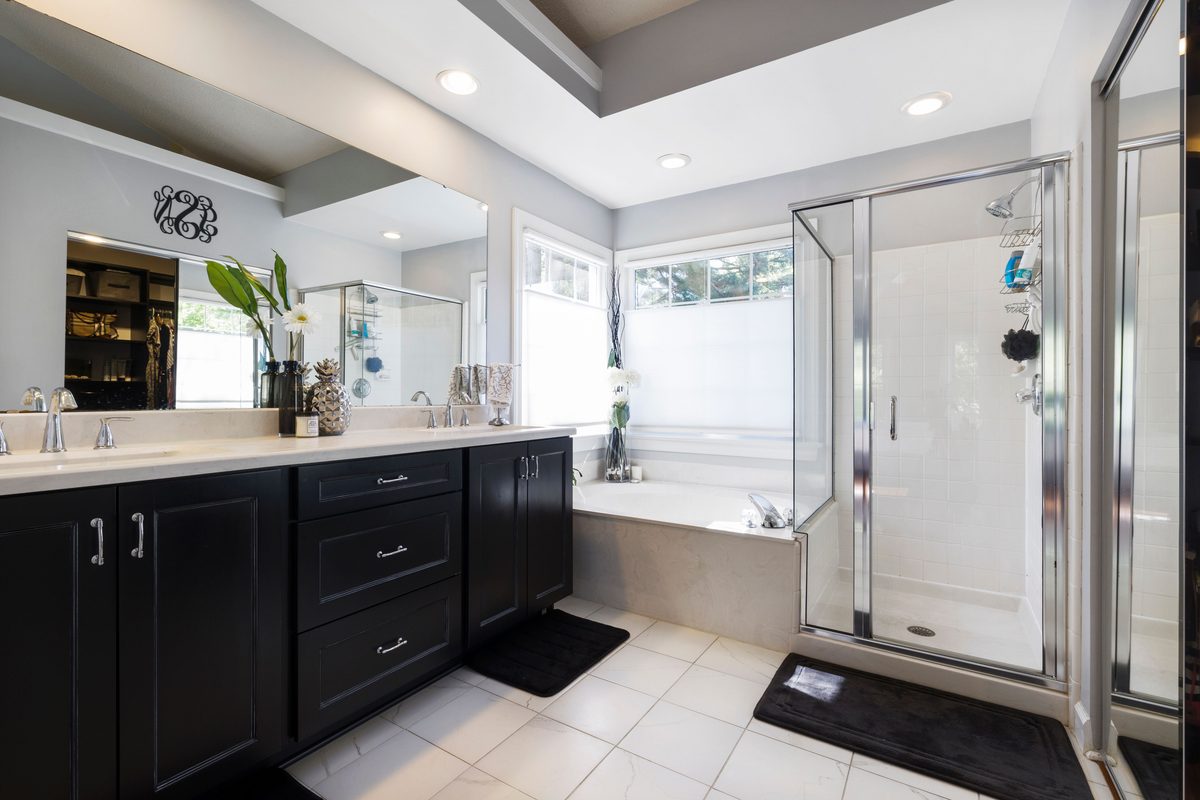
Master bathroom vs. hall bathroom: which one should get your renovation budget first? The answer depends on cost, resale value, and how your household actually uses each space. Master bathrooms cost more and deliver daily comfort. Hall bathrooms cost less and recover more value at resale.
Here’s what this guide breaks down: real cost ranges, honest ROI data, and the features worth paying for in each space. For a closer look at what a full master bathroom remodel involves before you set your budget.
A master bathroom serves one household daily. A hall bathroom serves guests and family members occasionally. That difference in use drives every decision about size, finish level, and budget.
Master bathrooms carry the highest-end finishes in the house. Steam showers, heated floors, and freestanding tubs define the luxury tier. Larger primary baths, 100 square feet or more, see a median spend of $25,000. Higher-tier projects in that size range reach $70,000 at the 90th percentile. A quality double-sink vanity alone runs $700 to $1,800. Design has shifted too: shower enclosures now outnumber freestanding tubs in new primary bathrooms across U.S. homes.
Hall bathrooms stay smaller and simpler. Guest bathroom spending reflects that: the median ran $6,000 in 2024 and rose to $7,000 in 2025. Fixtures and finishes here favor durability over luxury.
A master bathroom sees daily use from one or two household members. A hall bathroom sees intermittent use, mostly from guests or kids. Traffic pattern alone justifies the spending gap between the two.
Cost scales with size, scope, and location. A hall bathroom stays budget-friendly by nature. A master bathroom climbs fast once square footage and finish level rise.
A midrange bathroom remodel averages $26,138 nationally in 2025. Master bathroom projects run higher: $25,000 to $45,000 for midrange work, and $65,000 to $115,000 for luxury builds. Location matters too. Northeast metro areas run 40% to 60% above the national average. Northern Virginia specifically runs 25% to 35% higher.
Labor takes the biggest share of every remodel budget. The table below breaks down the NKBA allocation model by category.
| Budget Category | Share of Total Cost |
|---|---|
| Labor | 20% (NKBA model); 40% to 65% per contractor-reported data |
| Cabinetry and hardware | 16% |
| Fixtures | 15% |
| Faucets and plumbing | 14% |
| Flooring | 9% |
| Countertops | 7% |
| Walls and ceiling | 5% |
| Lighting and ventilation | 5% |
| Doors and windows | 4% |
| Design fees | 4% |
| Other | 1% |
Two added cost factors matter too: moving fixtures more than three feet from existing plumbing lines adds $500 to $1,000, and retiling alone, materials and labor combined, costs $10 to $50 per square foot.
Timeline tracks directly with scope. Most bathroom remodels take three to eight weeks overall; the table below breaks that down by project type.
| Remodel Scope | Typical Timeline |
|---|---|
| Cosmetic refresh | 1 to 2 weeks |
| Mid-range remodel (fixtures stay in place) | 3 to 5 weeks |
| Full gut remodel | 6 to 10 weeks |
| Luxury or primary bathroom with custom features | 8 to 12 weeks |
Smaller bathrooms recoup more of their cost than larger ones. That single rule explains most of the ROI gap between master and hall bathrooms.
Smaller, simpler projects return more value at resale, as the table below shows.
| Bathroom Type | Resale ROI |
|---|---|
| Half bath / powder room | 75% to 85% |
| Guest bathroom | 70% to 80% |
| Full family bathroom | 65% to 75% |
| Primary / master bathroom | 55% to 65% |
| Midrange remodel (overall average) | 80% |
Scale down, and ROI goes up.
Region shifts the numbers further. In the Northeast, a midrange bathroom remodel recoups only 60% to 70% of cost, below the national midrange average.
ROI figures vary by source, so treat the numbers as a range, not a fixed rule. NAR data puts recovery lower than Cost vs. Value figures: 54% for a primary suite addition and 50% for a full bathroom renovation at resale, compared to the Cost vs. Value Report’s 80% midrange estimate. That gap comes down to methodology, not a contradiction in the market. Regional data compounds the difference: Northeast Cost vs. Value figures run 60% to 70%, well under the 80% national midrange average. Upscale remodels sit lowest across sources, at 36% ROI, with cited ranges of 36% to 45%.
Not every upgrade pays back the same. Walk-in showers and vanities lead in ROI. Lighting and ventilation lead in value per dollar for smaller baths.
A walk-in or curbless shower ranks highest for ROI in a master bath, returning approximately 55% to 60%. Tub-to-shower conversions perform similarly, averaging around 60% ROI. Double vanities rank as the most common preference among homeowners, though no isolated ROI figure exists for them. Heated floors rank fourth, valued for satisfaction rather than resale return. Homeowners rate the overall experience high too: bathroom renovations score a 9.8 out of 10 Joy Score.
Hall bathrooms benefit most from low-cost, high-impact fixes. Lighting and ventilation upgrades rank third among all features, valued for low cost and for avoiding future repair bills. A basic exhaust fan installation averages just $400, making it one of the cheapest ways to protect a hall bathroom from moisture damage.
Shower design is shifting toward open, minimal styles. 78% of NKBA-surveyed professionals expect walk-in showers to become the preferred door style, and 74% expect frameless glass to lead going forward. 55% of homeowners now favor expansive, steam-capable shower spaces over a traditional bathtub. Smart fixtures round out the trend list, ranked fifth overall as the fastest-growing category, though ROI data on them remains limited. The category carries real weight: the global smart bathroom market is projected to exceed $11 billion in 2026.
Most bathroom remodel problems trace back to three causes: thin budgets, skipped waterproofing, and late material orders. Each one is preventable with basic planning.
Nearly half of all bathroom renovations run over budget, with overruns averaging 23% to 35%. In 2025, 37% of homeowners exceeded their initial budget, according to Houzz. Higher-end material choices caused 35% of those overruns, and mid-project scope expansion caused another 31%. A 15% to 20% contingency buffer, built in from the start, absorbs most of that risk.
Waterproofing failures are the most common cause of post-renovation insurance claims. Fixing one costs $2,000 to $12,000. Ventilation mistakes carry similar risk: undersized exhaust fans and ventilation below required CFM contribute to mold growth in 40% of remodeled bathrooms within three years. Fixture spacing violations create their own cost trap, forcing a complete tearout that adds $5,000 to $10,000.
Material lead times run four to twelve weeks or more, so late ordering stalls the whole project. Fixtures, tile, and cabinetry need to arrive at least two weeks before work starts. Locking in selections before demolition matters just as much: unfinalized choices trigger change orders, which require new materials and halt current work. Custom-sized vanities and imported tile cause the longest delays of all.
A remodel runs smoothest when it follows a fixed order: plan, then build, then finish. Skipping steps or reversing the sequence is what causes most of the delays and overruns covered above.
Every master bathroom remodel breaks into three stages: pre-construction, construction, and post-construction. Pre-construction covers design finalization, material selection, and permitting. Construction covers demolition, structural work, system installations, and finishing. In order, the full sequence runs: set budget with contingency, finalize design and all material and fixture selections, secure permits, demolish, complete plumbing and electrical rough-in with inspection, waterproof and tile, install cabinetry and countertops and fixtures, then finish work and final inspection. Demolition itself is quick, usually just one to two days.
Spend data points toward the master bathroom as the higher priority. Median spend on primary bathrooms rose from $13,000 in 2024 to $15,000 in 2025, and major primary bathroom remodels now median $22,000. Guest bathroom spend stays well below that, at $6,000 to $7,000. That gap reflects daily use: homeowners invest more where they spend the most time.
Comfort and resale value pull in opposite directions. Master bathrooms deliver the highest daily comfort but the lowest resale return, since bigger, more personal upgrades appeal less to a future buyer. Hall bathrooms work the other way: lower spend, but stronger resale recovery, since smaller and simpler projects match what most buyers expect. The right split depends on timeline. Homeowners planning to stay long-term should weigh the master bathroom higher. Homeowners planning to sell soon get more value focusing on the hall bathroom first.
The right answer depends on how the home is used and how long the owner plans to stay. Daily use, budget ceiling, and resale timeline decide the order.
Daily use makes the master bathroom the stronger first move for most owners. It sees the most wear, carries the highest spend ceiling, and matches current demand for walk-in and steam showers. Owners planning to stay in the home for years get the most value investing here first, since comfort compounds daily while resale return matters less.
Owners closer to a sale should flip that order. Hall bathrooms recover a larger share of their cost, and smaller upgrades match what buyers expect from a guest space. Prioritizing the hall bathroom makes sense when resale timing outweighs personal daily comfort.
A blended approach splits the difference. A cosmetic refresh, running roughly $3,000 to $10,000, upgrades a hall bathroom without a full remodel, freeing up budget to invest more heavily in the master bathroom. This route balances comfort and resale value without overspending on either space.
Cost and ROI move in opposite directions between these two spaces. Master bathrooms cost more, run longer, and deliver the most daily comfort, but return less at resale. Hall bathrooms cost less, finish faster, and recover more of their cost, but offer less personal payoff.
The right choice comes down to timeline. Staying long-term favors the master bathroom first, since comfort matters more than resale over years of daily use. Selling soon favors the hall bathroom first, since smaller, cheaper upgrades recoup more of their cost. For most homeowners, a blended approach delivers the strongest results: a low-cost hall bathroom refresh paired with a planned, well-sequenced master bathroom remodel. That combination protects resale value while still delivering the upgrade that gets used every day.
Patriot Bath Remodeling helps homeowners across Massachusetts, Rhode Island, and Southern New Hampshire plan and complete master bathroom and hall bathroom remodels that fit their budget and timeline. With over 50 years of combined experience, financing options starting at $99 a month, a lifetime warranty, and a price match guarantee, our team makes it easy to invest in the right space first. Call (508) 748-5468 or Get your free estimate today and find out what your remodel will cost, no obligation required.
The master bathroom usually comes first if you plan to stay in your home for several more years, since it sees daily use and delivers the most comfort return. The hall bathroom usually comes first if you plan to sell soon, since it recovers a larger share of its cost at resale. Household size and how often guests visit also factor into the decision. Most homeowners strike the strongest balance by pairing a light hall bathroom refresh with a well-planned master bathroom remodel.
A midrange master bathroom remodel runs $25,000 to $45,000, while a luxury master bath can reach $65,000 to $115,000. A hall bathroom costs far less: median spending runs $6,000 to $7,000, since these spaces stay smaller and use simpler fixtures. Location affects both figures, with Northeast metro areas running 40% to 60% above the national average. See our Massachusetts bathroom remodel cost guide for a full regional breakdown.
A hall bathroom remodel adds more resale value in percentage terms. A half bath or powder room returns 75% to 85% of its cost, and a guest bathroom returns 70% to 80%, while a primary or master bathroom returns only 55% to 65%. Smaller, simpler projects consistently recoup a larger share of what they cost. A master bathroom remodel still adds meaningful value in dollar terms, since it starts from a much larger project scope.
A cosmetic refresh of a hall bathroom takes one to two weeks, and a full hall bathroom remodel that keeps fixtures in place takes three to five weeks. A master bathroom remodel takes longer: a full gut remodel runs six to ten weeks, and a luxury build with custom features can take eight to twelve weeks. The gap comes down to scope, since master bathrooms usually involve more structural work, higher-end fixtures, and custom design elements.
A blended approach works for most households: a low-cost cosmetic refresh for the hall bathroom, running roughly $3,000 to $10,000, paired with a full, well-sequenced master bathroom remodel. This spreads the budget across both spaces without overspending on either one. Locking in material and fixture selections before demolition also helps control cost, since change orders are one of the most common sources of budget overruns. Planning a 15% to 20% contingency into the total budget protects against surprises in either project.