Monthly Payments as Low as $99! | 1/2 OFF Labor on second Project
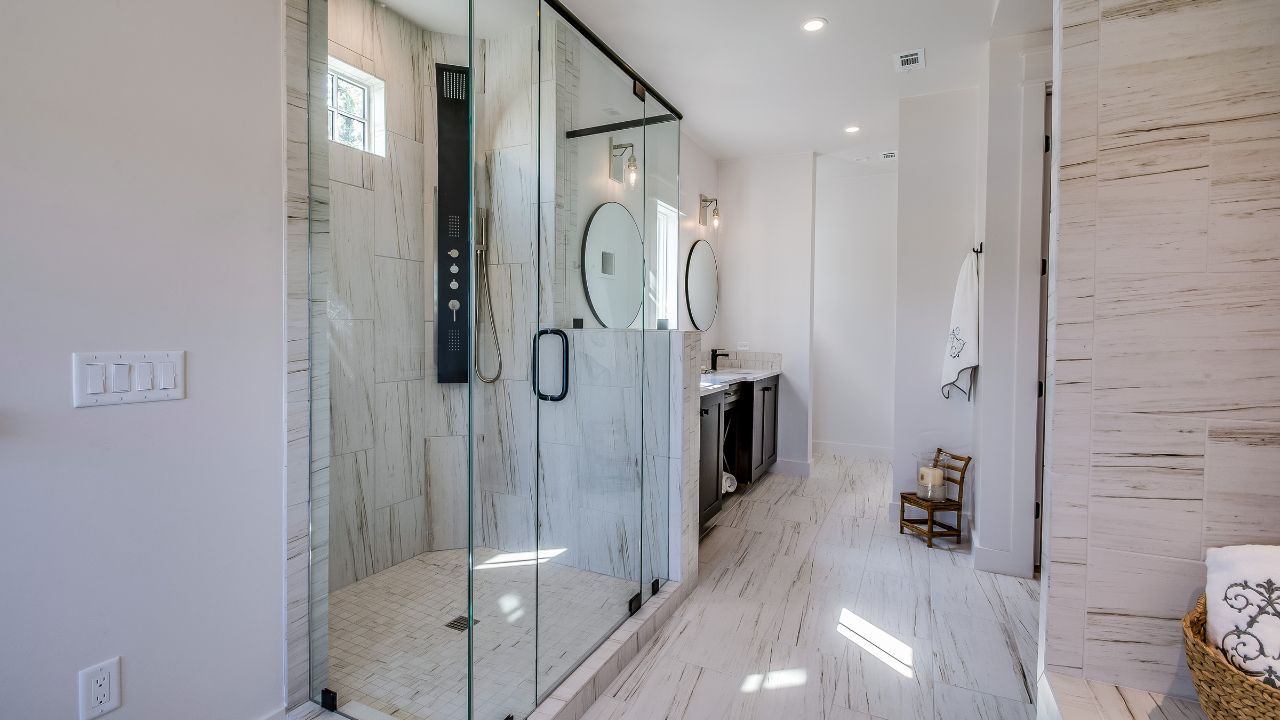
Selecting among tub-to-shower conversion companies requires understanding service models, regional pricing, and contractor specializations. Massachusetts homeowners navigate a market where national franchises compete with regional design-build firms and specialized local contractors.
The Massachusetts market commands significant cost premiums due to historic housing stock and strict permitting requirements. Greater Boston bathroom remodeling averages $900 to $1,200 per square foot compared to national averages of $180 to $280. Understanding these dynamics helps homeowners set realistic budgets and identify bathtub-to-shower services that align with their needs.
Key Takeaways
A tub-to-shower conversion replaces an existing bathtub with a walk-in shower system designed for improved accessibility and modern aesthetics. This renovation addresses safety concerns while updating outdated fixtures without the expense and disruption of full remodels. Professional conversions typically complete in one to two days using custom-fit panels and waterproofing systems.
Homeowners choose conversions for aging-in-place safety, space efficiency, and cost savings. The average conversion costs $3,000 to $8,000 professionally versus $16,000 to $45,000 for full bathroom remodels. Installation timelines of 1-2 days versus 5-8 weeks make tub-to-shower conversion versus full bathroom remodel comparisons critical for homeowners with limited budgets or tight schedules.
Tub-to-shower conversions modify only the bathing fixture while full remodels strip rooms to studs and rebuild entirely. DIY conversions range from $1,500 to $3,000, while professional installations cost $3,000 to $8,000 compared to full remodels starting at $16,000. Professional conversions are complete within 1-2 days, whereas full remodels require 5-8 weeks.
Full remodels offer complete design flexibility and address underlying structural or plumbing issues. They deliver higher potential return on investment at 74% for mid-range projects but require substantially longer timelines.
Aging-in-place renovations transform family homes into safe, accessible spaces where seniors maintain independence. Approximately 56% of Baby Boomers undertake remodeling projects specifically for aging-in-place remodeling purposes. Nearly 10% of all renovation spending by seniors focuses on accessibility features like curbless showers and grab bars.
The financial case for accessibility conversions is compelling, given that nursing home costs exceed $112,000 annually. Accessibility conversions ranging from $20,000 to $35,000 pay for themselves in less than one year compared to institutional care expenses. These conversions incorporate universal design principles, including barrier-free entries, built-in seating, and non-slip flooring.
The conversion market segments into three distinct provider types: DIY approaches, professional conversion specialists, and accessibility-focused contractors. Each category serves different homeowner priorities, from budget consciousness to specialized safety requirements.
Market share distribution shows professional conversions capturing 27.5%, while DIY represents 18%, and accessibility-focused work holds 12%. The remaining 42.5% consists of full bathroom remodels incorporating tub-to-shower changes. Provider selection significantly impacts waterproofing quality, code compliance, warranty protection, and long-term durability.
DIY conversion represents a do-it-yourself approach where homeowners handle demolition, installation, and finishing without professional contractors. This segment captures approximately 18% of the bathroom conversion market and appeals primarily to budget-conscious Millennials with construction experience. DIY projects require 40-80 hours of labor plus specialized tools.
The primary advantage is cost savings, with total expenses ranging from $1,500 to $3,000. However, DIY conversions carry substantial risks, including improper waterproofing leading to mold and structural damage. Homeowners receive no warranty on workmanship and must personally ensure all plumbing modifications meet local building codes.
Professional services offer one-day installation where trained technicians complete conversions in 1-2 days using proprietary systems and custom-fit solutions. This segment represents 27.5% of bathroom conversions and dominates among Baby Boomers, with 92% hiring professional contractors. Companies utilize technologies like PermaFit™ for precise measurements, ensuring seamless panel installation.
Professional-grade waterproofing membranes eliminate moisture penetration risks that commonly plague DIY installations. Contractors handle all demolition, debris disposal, code-compliant plumbing adjustments, and finishing work under comprehensive warranty protection.
Accessibility-focused providers specialize in universal design principles incorporating ADA compliance and barrier-free features for mobility-challenged homeowners. This segment captures 12% of the conversion market and requires contractors with specialized knowledge of grab bar reinforcement and curbless shower construction. Accessibility conversions typically range from $20,000 to $35,000 due to structural modifications needed for zero-threshold entries.
Key features include built-in seating with proper weight-bearing reinforcement, strategically placed grab bars anchored to wall studs, and non-slip flooring materials. These conversions demand specialized contractors’ understanding of universal design principles and knowledge of the best accessible bathroom features for seniors.
Budget constraints, quality standards, and regional regulatory requirements dominate homeowner decision-making when evaluating the best bathroom remodelers MA can provide. Massachusetts homeowners must balance cost expectations against quality craftsmanship while navigating strict municipal permitting processes.
Regional market dynamics complicate contractor evaluation as Greater Boston’s housing stock presents unique challenges absent in newer construction markets. Older New England homes often require complex plumbing updates and structural reinforcements, affecting project timelines and budgets. Understanding how to choose a bathroom remodeling company involves evaluating credentials, warranty terms, regional experience, and transparent pricing structures.
Budget considerations drive initial contractor screening, with DIY conversions costing $1,500-$3,000 versus professional services ranging from $3,000-$8,000. In Boston, budget full bathroom renovations start at $17,500 while mid-grade projects begin at $27,500, and high-end installations start at $39,500. Luxury primary suites can reach $200,000 in affluent Massachusetts communities.
Cost premiums in Massachusetts reflect regional labor shortages, strict permitting requirements, and historic home complexities requiring specialized expertise. Understanding regional pricing helps set realistic expectations and identify contractors offering transparent quotes.
Improper waterproofing represents the leading cause of mold growth and structural damage following bathroom renovations. Professional contractors should provide comprehensive warranties covering both materials and workmanship for a minimum of five-year periods. Quality waterproofing membranes, proper shower pan installation, and code-compliant plumbing connections prevent moisture intrusion.
Homeowners should verify contractor licensing, bonding, and insurance coverage protecting against construction defects and worker injuries. Quality standards include custom measurements ensuring proper fit, professional-grade materials from established manufacturers, and thorough cleanup. Massachusetts bathroom contractors must demonstrate experience with regional building codes and inspection processes.
Massachusetts municipalities enforce strict permitting requirements that professional contractors must navigate to ensure legal compliance. Historic homes in communities like Concord, Lexington, and Belmont require careful updates respecting architectural integrity while modernizing bathroom functionality. Complex plumbing modifications in older housing stock often uncover unexpected issues, causing budget overruns.
Regional contractors familiar with municipal permit processes expedite approvals and handle inspection scheduling. Historic home renovations demand specialized knowledge of period-appropriate materials, structural reinforcement techniques, and preservation guidelines. Budget overruns in older New England homes average 15-20% higher than newer construction.
Massachusetts bathroom remodeling costs substantially exceed national averages due to regional labor shortages, historic housing stock, and affluent demographic expectations. While national bathroom renovations average $180 to $280 per square foot, Greater Boston projects range from $900 to $1,200 per square foot.
Regional cost variations impact homeowner decisions regarding conversion scope and contractor selection among top remodel experts serving the market. The Massachusetts market demonstrates a stronger preference for professional installation over DIY approaches compared to national trends.
National bathroom remodeling averages $180 to $280 per square foot, while Greater Boston averages $900 to $1,200 per square foot. This substantial premium of 400-500% above national averages reflects Massachusetts-specific factors, including skilled labor shortages and strict regulatory requirements.
Boston-area pricing establishes market baselines extending throughout Eastern Massachusetts, including South Shore communities and Southern New Hampshire border towns. Mid-range bathroom remodels returning 74% ROI nationally may show different value propositions in Massachusetts, given higher initial investment requirements.
The Greater Boston region experiences significant shortages of skilled tradespeople, driving up labor costs and extending project timelines. Limited contractor availability forces homeowners to book projects months in advance during peak seasons or accept premium pricing for immediate scheduling.
Material availability in Massachusetts generally matches national supply chains, though regional preferences for premium finishes affect inventory at local suppliers. Contractors with established supplier relationships secure better material pricing and priority access during shortage periods.
Bath Fitter Boston North dominates the rapid-conversion segment, offering one-day installations with lifetime warranty protection and proprietary fitting systems. Five Star Bath Solutions Northern MA specializes in aging-in-place conversions and frequently promotes $1,500 discounts, attracting senior homeowners prioritizing accessibility features. Thomas Buckborough & Associates serves the premium full-remodel segment with integrated design-build services, managing complex historic home renovations.
Bay State Remodeling focuses on mid-range to high-end projects throughout Eastern Massachusetts, offering comprehensive bathroom remodeling in Boston. MA, services, including conversions and full renovations. Bath Flip targets budget-conscious homeowners seeking basic conversions without extensive customization.
Understanding return on investment dynamics helps homeowners make informed decisions, balancing immediate costs against long-term home value. Mid-range bathroom remodels costing an average of $25,251 return $18,613 at resale, representing 74% ROI according to national benchmarks.
Strategic feature selection maximizes both immediate utility and resale value by prioritizing universally appealing upgrades over highly personalized design choices. Bathroom remodeling services offering transparent pricing and quality materials help homeowners avoid overspending on features providing minimal resale value.
Mid-range bathroom remodels costing $25,251 average $18,613 in resale value recovery, representing a solid 74% return on investment. This return significantly exceeds upscale remodels, returning only 45% due to over-customization exceeding typical buyer expectations. Universal design remodels incorporating accessibility features return approximately 49%, reflecting specialized market appeal.
The 74% mid-range ROI versus 45% upscale ROI demonstrates diminishing returns on premium material selections and highly customized design choices. Homeowners maximize value through neutral color palettes, quality mid-grade fixtures, and professional installation, ensuring long-term durability.
Aging-in-place features deliver immediate safety benefits and long-term cost savings, avoiding nursing home expenses exceeding $112,000 annually. However, accessibility features return only 49% ROI at resale due to limited buyer demographics specifically seeking universal design elements.
Homeowners planning to remain in homes long-term should prioritize aging-in-place features despite lower resale returns, given substantial nursing home cost avoidance. The financial equation shifts when comparing conversion costs of $20,000-$35,000 against annual institutional care expenses exceeding $112,000.
Full bathroom remodels make financial sense when underlying plumbing or structural issues require comprehensive repairs exceeding conversion project scopes. Professional conversions offer less design flexibility than full remodels, limiting layout changes, fixture repositioning, and comprehensive aesthetic transformations.
Full remodels work best for homeowners planning extended residence periods, allowing time to recoup the 74% average ROI. The 5-8 week timeline and $16,000-$45,000 cost range require homeowners to commit to comprehensive renovations. Conversions better serve homeowners prioritizing rapid completion, minimal disruption, and targeted functionality improvements.
Professional tub-to-shower conversions follow structured processes ensuring quality installation, proper waterproofing, and code compliance throughout rapid 1-2 day timelines. Understanding the bathroom remodel process step-by-step guide helps homeowners set realistic expectations for contractor activities.
Proper project sequencing prevents common installation errors, including improper waterproofing, incorrect drain positioning, and inadequate wall reinforcement. Professional contractors coordinate demolition, disposal, plumbing modifications, waterproofing, installation, and finishing within compressed timelines through efficient workflow management.
Professional contractors begin with precision measurement for custom-fit panel fabrication, matching existing wall dimensions and plumbing fixture locations. Technicians evaluate structural conditions, including wall reinforcement requirements, plumbing access points, and ventilation adequacy, before commencing demolition.
Site assessment determines material specifications, identifies code compliance requirements, and establishes project timelines based on discovered conditions. Contractors document existing bathroom conditions through photographs and measurements, creating records supporting warranty claims.
Demolition of the existing tub includes careful removal, protecting surrounding wall structures, flooring, and plumbing fixtures remaining in renovated bathrooms. Expert demolition minimizes collateral damage, reducing repair costs. Debris disposal follows local regulations, with contractors removing all demolition waste.
Professional waterproofing installation applies continuous moisture barriers over wall surfaces and shower bases, preventing water intrusion, causing mold and structural decay. Contractors install proper slope drainage systems, ensuring water flows efficiently toward drains without pooling.
Base installation establishes proper shower floor slope, drain positioning, and threshold height, ensuring water drainage and preventing flooding. Plumbing connections require code-compliant materials, proper fitting tightness, and leak testing before concealing pipes.
Finishing work includes caulking, trim installation, and final fixture mounting, creating seamless appearances between new shower components and existing bathroom elements. Code-compliant plumbing adjustments ensure water supply pressures, drain venting, and shutoff valve accessibility meet local building inspector requirements.
Emerging technology integrations and wellness-focused design preferences increasingly influence bathroom renovation decisions among affluent Massachusetts homeowners. The smart bathroom segment grows at 6.1% CAGR driven by demand for intelligent toilets, digital shower controls, and sensor-enabled fixtures.
Design trends reflect broader lifestyle shifts emphasizing self-care, sustainability, and personalized aesthetics. Massachusetts homeowners demonstrate a strong interest in premium features, including rainfall showers, steam systems, and high-end finishes reflecting regional affluence levels.
The smart bathroom segment experiences accelerated 6.1% CAGR growth as homeowners adopt intelligent toilets with automated cleaning and bidet functionality. Digital showers with programmable temperature controls, spray patterns, and user profiles deliver personalized experiences, reducing water waste. Sensor-enabled fixtures, including automatic faucets, motion-activated lighting, and voice-controlled ventilation fans, enhance convenience while improving accessibility.
Smart technology integration adds $1,500-$5,000 to conversion projects, depending on feature complexity. Contractors must possess electrical expertise and manufacturer certification for proper smart fixture installation.
Rainfall showers and steam systems transform utilitarian bathrooms into personal wellness retreats, emphasizing relaxation and self-care. Premium showerheads with multiple spray patterns, body jets, and chromotherapy lighting create spa-like experiences.
Spa trend adoption adds $2,000-$8,000 to standard conversion costs, depending on feature complexity and material selections, including natural stone and premium fixtures. Wellness-focused design prioritizes multiple sensory experiences through lighting variation, aromatherapy integration, and acoustic considerations.
One in five Millennials spends more than $5,000 annually on home improvements, prioritizing modern minimalist aesthetics with clean lines and contemporary finishes. Millennial bathroom preferences emphasize 51% higher spending than Generation X. Generation X homeowners spending 32% higher than Baby Boomers, who favor transitional designs balancing contemporary trends with classic elements.
Urban homeowners prefer smaller footprints with space-efficient wall-mounted toilets and compact fixtures, maximizing limited square footage. Suburban homeowners typically renovate larger bathrooms, allowing expansive walk-in showers, freestanding tubs, and extensive storage cabinetry.
The Massachusetts conversion market features diverse providers serving distinct demographic segments through specialized service models. National franchise operations, including Bath Fitter Boston North, leverage one-day installation capabilities and lifetime warranties, attracting homeowners prioritizing speed and warranty protection. Regional design-build firms like Thomas Buckborough & Associates dominate premium full-remodel segments, managing complex historic home renovations.
Local specialized contractors, including Bath Flip, compete through competitive pricing, community relationships, and flexible service offerings. Five Star Bath Solutions Northern MA emphasizes aging-in-place expertise and promotional discounting, capturing price-sensitive seniors prioritizing accessibility. Bay State Remodeling occupies the mid-range to high-end segment, offering comprehensive renovation services throughout Eastern Massachusetts.
Market leadership positions reflect distinct competitive advantages, including proprietary technologies, regional expertise, financing options, and specialized demographic focus. Selecting among Massachusetts bathroom contractors requires evaluating provider specializations against specific project requirements and budget constraints.
Understanding the competitive landscape helps homeowners navigate the fragmented Massachusetts market and identify providers offering optimal value propositions. The diversity of available providers ensures homeowners can locate contractors matching their specific priorities, whether emphasizing speed, cost, accessibility, or design flexibility. Companies like Patriot Bath Remodeling combine regional expertise with transparent pricing, helping Massachusetts homeowners achieve their bathroom renovation goals.
Ready to transform your outdated bathroom into a safe, modern space? Patriot Bath Remodeling offers comprehensive tub-to-shower conversion and full bathroom remodeling services throughout Massachusetts, Rhode Island, and Southern New Hampshire. Our experienced team provides free consultations, 3D design renderings, and flexible financing options starting at $99 per month.
Massachusetts homeowners have no shortage of options, but not every company brings the right mix of experience, local knowledge, and honest pricing to the table. Patriot Bath Remodeling has spent 50+ years helping families across South Shore, Greater Boston, Rhode Island, and New Hampshire transform their bathrooms into safer, more functional spaces.
Whether you are looking for a simple one-day tub-to-shower conversion, an accessibility upgrade that lets you age in place with confidence, or a full bathroom overhaul, our team handles every detail from start to finish. We use quality materials, back our work with warranties, and offer flexible financing starting at just $99 per month, so cost does not stand between you and a bathroom you love. Contact Patriot Bath Remodeling today to schedule your free estimate and discover how we can bring your bathroom vision to life with quality craftsmanship and transparent pricing.