Monthly Payments as Low as $99! | 1/2 OFF Labor on second Project
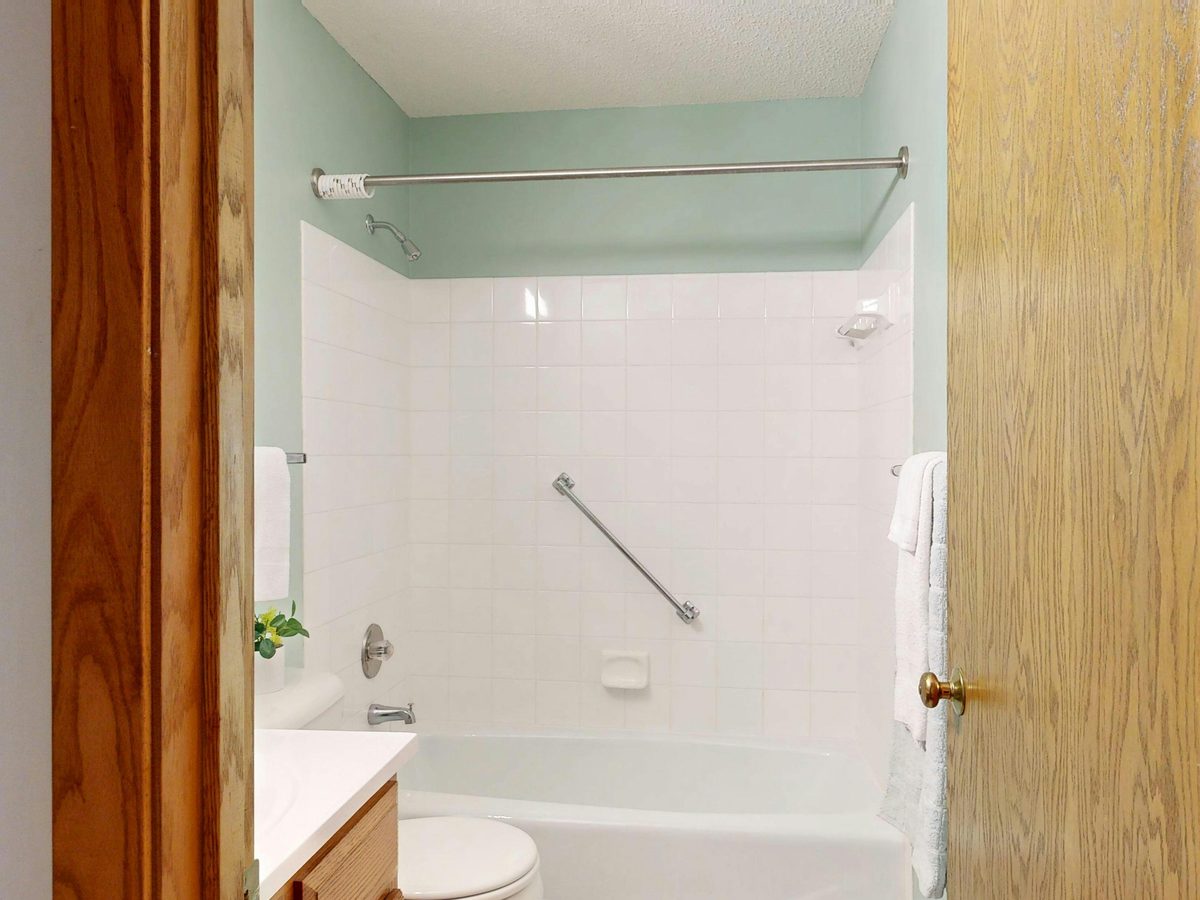
Accessible bathroom design centers on two foundational safety features: grab bars and shower seats. Each addresses distinct functional needs, making the grab bars vs shower seats decision critical in senior bathroom safety planning. Understanding how these features differ in purpose, cost, installation, and user benefit helps homeowners prioritize investments that align with current abilities and future needs.
The bathroom accessibility comparison extends beyond product choice to include mobility assessment, regulatory compliance, and long-term aging strategies. Both features play essential roles in fall prevention, independence maintenance, and caregiver support. Selecting the right combination requires evaluating transfer abilities, budget constraints, and whether the goal is immediate safety or proactive preparation.
Grab bars and shower seats serve complementary but distinct functions in accessible bathroom design. Grab bars stabilize users during standing transfers, entry and exit movements, and balance-dependent tasks. Shower seats enable seated bathing, reduce fatigue, and support safer transfers for users who cannot stand for extended periods.
Both features are central to fall prevention and independence preservation in aging-in-place remodeling projects. Grab bars address stability needs during dynamic movements, while shower seats address energy conservation and postural support. Together, they create layered safety that accommodates broader mobility profiles.
Grab bars support stability during transitions and standing tasks. They provide secure handholds when entering or exiting the shower, standing from a seated position, or maintaining balance while washing. Users with balance issues, lower-extremity weakness, or arthritis rely on grab bars to reduce fall risk during high-risk moments.
Grab bars also assist with weight transfer during toileting and bathing tasks. Properly positioned bars allow users to shift weight safely, reducing strain on joints and lowering the likelihood of injury. ADA standards require grab bars to withstand 250 pounds of force, ensuring reliable function under real-world conditions.
Shower seats support energy conservation, seated bathing, and safer transfers. Users who experience fatigue, dizziness, or prolonged standing difficulty benefit from the ability to sit while bathing. Shower seats reduce fall risk by eliminating the need to balance on one leg while washing feet or lower legs.
Seats are valuable for users recovering from surgery or managing chronic conditions that limit endurance. They allow caregivers to assist more safely by providing a stable surface. Folding wall-mounted seats preserve floor space when not in use, making them practical in smaller bathrooms.
ADA guidance specifies performance and placement standards for both grab bars and shower seats. Transfer showers require a seat per ADA guidance, ensuring users can transition safely from a mobility device or standing position. Roll-in showers are optimized for users who may remain in a mobility device or use a shower chair.
Grab bars must be installed at specific heights and distances to support safe transfers and standing tasks. Seats must be 17 to 19 inches high and capable of supporting 250 pounds. Compliance ensures features function reliably across body types and mobility needs.
Grab bars and shower seats vary in material selection, structural requirements, and aesthetic integration. Grab bars are typically constructed from stainless steel or powder-coated metal, offering durability and corrosion resistance. Shower seats range from plastic portable models to wall-mounted phenolic benches, teak spa benches, and ADA-compliant leg-supported designs.
Installation complexity differs based on structural reinforcement needs and spatial constraints. Grab bars require secure mounting into wall studs or backing. Shower seats demand careful placement to avoid interfering with drainage, showerheads, and user movement, and wall-mounted models often require additional structural support to meet weight-bearing standards.
Grab bars made from stainless steel resist rust and maintain grip surface integrity in wet environments. Powder-coated finishes provide color options and reduce institutional appearance. Concealed-flange designer systems integrate shelving or towel-bar functions, supporting premium pricing while reducing the clinical look.
Shower seats built from teak enhance comfort and spa-like aesthetics. Phenolic resin seats offer durability and antimicrobial properties, making them popular in ADA-compliant installations. Portable plastic seats provide the lowest cost but lack the stability and appearance of wall-mounted options.
Grab bar installation requires identifying wall studs or installing backing during construction. Correct positioning is critical because poorly placed bars provide limited utility and may create new hazards. Professional installation ensures bars are anchored to support 250 pounds and positioned at heights that match user reach and transfer patterns.
Shower seat installation is more complex when wall-mounted models are selected because structural reinforcement is often needed. Seats must be positioned to allow water drainage, avoid blocking controls, and provide adequate knee clearance. Folding models require precise hinge alignment to ensure smooth operation and reliable load support.
Fear that accessibility products will look institutional remains a common adoption barrier. Premium grab bar designs address this concern by integrating shelving, towel bars, or decorative finishes that blend with contemporary styles. Design-forward products reduce the visual trade-off between safety and aesthetics.
Market data shows growing acceptance of accessibility features in mainstream bathroom design. 68% of homeowners considered special needs in their bathroom projects, up 4 percentage points year over year. This indicates accessibility is becoming normalized, particularly as Baby Boomers and Gen X homeowners plan for long-term home use.
Grab bars are most beneficial for users with mild to moderate balance impairments who can stand but need stabilization. Individuals with arthritis, vestibular disorders, or lower-extremity weakness gain confidence from strategically placed bars. Users who can complete standing transfers but experience dizziness during dynamic movements rely on grab bars to reduce fall risk.
Shower seats are essential for users with fatigue, limited endurance, or conditions that make prolonged standing unsafe. People recovering from hip or knee surgery, managing heart conditions, or experiencing vertigo benefit from seated bathing. Caregivers find seats valuable because they reduce physical strain when assisting with bathing tasks.
Feature selection should be matched to mobility profile, transfer ability, fall history, caregiver involvement, budget, and expected length of stay in the home. Users who can stand independently but have occasional balance lapses prioritize grab bars for entry, exit, and standing stability. Users who cannot stand safely for the shower duration require a seat.
Transfer ability determines whether a user needs both features or can rely on one. Someone who transfers from a wheelchair to a shower bench needs grab bars to assist with the lateral movement. A user who walks into the shower but tires quickly may need only a seat, though grab bars provide added security.
Fall history is one of the strongest predictors of future fall risk and should directly inform accessibility feature decision-making. 55.5% of Medicare beneficiaries age 65 and older who had experienced at least one fall had bathroom modifications. 40.2% of repeated fallers had no bathroom modifications, suggesting cost, awareness, or installation barriers prevent timely action.
Caregiver involvement shapes feature selection because caregivers need stable surfaces and adequate space to assist safely. Grab bars allow caregivers to support weight transfers without bearing the user’s full load. Shower seats provide a stable platform, freeing the caregiver to focus on washing rather than balance support.
Budget constraints influence whether homeowners install both features or prioritize one. Grab bars represent the lowest-cost entry point, with budget models starting at $31 to $44 and mid-range options between $59 and $189. Premium ADA wall-mounted shower benches cost around $387, making seats a moderate-cost addition when installed as part of a bathroom remodeling services project.
Home renovation planning timelines affect feature selection because some installations require structural work during remodeling. Wall-mounted shower seats are easiest to install during new construction or full bathroom renovations when backing can be added. Grab bars can be retrofitted more easily, though reinforcement is necessary to ensure compliance.
Grab bars should be prioritized when the primary safety concern is balance during standing transfers and movement. Users who can complete bathing tasks while standing but need stability for entry, exit, or reaching benefit most from grab bars. Early installation supports proactive safety planning and reduces the likelihood of reactive modifications after a fall.
Shower seats should be prioritized when fatigue, endurance limitations, or postural instability make standing unsafe. Users who experience dizziness, shortness of breath, or leg weakness during bathing need a seat to maintain independence. Seats are critical for users transitioning from hospital or rehabilitation settings where seated bathing has become standard care.
Safety needs should be assessed through self-reported difficulty, observed performance, and fall history. Users who report difficulty standing for more than five minutes or who have fallen in the bathroom within the past year should prioritize both features. Functional priorities such as maintaining independence, reducing caregiver burden, or supporting recovery help clarify which feature provides the greatest immediate value.
Professional assessments by occupational therapists or certified aging-in-place specialists can identify needs users may not recognize. These assessments evaluate transfer abilities, balance during dynamic tasks, and environmental hazards. Recommendations from qualified professionals often accelerate decision-making by clarifying the best accessible bathroom features for seniors.
Cost considerations extend beyond product price to include installation labor, structural reinforcement, and potential cosmetic updates. Grab bars generally require less installation disruption because they can be added without major plumbing or tile work. Shower seats may require tile removal, waterproofing adjustments, or backing installation, increasing both cost and project complexity.
Installation disruption concerns influence whether homeowners tackle accessibility upgrades as standalone projects or bundle them with larger renovations. Standalone grab bar installations can often be completed in a single day. Shower seat installations requiring structural work are best completed during full bathroom remodels when walls are already open.
Long-term aging-in-place strategies should account for progressive mobility changes and increased care needs. 75% of adults age 50 and older want to remain in their current home as they age, making proactive accessibility planning a practical investment. 43% of adults age 50 and older expect to make home changes for future physical limitations.
Planning for future needs may justify installing both grab bars and shower seats during initial remodeling. About 6% of older households planned near-term renovations for accessibility, suggesting most delay modifications until needs become acute. Proactive installation during scheduled renovations avoids higher costs and disruption associated with emergency retrofits after falls or hospitalizations.
Market trends indicate steady growth in aging-in-place bathroom upgrades driven by demographic aging and consumer preference for home-based care. The global aging-in-bathroom products market reached $5.35 billion in 2023 and is forecast to grow to $8.31 billion by 2030. North America accounts for approximately 30% of this market, with the United States representing the largest single national market.
Consumer preferences favor multi-feature accessibility packages rather than single-product installations. Among homeowners making aging-in-place bathroom renovations, 61% install grab bars, 55% add nonslip flooring, and 52% select low-curb showers. This bundling behavior suggests homeowners view accessibility as a system rather than isolated products.
Adoption rates for specific features reflect their perceived value, cost, and ease of installation. 72% of modification planners identify bathroom upgrades as a priority, making bathrooms the most common target for aging-in-place investments. 61% of aging-in-place renovators install grab bars, confirming their status as the baseline accessibility feature.
55% of aging-in-place renovators use nonslip flooring, recognizing that fall prevention requires addressing both support and surface traction. 52% select low-curb showers, and 28% choose curbless showers, indicating strong demand for walk-in shower alternatives that eliminate hazardous thresholds. These statistics confirm that homeowners view grab bars, nonslip surfaces, and barrier-free showers as complementary features.
Price stratification creates clear tiers that align with different consumer priorities and budgets. Budget grab bars range from $31 to $43.99, appealing to cost-conscious homeowners seeking basic safety improvements. Mid-range grab bars priced between $58.99 and $188.99 offer better finishes, integrated functions, or designer aesthetics that reduce institutional appearance.
Premium grab bars range from $277.99 to $379 and include concealed-flange systems, integrated shelving, or luxury finishes that blend with high-end bathroom design. Walk-in tub installation costs often reach $8,000 to $10,000 or more, positioning these products in a separate category. Premium ADA wall benches benchmark at $387, placing high-quality shower seats in the mid-tier price range.
Emerging design trends emphasize invisible accessibility, where safety features integrate seamlessly into contemporary aesthetics. Global aging-in-bathroom products market growth from $5.35 billion in 2023 to a forecast of $8.31 billion by 2030 reflects rising demand for design-forward solutions. Global handgrips and grab bars revenue reached $735 million in 2024, representing approximately 14% of the broader assist-devices market.
Global shower chairs and stools revenue reached $774.2 million in 2024, slightly exceeding grab bar revenue and indicating balanced consumer interest in both categories. Bath lifts represent the fastest-growing assist-device segment at 8.2% compound annual growth rate, suggesting premium bathing solutions are gaining traction. These trends indicate consumers increasingly view accessibility products as long-term home investments.
Demographic and regional factors shape feature demand through age-linked disability prevalence, housing stock readiness, and income constraints. Disability prevalence rises sharply with age, reaching 18.4% for ages 18 to 44, 26.7% for ages 45 to 64, and 41.6% for ages 65 and older. This age-linked pattern concentrates demand among Baby Boomers and the Silent Generation.
Regional housing readiness varies widely, with about 62% of homes in the West South Central division considered aging-ready compared to only 20% in New England. These disparities mean homeowners in older housing markets face more extensive and costly retrofits. Regional differences also influence bathroom remodel financing availability and contractor expertise.
Age segmentation reveals that the strongest current demand comes from adults 65 and older who face elevated fall risk and mobility limitations. The disability prevalence of 41.6% for ages 65 and older translates to millions of potential users who could benefit from grab bars, shower seats, or both. Adults 50 to 64 represent a growing market segment focused on proactive planning.
Younger cohorts increasingly incorporate accessibility features during initial home purchases or major renovations rather than waiting for functional decline. This reflects broader awareness of universal design principles and the long-term value of accessible features.
Urban, rural, and regional housing readiness impacts feature demand through differences in housing stock age, construction standards, and renovation infrastructure. About 40% of homes have baseline characteristics to be considered aging-ready, meaning the majority require modifications for safe aging in place. Nearly two out of every five rural homes need major modifications for easier aging in place.
Regional differences in contractor availability, building codes, and consumer awareness also influence feature adoption. Urban markets generally offer more specialized accessibility contractors and showrooms, supporting higher adoption of premium products. Rural markets may rely more on general contractors and commodity products, though demand for safety features remains strong.
Income constraints and affordability considerations create significant adoption barriers, particularly among older households with fixed incomes. Cost and affordability barriers delay or suppress accessibility investments, leaving many at-risk households without necessary modifications. Older households reporting difficulty are more likely to rent, live in apartment buildings, and have incomes near or below the poverty.
Financing options and targeted subsidy programs can reduce these barriers by spreading costs over time. Some homeowners use home equity lines of credit, home improvement loans, or Medicaid waiver programs to fund accessibility upgrades. Education about financing options and potential return on investment can help overcome affordability objections.
Decision-making between grab bars and shower seats should prioritize mobility assessment, fall history, and functional goals. Users with stable balance who need only intermittent support should prioritize grab bars for standing transfers and movement stability. Users who cannot stand safely for the shower duration should prioritize shower seats to enable seated bathing and reduce fatigue-related fall risk.
Comprehensive safety planning often leads to selecting both features rather than choosing one over the other. Grab bars support transfers onto and off a shower seat, making them complementary rather than substitutes. The bathroom remodel process step-by-step guide helps homeowners sequence decisions to ensure feature selections align with space planning, plumbing, and waterproofing requirements.
Balancing safety, functionality, and comfort requires integrating accessibility features into a cohesive design that addresses current needs and future risks. Grab bars provide essential support for standing tasks, while shower seats enable energy conservation and seated bathing. Both features contribute to fall prevention, independence maintenance, and caregiver support, making them foundational elements of effective senior bathroom safety design.
Homeowners benefit from evaluating their specific mobility profiles, transfer abilities, and long-term aging goals before finalizing feature selections. Professional assessments, occupational therapy consultations, and contractor experience with accessible design all contribute to better outcomes. Understanding that 5 smart reasons to remodel your bathroom in 2026 often include proactive safety planning can help reframe accessibility as a value-added investment.
The accessible bathroom market will continue to expand as the population ages and consumers increasingly prioritize home-based care. Grab bars and shower seats remain the most widely adopted features because they deliver measurable safety benefits at accessible price points. Homeowners who invest in thoughtful, well-designed accessibility features position themselves to age in place comfortably, safely, and independently.
Your bathroom should support your independence, not put it at risk. Patriot Bath Remodeling helps homeowners across Massachusetts, Rhode Island, and Southern New Hampshire design accessible bathrooms with expertly installed grab bars, shower seats, walk-in showers, and other safety features.
Patriot Bath Remodeling specializes in accessible bathroom design that balances safety, functionality, and aesthetics for homeowners across Massachusetts, Rhode Island, and Southern New Hampshire. Our team integrates grab bars, shower seats, nonslip flooring, and other essential features into cohesive designs that support long-term aging in place. Ready to create a safer, more accessible bathroom tailored to your needs? Explore our bathroom remodeling services and schedule your free consultation today.