Monthly Payments as Low as $99! | 1/2 OFF Labor on second Project
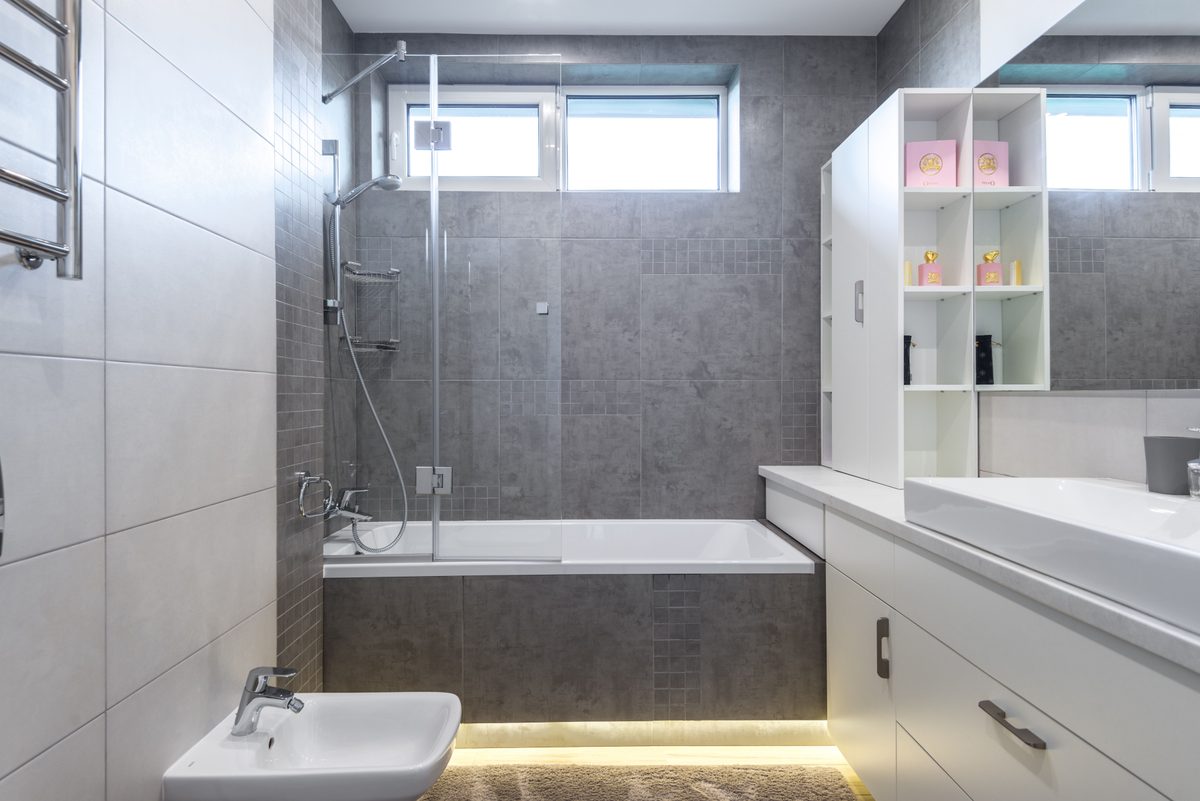
Recognizing when bathtub problems require full replacement prevents costly repairs that fail to address underlying damage. Surface cosmetic issues respond well to refinishing, but structural failures demand complete tub removal and installation. Understanding the difference between repairable wear and replacement-level damage helps homeowners make cost-effective decisions that protect home value and prevent further deterioration.
The distinction between surface defects and structural failures determines whether refinishing or replacement makes financial sense. Minor chips, stains, and dull finishes cost far less to address through resurfacing than full bathtub replacement, but refinishing a structurally compromised tub wastes money and delays necessary work.
Homeowners encounter bathtub problems ranging from minor cosmetic wear to severe structural damage requiring immediate attention. Surface issues like discoloration and small chips appear frequently in older tubs but rarely threaten fixture integrity. More serious problems involving cracks, leaks, and subfloor deterioration signal that bathtub replacement may be the only viable solution.
The age and material of the tub influence which problems develop and how quickly they progress. Cast iron tubs typically show enamel wear before structural failure, while fiberglass units may develop stress cracks from flexing. Proper assessment of bathtub problems separates routine maintenance from replacement-level concerns.
Surface defects affect only the finish layer without penetrating the tub shell or compromising water containment. Scratches, stains, rust spots, and worn enamel remain confined to the visible surface and respond well to refinishing. These cosmetic issues do not threaten structural integrity or create leak risks when the underlying shell remains intact.
Structural defects penetrate through the tub material and compromise its ability to hold water or support weight safely. Through-cracks, flexing shells, and deteriorated mounting flanges represent structural failures. No refinishing can restore structural soundness once the base material has failed.
Persistent leakage requires replacement when water escapes from cracks or failed joints. Pooling water beneath the tub or visible moisture on ceiling surfaces below indicates tub shell failure. Temporary sealant repairs typically fail quickly when structural cracks allow continued water migration.
Surrounding moisture damage suggests tub failure has compromised adjacent floors, walls, or framing. Soft drywall, stained ceilings, and peeling paint near the tub signal that water has been escaping for extended periods. Hidden water damage beneath the tub requires replacement because refinishing cannot address the deteriorated substrate or prevent continued leakage from structural defects.
Soft or unstable support requires replacement to prevent catastrophic failure and additional structural damage. A properly installed tub rests on solid framing and a mortar bed that does not flex when occupied. When the floor feels spongy or the tub moves noticeably under weight, the support structure has deteriorated past safe operating conditions.
Sponginess indicates replacement over refinishing because surface treatments cannot restore compromised structural support. The flexing creates ongoing stress that causes new cracks and peeling even after refinishing. Addressing support issues requires removing the tub to repair or replace damaged subfloor and framing components.
Refinishing works best for tubs with intact shells suffering only cosmetic surface degradation. Professional resurfacing restores appearance by applying new coating layers over cleaned and prepared surfaces. This approach costs significantly less than replacement when the underlying tub remains structurally sound and properly supported.
Replacement becomes necessary when structural integrity has been compromised or the tub no longer meets functional needs. Attempting to refinish damaged shells only delays inevitable replacement while adding unnecessary expense. The decision between bath repair vs replace depends primarily on whether problems are cosmetic or involve structural failure.
Refinishing is appropriate when the tub has stains, chips, or a dull finish without more serious structural damage. Surface etching from harsh cleaners, minor impact chips, and yellowed enamel respond well to professional resurfacing. These cosmetic issues do not affect the tub’s ability to contain water or support weight safely.
Historic cast iron tubs with worn enamel but solid shells make excellent refinishing candidates. The durable iron construction outlasts surface coating by decades. Refinishing preserves the original fixture while restoring a fresh appearance at a fraction of replacement cost.
Through-cracks signal the need for replacement because they penetrate the entire tub wall thickness and allow continuous water migration. These cracks typically grow from stress points and cannot be permanently sealed through surface treatments. Active rust-through indicates replacement is needed when corrosion has completely eaten through the metal tub shells, creating holes and weak spots.
Structural cracking changes the equation in favor of replacement rather than attempting repairs that will fail quickly. Recurring peeling after prior resurfacing signals replacement when new coatings cannot adhere due to ongoing flexing or moisture intrusion. Refinishing will not solve major leaks, rust, or severe cracks because these problems originate beneath the surface layer that refinishing addresses.
Refinishing cannot change tub size, shape, or configuration when homeowners need different dimensions or accessibility features. Surface treatment only modifies appearance while leaving the underlying fixture unchanged. Homeowners requiring larger, deeper, or barrier-free tubs must replace rather than refinish existing units.
Surface treatment will fail if structural issues exist, regardless of how well the refinishing work is performed. Refinishing only a band-aid solution for spongy tubs because coating the surface does nothing to address deteriorated support underneath. Acrylic flexes more than cast iron, making stress cracks more common in acrylic units that require replacement rather than refinishing when cracking appears.
Material composition directly influences how long tubs last and which problems develop over time. Each material offers distinct advantages in weight, durability, maintenance requirements, and cost that affect both initial installation and long-term replacement timing. Understanding material differences helps homeowners anticipate the typical lifespan and recognize material-specific bathtub replacement signs.
The manufacturing process and core material determine whether tubs typically fail from surface wear or structural breakdown. Metal-based tubs generally outlast plastic composite units, but installation weight and cost considerations often favor lighter materials.
Acrylic tubs are made from heated acrylic formed into shape and reinforced with fiberglass backing layers. This vacuum-forming process creates smooth, non-porous surfaces that resist staining and feel warm to the touch. Fiberglass tubs are glass-reinforced plastic molded, resin-coated, and polished to create the finished surface.
Acrylic is lightweight vs cast iron very heavy, making acrylic far easier to maneuver during installation and replacement. Acrylic can be scratched by abrasive cleaners or dropped objects, though minor surface damage often buffs out. Fiberglass has the shortest life vs. cast iron has the longest, with fiberglass typically requiring replacement after 15-20 years, while cast iron often lasts 50 years or more when properly maintained.
Cast iron tubs are made from molten iron cast in a mold, then enamel-coated through high-temperature fusing. This creates exceptionally durable tubs that resist chips, dents, and everyday wear far better than lighter alternatives. Cast polymer tubs are resin cast in molds, including cultured marble and related composites that combine crushed stone with polymer binders.
Cast iron has exceptional durability that often outlasts the homes in which they were installed decades earlier. Cast iron requires possible floor reinforcement due to weight, as a standard 60-inch cast iron tub weighs 300-500 pounds before adding water and occupants. This weight makes installation more complex but contributes to the tub’s solid feel and exceptional longevity.
Porcelain-over-steel tubs priced USD 200-1,200 offer a middle ground between lightweight fiberglass and heavy cast iron options. These units feature stamped steel shells coated with porcelain enamel fired at high temperatures. The combination provides reasonable durability at moderate cost and weight.
Steel-based tubs feel cooler than acrylic and transmit more sound, but cost less than cast iron. The porcelain coating can chip if struck hard, exposing the steel underneath to potential rust. Most porcelain-over-steel units last 20-30 years with proper care before requiring replacement.
Cost analysis between replacement and refinishing must account for both immediate expense and expected service life. Initial outlay favors refinishing significantly, but longer-term cost effectiveness depends on how many years of service each option delivers. Understanding bathroom remodel ROI helps homeowners evaluate whether upfront savings or long-term durability matters more for their situation.
Local market conditions significantly influence both refinishing and replacement costs in Massachusetts compared to national averages. Labor rates, disposal fees, and material transportation costs in the Boston area affect total project expense.
Professional refinishing costs USD 335-630 nationally for standard bathtub resurfacing with proper surface preparation and coating application. Full replacement costs about USD 2,100 nationally when accounting for tub removal, new fixture purchase, installation labor, and basic surround work. Boston refinishing costs USD 495 on average, while Boston replacement costs USD 1,447 on average.
The substantial upfront cost difference makes refinishing attractive when tubs remain structurally sound, and homeowners work with limited budgets. Acrylic tubs are priced USD 300-1,000 for the fixture alone before installation labor, plumbing modifications, and disposal fees. Total replacement projects, including demolition, new fixtures, and professional installation, typically range from USD 1,400 to USD 10,500, depending on material choices and scope.
Refinishing averages USD 56/year nationally when dividing the typical USD 480 refinishing expense by an 8.5-year average service life. Replacement averages USD 84/year nationally, using the USD 2,100 average replacement cost divided by a 25-year expected lifespan. Refinishing averages a USD 58/year cost in Boston, while replacement averages a USD 58/year cost in Boston, making them equivalent on an annual basis in the local market.
The comparable per-year costs in Boston reflect lower local replacement pricing than national averages, while refinishing costs remain similar. Refinishing a typical lifespan 7-10 years vs replacement 20-30 years means homeowners who stay in homes long-term may refinish two or three times over one replacement cycle.
62% of homeowners said tub installation increased home value in national survey results examining bathroom renovation outcomes. Updated bathrooms strongly influence buyer perceptions and home marketability, regardless of whether updates involve full replacement or quality refinishing. 96% were satisfied with tub installation results, indicating high homeowner approval across both replacement and refinishing projects.
Resale value impact depends more on final appearance and condition than on whether the work involved replacement or refinishing. Buyers cannot typically distinguish professional refinishing from factory finishes when work is done properly. Both options deliver positive returns when addressing visible bathroom maintenance issues that otherwise detract from home presentation.
Consumer priorities extending beyond simple cost calculations shape whether homeowners choose replacement, refinishing, or tub to shower conversion during bathroom updates. Functional concerns about cleaning ease, comfort, and long-term expenses often outweigh initial price differences. Understanding these priorities helps explain why 34% of renovating homeowners upgrade bathtubs while 25% remove them completely.
Massachusetts homeowners particularly value durability and low maintenance, given the state’s older housing stock and high renovation costs. The combination of aging infrastructure and premium labor rates pushes decisions away from temporary fixes toward permanent solutions.
74% cite cleanliness as the top bathroom priority when evaluating factors that contribute to using bathrooms for relaxation and daily routines. Easy-to-clean surfaces that resist staining, mildew, and soap scum buildup rank higher than luxury features for most homeowners. Modern acrylic and gel-coat finishes require less scrubbing than older porous surfaces that trap dirt.
Smooth, non-porous bathtub surfaces significantly reduce cleaning time and chemical requirements compared to deteriorated finishes. Homeowners increasingly view bathroom maintenance issues as quality-of-life concerns rather than mere cosmetic preferences. Low-maintenance surfaces justify higher initial investment through time savings and reduced cleaning expenses over the years of use.
65% want the comfort of a spacious shower, explaining why many homeowners remove tubs during renovations to expand shower dimensions. Standard 60-inch alcove tubs consume significant floor space that could accommodate larger, more functional shower enclosures. The shift reflects changing bathing preferences as daily showers replace occasional soaking for most households.
Homeowners who retain tubs increasingly choose deeper soaking models that provide more comfortable bathing experiences. Freestanding flat-bottom tubs combine modern aesthetics with improved ergonomics compared to traditional alcove styles.
83% of renovating homeowners choose sustainable options during bathroom projects, reflecting growing environmental awareness in renovation decisions. Durable materials that avoid frequent replacement reduce both resource consumption and long-term costs. 65% cite long-run cost-effectiveness as a key sustainability motivation alongside environmental benefits.
Refinishing existing tubs when structurally possible avoids disposal waste and manufacturing impacts of new fixtures. However, addressing underlying problems prevents water waste from leaks and avoids larger structural damage requiring more extensive repairs. The most sustainable choice depends on whether current fixtures can deliver many additional years of reliable service.
Accurate assessment of bathtub problems prevents both premature replacement and delayed action, which allows damage to worsen. Homeowners should systematically evaluate visible surface condition, structural integrity, and hidden damage before deciding between repair and replacement. Professional inspection often reveals problems not apparent during casual examination, making expert evaluation worthwhile when deciding between DIY and professional help.
Simple visual inspection identifies many surface-level issues, but detecting hidden moisture damage and structural compromise requires more thorough investigation. Homeowners should check for flexing, soft spots, and water stains that indicate problems beneath visible surfaces.
Through-cracks signal the need for replacement when cracks penetrate completely through tub walls, allowing continuous water seepage. These cracks typically originate from stress concentration points where the tub shell flexes during use. Active rust-through indicates replacement is needed when metal tubs develop holes from corrosion that has penetrated from the surface to the interior.
Visual inspection reveals through-cracks as darker lines that may show moisture or light passing through the tub wall. Rust-through appears as holes surrounded by brown corrosion and typically grows rapidly once started. Neither problem responds to surface refinishing because the base material has failed structurally.
Soft or unstable support requires replacement when careful rocking or weight application causes noticeable tub movement or floor flexing. Properly supported tubs remain completely rigid when occupied and show no deflection under normal use loads. Sponginess indicates replacement over refinishing because surface work cannot correct compromised structural framing or deteriorated mortar beds.
Testing tub support involves carefully applying weight to different tub areas while feeling for movement or hearing creaking sounds. Visible gaps opening between the tub and wall during weight application confirm inadequate support. Professional inspection often includes removing access panels to directly examine the subfloor condition and support structure.
Recurring peeling after prior resurfacing signals replacement when new coatings fail despite proper surface preparation and application. Ongoing flexing, moisture intrusion, or base material degradation prevents coatings from adhering permanently. Multiple refinishing failures indicate the tub shell itself has deteriorated past the point where surface treatments can succeed.
Hidden water damage beneath the tub requires replacement because moisture has compromised the structural framing, subfloor, or surrounding walls. This damage appears as soft flooring, stained ceilings below, or musty odors indicating mold growth. Addressing concealed moisture damage requires removing the tub to repair or replace affected structural components, making avoiding common remodel mistakes critical for successful outcomes.
Several specific bathtub problems definitively indicate that replacement rather than repair represents the appropriate solution. Through-cracks that penetrate the entire tub thickness, active rust-through creating holes in metal shells, persistent structural leaking, and soft or spongy support all require full replacement. These conditions cannot be adequately addressed through refinishing because they involve failure of the base material or supporting structure rather than surface deterioration.
Additional replacement indicators include recurring coating failure after previous refinishing attempts and extensive concealed water damage affecting surrounding framing and subfloors. Homeowners should also consider replacement when tubs no longer meet functional needs for size, depth, or accessibility features. While refinishing costs less initially, attempting to refinish structurally compromised tubs wastes money and delays necessary work that prevents further damage.
The decision timeline matters significantly when evaluating whether to replace problematic tubs. Immediate replacement makes sense when active leaking threatens surrounding structures or when safety concerns exist from unstable support. Less urgent cosmetic issues allow time to budget and plan, but homeowners should avoid indefinite delay when clear structural problems exist.
Massachusetts homeowners planning bathroom renovations face favorable market conditions, combining stable material costs with experienced contractors. Understanding current Massachusetts remodel costs and smart renovation timing helps homeowners make informed decisions about addressing bathtub problems before they worsen. Professional assessment provides detailed information needed to choose between refinishing and replacement based on actual tub condition rather than surface appearance alone.
Patriot Bath Remodeling helps Massachusetts homeowners evaluate bathtub problems and determine the most cost-effective solution for their specific situation. Our experienced team accurately diagnoses surface wear versus structural damage, ensuring you invest in the right solution. We provide honest assessments that guide you toward refinishing when appropriate and recommend replacement only when truly necessary.
If your tub shows through-cracks, rust-through, or a spongy subfloor, refinishing will not fix the problem. You need a full replacement from a team you can trust. Patriot Bath Remodeling brings over 50 years of combined experience to homeowners across Massachusetts, Rhode Island, and Southern New Hampshire. Our skilled craftsmen handle every step, from removing the old tub to repairing subfloor damage and installing your new bathtub with precision.
We offer free in-home estimates, a price match guarantee, and flexible financing starting at $99 per month. Every installation is backed by our lifetime warranty, so your investment is protected for the long haul. Contact Patriot Bath Remodeling today to request your free estimate. Let us turn your damaged tub into a safer, more beautiful bathroom you will love for years to come.