Monthly Payments as Low as $99! | 1/2 OFF Labor on second Project
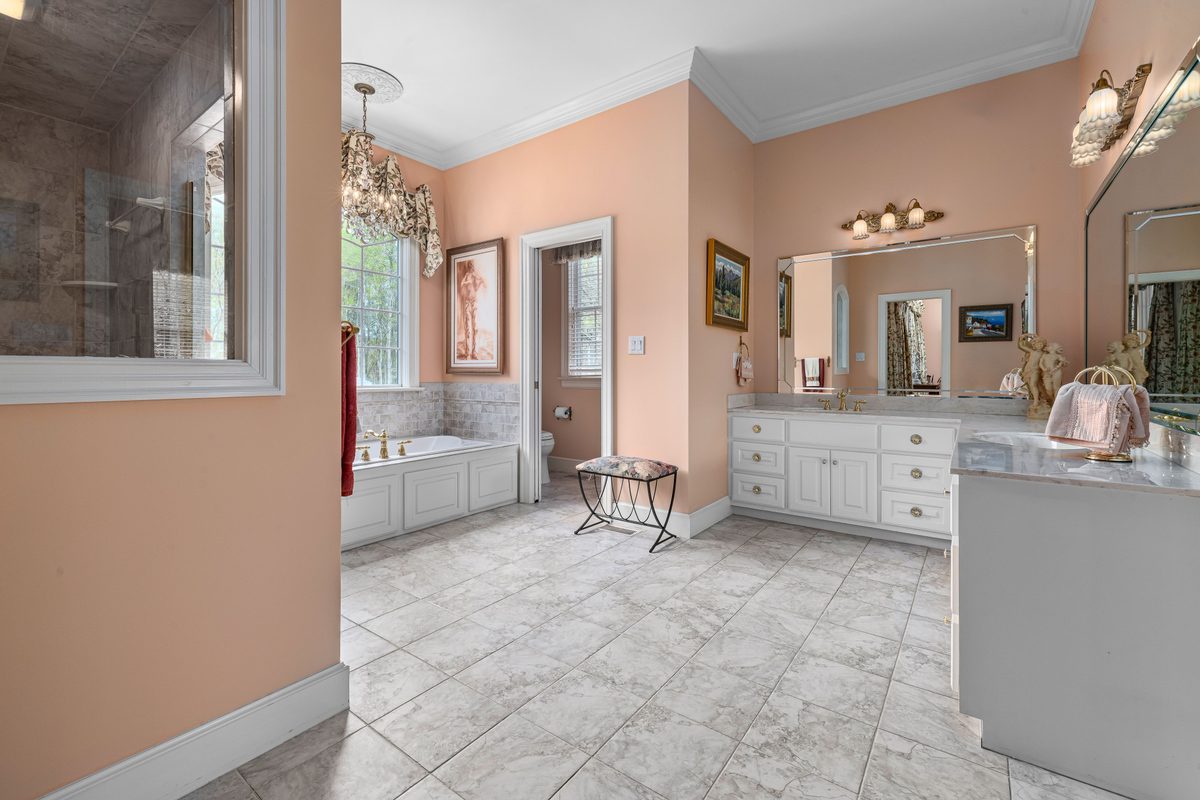
A master bathroom remodel is one of the biggest investments homeowners make in their home. It touches daily routine, family budget, and long-term home value all at once.
Here’s what we break down: what defines a master bathroom project, why it’s worth doing, how to plan the timeline and budget, and which features return the most value. Use it to plan a remodel that fits your home, your schedule, and your wallet.
A master bathroom remodel upgrades the primary bath attached to or near the main bedroom. It differs from other bathroom projects in daily use, size, and budget.
A master bathroom sees daily use from one or two people. A hall bath serves guests and gets occasional use. This daily use drives higher spend and higher expectations for comfort.
Homeowners spent a median of $15,000 on primary bathrooms in 2025, up from $13,000. Guest bathrooms cost less, with a 2025 median of $7,000, up from $6,000. Bathrooms over 100 square feet push median spend to $25,000. Large, high-end projects can reach $70,000 at the 90th percentile.
A master bathroom centers on the shower. Most homeowners rank a walk-in shower as their most-requested feature. Double vanities rank second.
Upscale master baths add a soaking tub, custom cabinetry, and premium stone. Mid-range remodels keep the same fixture layout to control cost. Better lighting and ventilation round out the list as a strong value-for-cost upgrade.
A master bathroom remodel pays off two ways. It improves daily comfort now and adds resale value later.
Showers now beat tubs as the feature homeowners want most. 55% prioritize an expansive shower with steam capability over a traditional bathtub. Shower enclosures already outnumber freestanding tubs in new U.S. homes.
Style is shifting too. 78% of surveyed professionals expect walk-in doors to lead shower design, and 74% expect frameless glass to become the preferred look. Ventilation matters just as much as looks. Undersized exhaust fans contribute to mold growth in 40% of remodeled bathrooms within three years.
Bathroom remodels score high on happiness. Homeowners rate their renovation a 9.8 out of 10 Joy Score. That satisfaction holds up financially too.
Mid-range remodels return 80% of their cost at resale. Upscale remodels return 36%. Across a full bathroom renovation, homeowners recoup 50% of what they spend.
Not every bathroom returns the same value. ROI and usage frequency both shape where to invest first.
Smaller, shared bathrooms return more per dollar spent than a full master suite. The table below shows typical ROI by bathroom type.
| Bathroom Type | Typical ROI |
| Half bath / powder room | 75-85% |
| Guest bathroom | 70-80% |
| Full family bathroom | 65-75% |
| Master bathroom | 55-65% |
| Luxury custom bathroom | 45-55% |
Lower ROI doesn’t mean skip it. Master bathrooms serve daily use, so comfort and function matter more than resale math alone.
Spend should match how often a room gets used. Major remodels now carry a median spend of $22,000. Upscale or luxury master baths run $65,000 to $115,000, reflecting daily use and higher expectations.
A lighter touch works for lower-priority bathrooms. Cosmetic refreshes cost roughly $3,000 to $10,000 and suit spaces that see less frequent use.
Good planning controls timeline and cost. Two phases matter most: pre-construction decisions and the build itself.
Most bathroom remodels take three to eight weeks start to finish. Pre-construction (design, material selection, permitting) takes two to four weeks, or up to twelve weeks if materials are custom or backordered. Construction itself runs four to six weeks for a master bathroom.
Scope drives the timeline. A mid-range remodel that keeps fixtures in place takes three to five weeks. A luxury remodel with custom features runs eight to twelve weeks.
Decisions come before demolition, not during. Finalize the design and every material and fixture selection first. Then secure permits. Plumbing permits run $50 to $200 depending on the municipality.
The design phase covers everything: layout, tile, vanity, and light fixtures. Locking these in before work starts keeps the project on schedule.
Budget depends on tier and where the money goes. Knowing both helps homeowners set realistic expectations.
A midrange bathroom remodel averages $26,138 nationally. Upscale remodels average $81,612. Regional pricing shifts these numbers. A midrange master bathroom remodel in Northern Virginia runs $25,000 to $45,000.
Labor takes the biggest share of the budget, typically 50% or more of total cost. The table below shows a typical budget breakdown by category.
| Budget Category | Share of Total Budget |
| Labor | 20% |
| Cabinetry and hardware | 16% |
| Fixtures | 15% |
| Faucets and plumbing | 14% |
| Flooring | 9% |
Budgets slip more often than they hold. 37% of homeowners exceeded their initial 2025 budget. Higher-end material choices caused 35% of those overruns, and mid-project scope expansion caused another 31%.
Overruns average 23-35% and affect nearly half of all bathroom renovations. A contingency fund limits the damage. Recommendations range from a 10% buffer at minimum to 20-30% for larger, more complex projects.
Some upgrades pay back more than others. Cost and ROI vary by feature, so it helps to know both before choosing.
Tub-to-shower conversions lead the pack, returning about 60% ROI. Universal and accessible remodels return even more, at 61%. Upscale walk-in shower remodels return closer to 55%.
A professionally installed walk-in shower costs around $9,000 on average. Standard projects run $6,000 to $12,000 depending on size and finishes.
Small choices add up fast. The table below shows typical cost ranges for popular upgrades.
| Feature | Typical Cost Range |
| Walk-in shower (standard) | $6,000-$12,000 |
| Curbless upgrade | +$2,000-$5,000 |
| Double-sink vanity | $700-$1,800 |
| Heated floors (100 sq ft) | $800-$1,700 |
| Freestanding / soaking tub | ~$800 |
| Whirlpool or walk-in tub | $7,000-$9,000 |
Tubs vary widely by type, from a basic freestanding option to a whirlpool or walk-in model, a bigger investment for a smaller share of the shower-focused market.
Materials and timing cause most project delays. Planning around lead times and locking in decisions early avoids both.
Material lead times run four to twelve weeks or more. Custom-sized vanities and imported tile are common long-lead items. All materials and fixtures should arrive at least two weeks before the start date.
Ordering late is risky once work begins. Custom tile, imported stone, or an overseas vanity can face multi-week backorders if not secured before demolition starts.
A change order is a mid-project modification. It requires new materials and extends the timeline. Failing to lock in selections before demolition is the most common trigger.
Change orders halt current work and force a wait for new materials. Late-stage changes drive the 23-35% overrun figure seen across the industry. Ignoring material lead times causes the same problem: a stalled, off-schedule project.
A master bathroom remodel comes down to three moving parts: timeline, budget, and feature choices. Lock in design and materials before demolition to protect the schedule. Build a contingency into the budget to absorb the overruns that hit nearly half of all projects. Choose features based on daily use first and resale value second, since the master bath returns less at sale than smaller bathrooms but earns its keep in everyday comfort.
Get these three parts right, and the project runs on time, on budget, and delivers a bathroom built for how the space actually gets used.
Patriot Bath Remodeling brings over 50 years of combined experience to homeowners across Massachusetts, Rhode Island, and Southern New Hampshire. From walk-in showers to full master bathroom renovations, our team handles design, material selection, and installation with the same licensed, insured craftsmanship on every project. Financing starts at $99 a month, and every job comes backed by a lifetime warranty and price match guarantee. Call (508) 748-5468 or get your free estimate today to start planning your master bathroom remodel.
A midrange master bathroom remodel averages $26,138 nationally, while upscale remodels average $81,612. Homeowners spent a median of $15,000 on primary bathrooms in 2025, and luxury or custom projects can run $65,000 to $115,000. Regional pricing, room size, and material choices all shift these numbers, so a local estimate gives the most accurate figure for your home.
Most master bathroom remodels take three to eight weeks from start to finish. Pre-construction work, including design finalization, material selection, and permitting, takes two to four weeks, or up to twelve weeks if materials are custom or backordered. A mid-range remodel that keeps fixtures in place runs three to five weeks, while a luxury remodel with custom features can take eight to twelve weeks.
Yes. Walk-in showers rank as the most-requested feature in master bathroom remodels, and shower enclosures now outnumber freestanding tubs in new U.S. homes. A professionally installed walk-in shower costs around $9,000 on average, with tub-to-shower conversions returning about 60% ROI. Beyond resale value, a walk-in shower improves daily comfort and accessibility for years of everyday use.
Most master bathroom remodels that involve plumbing changes require a permit, and costs typically run $50 to $200 depending on the municipality. Securing permits comes after the design and material selections are finalized, not during demolition. Homeowners in Massachusetts, Rhode Island, and Southern New Hampshire should confirm requirements with their contractor before work begins to avoid delays.
Yes, though the return varies by project scope. Master bathrooms return 55-65% ROI at resale, mid-range remodels recoup about 80% of their cost, and upscale remodels recoup closer to 36%. Across a full bathroom renovation, homeowners recoup roughly 50% of what they spend, and the daily comfort a master bathroom provides adds value beyond the resale math alone.