Monthly Payments as Low as $99! | 1/2 OFF Labor on second Project
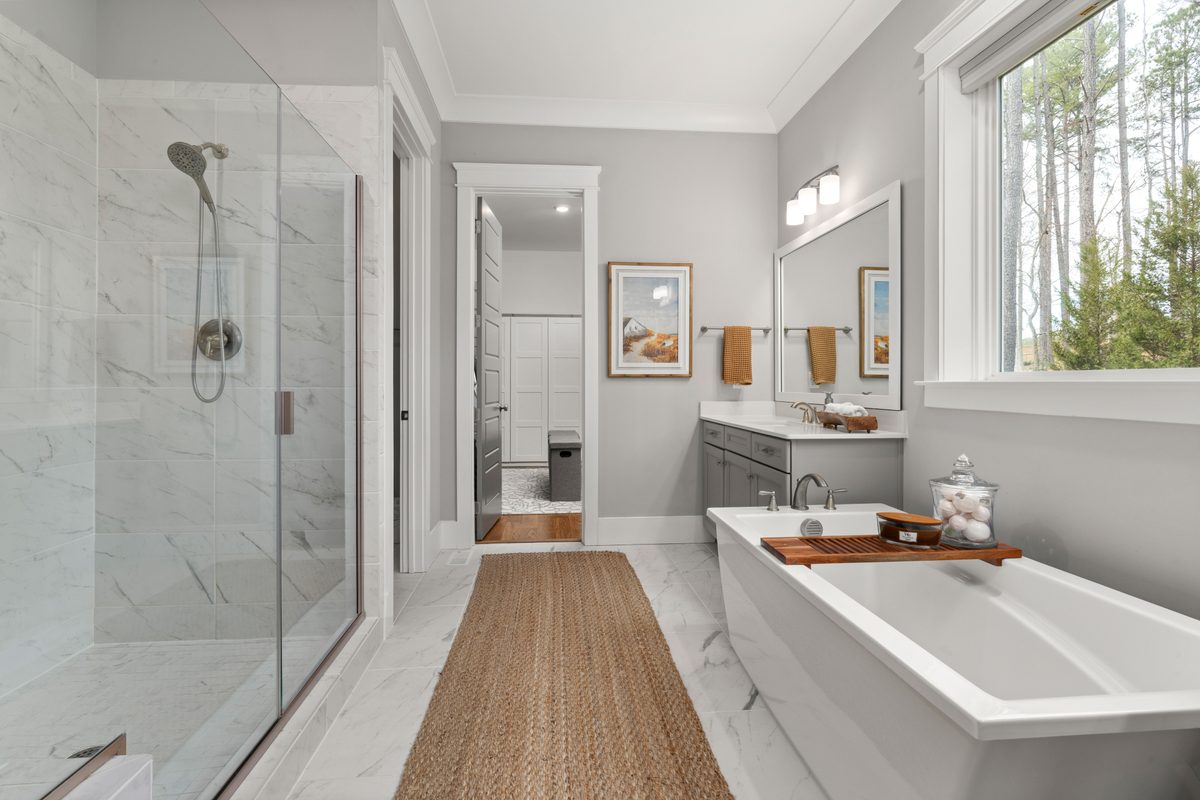
Planning a master bathroom remodel means facing a wide range of numbers. Bathroom remodeling costs swing from a few thousand dollars to well over $100,000, depending on project tier, room size, and where you live. Add in financing options, permit rules, and hidden costs behind old walls, and it’s easy to lose track of what a realistic budget looks like for home renovations like this one. This guide breaks down what actually drives the cost, with real ranges for homeowners in Massachusetts, Rhode Island, and Southern New Hampshire.
Here’s what we break down: master bathroom remodel cost by project tier, the main budget categories, regional pricing for Massachusetts, Rhode Island, and Southern New Hampshire, financing options, and the steps that help you avoid budget overruns in 2026.
Three things set your price before you pick a single tile: project tier, room size, and where you live. Here’s how each one moves the number.
Project tier sets your baseline cost more than anything else, whether you’re updating primary baths or a small powder room.
| Project Tier | Typical Cost | What’s Included |
|---|---|---|
| Modest refresh | $3,000 to $10,000 | New paint, stock vanity, updated fixtures. Same layout, no plumbing moves. |
| Mid-range remodel | $10,000 to $26,000 | New tile, vanity, and a tub or shower surround, plus some lighting upgrades. |
| Upscale remodel | $25,000 to $82,000 | Custom cabinetry, premium tile. Layout may change. |
| Luxury remodel | $40,000 to $100,000 or more | Full gut, structural changes, designer finishes. |
A midrange remodel returns about 80 percent of its cost at resale. Upscale remodels return closer to 45 percent. National averages vary widely by source, from about $12,000 to $26,000. Treat that range as your planning baseline, not a single number.
Smaller bathrooms cost more per square foot, not less.
Fixed costs, like one toilet, one vanity, one plumbing point, don’t shrink with the room, which is why space optimization matters so much in a small footprint. A small powder room can run over $200 per square foot. A larger full bath often runs $140 to $180 per square foot at the same finish level.
Scope matters just as much as size. A full gut remodel runs 1.5 to 2 times a cosmetic refresh for the same footprint. Moving a plumbing fixture more than 3 feet adds $500 to $1,000 per fixture, one of the single biggest cost jumps in any remodel. Most projects land between $2,500 and $30,000, or roughly $70 to $250 per square foot.
Location adds a real premium in Massachusetts.
Massachusetts remodels run about 1.38 times the national baseline. Boston-area projects can cost 50 to 70 percent more than the national average. Congested job sites, tight staging space, strong union labor rules, and the state’s strict energy code all push the price up.
A bathroom budget breaks into three buckets: materials and fixtures, labor, and the costs people forget to plan for as part of any bathroom design built around your customer preferences. Here’s where the money actually goes.
Shower or tub and vanity work, including a drop-in bathtub, eat the biggest share of your budget.
Each takes about 25 percent of total spend, and quality shower doors also help keep bathtub splashes off the floor. Fixtures like the toilet, faucets, and lighting take 10 percent, and a few simple lighting ideas here can make a big visual difference for little added cost. Tile work, including marble tiles, takes another 10 percent. Utilities, meaning plumbing and electrical rough-in, take 10 percent as well. The rest splits across countertops, doors and windows, a cushion for surprises, and permits, each in the 4 to 6 percent range.
Labor is usually half your total bill, and it’s the piece a general contractor manages most closely.
Demolition, plumbing, electrical, tile-setting, and carpentry together typically run 40 to 65 percent of project cost, with 50 percent the norm. In high-labor markets like Massachusetts, construction services cost more, and that share climbs closer to 50 to 70 percent. Skilled trades here average about $72 an hour.
Demolition and access costs surprise a lot of homeowners.
Tearing out old tile, cabinetry, fixtures, drywall, and flooring, plus hauling it away, runs $600 to $2,300. If your home has only one bathroom, budget for temporary access too. Rentals or portable facilities aren’t free, and skipping this line item is a common planning mistake.
Costs are climbing in 2026, driven by materials, labor, and tariffs. Here’s what’s pushing your budget up right now.
Construction materials cost more than they did a year ago.
Overall input prices are up 2.8 percent year-over-year, and nonresidential inputs surged at a 12.6 percent annualized rate in early 2026, the fastest pace since 2022. Expect 4 to 6 percent baseline cost escalation this year. Bathroom-specific items rise more slowly: vanities and cabinets up 3 to 4 percent, fixtures up 2 to 3 percent, copper plumbing up 2 to 4 percent. The gap between headline numbers and local store prices is real, and tighter inventory levels on specialty tile and fixtures can push those numbers higher still. Both matter, just at different points in the supply chain.
Labor costs are rising faster than materials.
Plumbers are up 8 to 10 percent year-over-year. Electricians are up 6 to 8 percent. Skilled-trade wages are outpacing general materials inflation across the board.
Tariffs are adding real cost to copper, cabinets, and lumber.
Copper prices are up more than 30 percent year-over-year, with a 50 percent tariff on imported copper products in effect since August 2025. A 25 percent tariff on imported cabinets and vanities took effect the same year; a planned jump to 50 percent is delayed until 2027. Lumber carries its own 10 percent tariff on top of existing Canadian softwood duties, pushing framing and cabinet-grade lumber to roughly $590 per thousand board feet.
Most homeowners don’t pay cash for a full remodel. Here’s how the main bathroom remodel financing options stack up on rate, term, and fit.
Both borrow against your home, but they work differently.
A home equity loan gives you a lump sum at a fixed rate, well suited to a one-time project with a clear scope. A HELOC works more like a credit line you draw from as needed, a better fit for phased renovations or projects where costs might grow. See the table below for current rates and terms.
This option replaces your whole mortgage with a larger one and pays out the difference in cash. It only makes sense if your current mortgage rate is at or above today’s market rate. If your rate is already low, refinancing to fund a remodel usually costs more than it saves.
Smaller loans move faster but cost more. Personal loans are unsecured, with no home equity required. Contractor financing plans, including “$99 a month” offers, stretch payments over long terms rather than offering a low rate, so read the fine print: rates often jump once the promotional period ends, and missing that window can trigger retroactive interest charges. Credit cards work well for smaller purchases when a 0 percent intro offer is paid off before the promo period ends. See the comparison table below for current rates and terms.
| Option | Rate (mid-2026) | Typical Term | Best For |
|---|---|---|---|
| Home equity loan | 6.6% to 8.2% fixed | 5 to 15 years | One-time project with a clear scope |
| HELOC | 7.2% to 8.5% variable | 10-yr draw, 20-yr repay | Phased renovations or growing costs |
| Cash-out refinance | 6.7% to 7.0% plus premium | 15 to 30 years | Large lump sum, current rate at or above market |
| Personal loan | 9.2% to 25% APR | 1 to 7 years | $5,000 to $30,000, no home equity needed |
| Contractor financing | 0% promo, then 10% to 17%+ | Often 10 to 15+ years | Low monthly payment, read the terms first |
| Credit card | 19% to 24% APR (0% intro available) | Promo period varies | Purchases under $10,000 paid off during the promo |
Surprises hide behind old walls. Build a cushion for them before you start.
Older homes hide problems until demolition starts.
Structural repairs and water damage found after tear-out commonly add $1,000 to $10,000 or more. Northeast homes especially turn up failed subfloors, galvanized pipe, undersized drain stacks, and outdated wiring. Mold remediation runs $500 to $1,500, and water damage repair runs $500 to $4,500. Treat mold as a health issue, not a cosmetic one.
Permits and code upgrades add cost you can’t skip.
Plumbing relocations, new circuits, and ventilation changes all trigger permit requirements, typically about 4 percent of project cost, or roughly $500. Updated energy codes push costs higher still. Massachusetts’s strict stretch code can mean added ventilation and fixture requirements, similar to what California homeowners now face under Title 24. Electrical work alone runs $800 to $2,500 on a mid-range remodel. Upgraded waterproofing, like a Schluter-KERDI system, costs more upfront than a prefab shower stall but cuts future water-damage risk.
A contingency fund protects your budget from your own decisions too.
Change orders made mid-project almost always cost more, thanks to wasted materials and redone labor. Build in a standard contingency of 15 to 20 percent for a typical mid-range remodel, and 20 to 25 percent for a full gut or any home built before 1990. That range fits much of the older housing stock across Massachusetts, Rhode Island, and Southern New Hampshire. Add another 5 percent on top if you expect to make changes once work begins.
Northeast prices run higher than the rest of the country. Here’s the local math, and how to plan around it.
Apply a regional multiplier to any national estimate you see.
Southern New Hampshire and suburban Massachusetts and Rhode Island run 1.15 to 1.35 times the national average. Greater Boston runs 1.35 to 1.70 times. Labor rates drive most of that gap: construction wages in the Boston metro run 20 to 35 percent above the national median.
Every tier costs more here, and the gap grows with project size.
Massachusetts remodels statewide range from $3,673 to $80,795, with labor alone often running $7,000 to $10,500. A midrange remodel in Massachusetts or New Hampshire runs $25,000 to $27,500, well above the $10,000 to $26,000 national band. Boston metro projects run $15,000 to $40,000 typical, with full remodels reaching $75,000 or more. Across every tier, expect to pay 1.15 to 1.7 times the national number, with the biggest gap at the luxury end. For a full category-by-category breakdown, see how much does a bathroom remodel cost in Massachusetts.
A few planning moves can soften the regional premium.
Schedule outside peak season, typically late spring through summer, when contractor demand and pricing both run high. Bundle plumbing, electrical, and ventilation work into one permit application instead of filing separately. Get quotes from multiple licensed Massachusetts contractors, and ask each for a design consultation up front so you’re comparing full scopes, not just numbers. Price differences between bids in this market often run wider than in lower-cost regions.
Most overruns come from decisions made after work starts, the same decisions behind the 7 Costly Bathroom Remodel Mistakes to Avoid. For the full remodeling process, see our Bathroom Remodel Process: Step-by-Step Guide. Lock these three things down early.
Finish your design before the first wall comes down.
Gathering your design inspiration early, then locking in decisions on tile, layout, and fixtures, is the single most effective way to avoid cost growth. Changes made once work is underway cost more every time.
A detailed budget catches problems before they become bills.
The Consumer Financial Protection Bureau points to detailed budgeting as a key defense against hidden costs. Line out every category before you sign a contract, not after.
Get more than one bid before you commit.
The same CFPB guidance recommends comparing estimates from multiple contractors. Price gaps between bids often reveal scope differences you’d otherwise miss, and give you real leverage before work begins.
Tier, size, and location set the range. Financing shapes what’s realistic: home equity products offer the lowest rates, while faster options like personal loans and contractor financing cost more over time. Budget for what you can’t see yet. Add 15 to 25 percent in contingency, on the higher end for full gut jobs or homes built before 1990.
The homeowners who stay on budget do three things well: they finalize design before work starts, they build a detailed budget upfront, and they compare multiple contractor estimates before signing. Get those three right, and the rest of the plan holds.
Your primary bathroom retreat should feel like a calming oasis, not a stress point in your budget, whether that means a refreshed bathroom with a restful bath and a serene feeling or full spa-worthy bathroom design ideas. Patriot Bath Remodeling serves homeowners across Massachusetts, Rhode Island, and Southern New Hampshire with over 50 years of combined experience. Financing starts at $99 a month, every project comes with a lifetime warranty, and we’ll match any competitor’s price. Call (508) 748-5468 or request your free quote online, and explore our full range of bathroom remodeling services to find out what your remodel actually costs.
A master bathroom remodel typically costs between $12,000 and $26,000 nationally for a midrange project. Costs can run as low as $3,000 for a modest cosmetic refresh or top $100,000 for a full luxury remodel with structural changes. The final number depends on project tier, room size, and where you live. Homeowners in Massachusetts, Rhode Island, and Southern New Hampshire should expect to pay 1.15 to 1.7 times the national average due to higher labor rates and older housing stock.
Shower or tub work and vanity installation together account for about half of a typical bathroom remodel budget, each running roughly 25 percent of total spend. Labor is the next biggest factor, usually consuming 40 to 65 percent of the entire project cost. Tile work, fixtures, and utilities like plumbing and electrical rough-in each take another 10 percent. Permits, countertops, and a contingency cushion round out the remaining budget.
Massachusetts remodels run about 1.38 times the national baseline, and Greater Boston projects can cost 50 to 70 percent more. Congested job sites, limited staging space, strong union labor requirements, and the state’s strict energy code all add to the price. Older housing stock across the region also means a higher chance of hidden plumbing, wiring, or structural issues once demolition starts. Homeowners in Southern New Hampshire and suburban Massachusetts and Rhode Island typically see a smaller premium, around 1.15 to 1.35 times the national average.
Homeowners can choose from home equity loans, HELOCs, cash-out refinancing, personal loans, contractor financing, and credit cards, each with different rates and terms. Home equity loans and HELOCs generally offer the lowest rates for homeowners with equity to borrow against. Personal loans and contractor financing move faster and require no home equity, though they typically carry higher interest rates over time. Patriot Bath Remodeling offers financing starting at $99 a month to help homeowners plan around their budget.
Yes, Patriot Bath Remodeling is fully licensed, bonded, and insured, with over 50 years of combined experience serving homeowners across Massachusetts, Rhode Island, and Southern New Hampshire. The company’s specialists handle full bathroom remodels, tub-to-shower conversions, and accessibility upgrades throughout the region. Every project includes a lifetime warranty and transparent, all-inclusive pricing. Learn more about Patriot Bath Remodeling before scheduling a free estimate.