Monthly Payments as Low as $99! | 1/2 OFF Labor on second Project
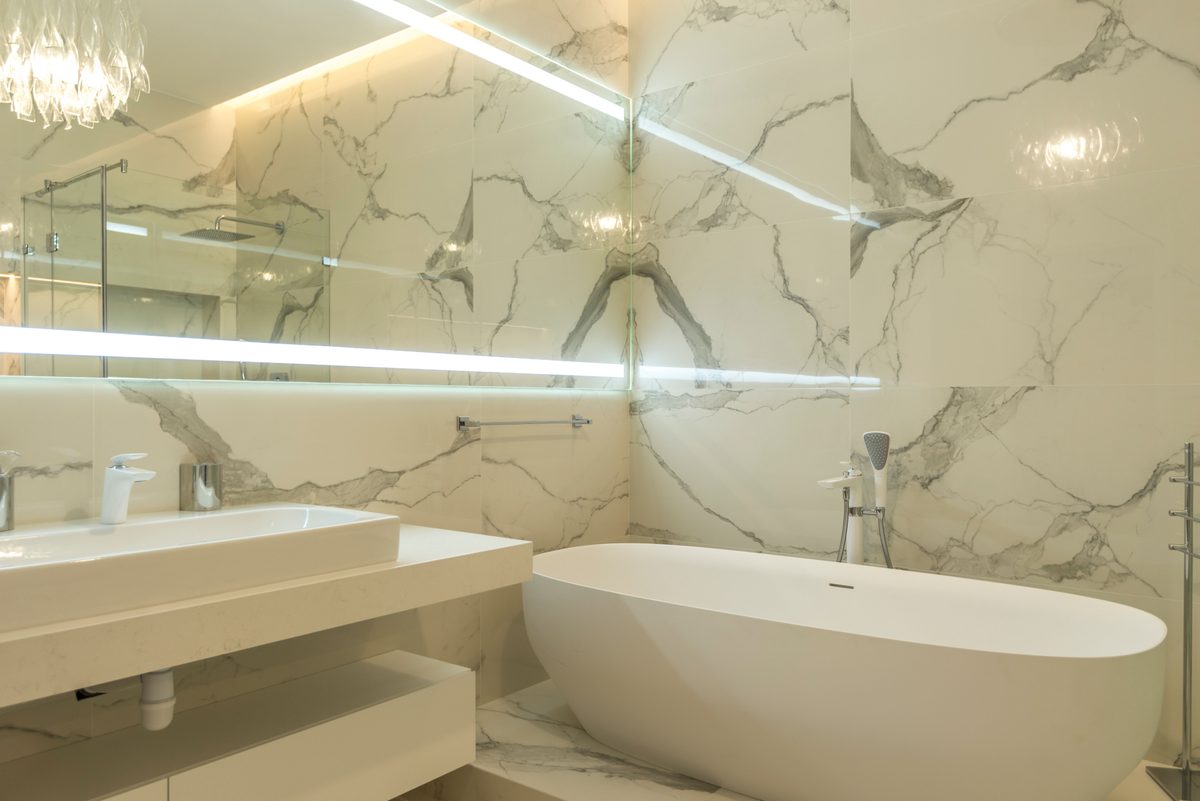
Bathtub replacement involves removing an existing tub and installing a new fixture using updated materials and modern design standards. The decision typically arises when structural damage makes refinishing impractical or when homeowners seek improved functionality during broader bathroom remodel projects. Material choices, installation complexity, and local market conditions significantly influence both upfront costs and long-term satisfaction.
Massachusetts homeowners face distinct considerations due to aging housing stock and higher labor rates. With over 82% of housing units built before 1980, many homes require additional structural work during tub replacement. This bathtub replacement guide addresses material comparisons, cost factors, and decision frameworks relevant to New England renovation projects.
Material selection directly affects installation difficulty, maintenance requirements, and total project cost. Acrylic dominates the residential market at 60% share due to balanced performance and accessible pricing. Homeowners must weigh upfront cost against expected lifespan, with mainstream replacements using acrylic or fiberglass while premium projects favor cast iron or cast polymer.
Consumer preferences reflect practical priorities. The 2025 U.S. Houzz Bathroom Trends Study found 74% of homeowners prioritize cleanliness and easy upkeep, while 65% emphasize long-run cost-effectiveness.
Acrylic tubs are heated acrylic sheets formed into shape and reinforced with fiberglass backing. Fiberglass tubs use glass-reinforced plastic molded into shape, then coated with resin. Acrylic holds 60% market share while fiberglass represents 16%, reflecting acrylic’s superior durability and warmer surface feel.
Both materials offer lightweight installation, but acrylic resists scratches better and maintains its finish longer. Acrylic can scratch and flex more than cast iron, which becomes relevant in homes with heavy use. Fiberglass tubs cost USD 200–800 compared to acrylic’s USD 300–1,000 range, making fiberglass the budget leader for rental units.
Cast iron tubs are molten iron cast in molds and coated with porcelain enamel for a glossy, durable finish. Porcelain-over-steel tubs use sheet steel stamped into shape and coated with porcelain enamel. Enameled cast iron holds 8% market share and commands USD 900–5,000 pricing due to exceptional chip resistance and longevity.
Cast iron is very heavy and requires harder installation with possible floor reinforcement in older homes. Porcelain-over-steel is noisier during filling, has a cooler surface, and can chip if struck. Massachusetts homeowners with historic properties often prefer cast iron when structural support allows, while porcelain-over-steel suits cost-conscious alcove replacements.
Cast polymer tubs are resin mixtures cast in molds and include cultured marble and related composites. Cast polymer holds 6% market share and appeals to design-focused renovations requiring a stone-like appearance. These materials cost USD 1,600–8,700, positioning them as upper mid-market and luxury options.
Cast polymer has a higher cost and is heavier than acrylic, requiring careful structural assessment. Homeowners pursuing premium bathroom aesthetics select these materials for their seamless appearance and custom color options. The added weight and expense make cast polymer most appropriate for comprehensive remodels.
Bathroom renovation decisions reflect changing household priorities, with 34% of renovating homeowners upgrading their bathtub while 25% remove it entirely. Style dissatisfaction drives 46% of renovation projects, followed by deteriorated condition at 35%. The balance between tub retention and removal depends on space constraints, household composition, and preferences for larger shower enclosures.
Massachusetts’ demographics amplify replacement demand due to the state’s concentration of older homeowners and aging housing. The 2023 Houzz study found 59% of renovating homeowners are baby boomers aged 55–74, who prioritize safety features and reduced maintenance. Understanding aging-in-place remodeling needs helps explain why many Massachusetts projects involve accessibility modifications alongside material upgrades.
Consumer surveys reveal 34% of renovating homeowners upgrade their bathtub, 26% keep the existing tub, and 25% remove the tub altogether. Among households that remove tubs, 82% enlarge the shower to reclaim bathroom space. Style intolerance motivates 46% of bathroom renovations, making aesthetic refresh a primary driver.
Material preferences shifted year-over-year, with bathtub upgrades rising to 27%, an increase of 3 percentage points. Fiberglass lost 6 percentage points of market share while enameled cast iron gained 4 points, suggesting movement toward more durable materials.
Massachusetts has exceptionally old housing, with 82% of housing units built before 1980 in every county and 91% in some western Massachusetts counties. The state has 2.79 million households with a 62.5% owner-occupied housing rate, yielding approximately 1.74 million owner-occupied households. This concentration creates sustained demand for bathroom upgrades as original fixtures reach end-of-life.
Aging bathrooms require replacement rather than simple refinishing when structural issues around bathtubs compromise safety and function. Older Massachusetts homes often have cast-iron tubs installed during initial construction, which now face rust-through or support deterioration. The combination of high home values (median USD 562,100) and older housing stock supports a stable replacement market projected at USD 56.2 million in 2026.
Soaking tubs represent 62% of bathtub types installed during renovations, far exceeding standard tubs at 29% and walk-in tubs at 1%. The freestanding flat-bottom style represents 45% of installations, while the alcove style represents 40%. These preferences reflect consumer desire for spa-like experiences without maintenance complexity.
Bathtub upgrades rose to 27%, up 3 percentage points year over year, indicating growing renovation activity despite competition from shower-only designs. Fiberglass lost 6 percentage points of its share year over year as homeowners shifted toward acrylic and cast iron. Deck-mounted tubs declined from 10% to 6%, confirming that freestanding and alcove formats dominate current trends.
Structural condition determines whether refinishing or replacement makes sense financially and functionally. Refinishing works when the tub shell remains sound but shows surface staining, loss of gloss, or minor chips. Structural problems require replacement because surface treatments cannot address underlying damage that threatens leak containment or support stability.
Boston-area cost data show refinishing averages USD 495 versus USD 1,447 for replacement, making refinishing about 34% as expensive. However, expert guidance consistently identifies specific conditions where refinishing fails, including active leaks, rust-through, and spongy floor support.
Structural cracks signal replacement is needed because they compromise the tub’s ability to hold water safely. Active leaks require replacement when they originate from tub shell damage rather than plumbing connections. Rust-through indicates replacement is necessary, as surface refinishing cannot restore metal integrity once corrosion penetrates the shell.
Spongy support requires replacement because flexing subfloor structures causes new cracks in any refinished surface. Through-cracks indicate replacement is needed since they represent complete shell failure that refinishing cannot repair. These conditions typically appear in tubs exceeding 20-30 years, particularly in homes with moisture-management problems or deferred maintenance.
Refinishing costs USD 495 versus replacement costs of USD 1,447 in Boston, making refinishing the clear budget leader for cosmetic upgrades. Refinishing typically lasts 7–10 years, while replacement typically lasts 20–30 years when properly installed. This means refinishing costs about 34% as much as replacement but delivers roughly one-third the service life.
High-quality professional refinishing can last 10–15 years under ideal conditions. Cost-per-year calculations show refinishing at approximately USD 58 per year versus USD 58 per year for replacement at Boston pricing, making them roughly equivalent on a service-life basis. However, replacement delivers greater structural certainty and eliminates concerns about concealed damage.
Older Massachusetts homes frequently require additional work during tub replacement due to outdated plumbing, inadequate subfloor structure, or non-standard dimensions. When comparing bathroom remodel costs in Massachusetts, homeowners must account for these hidden factors. Properties built before 1980 often have cast-iron tubs that require reinforced floor joists.
Refinishing may delay necessary repairs if underlying structural problems remain unaddressed. Homeowners planning long-term residence often benefit from replacement that corrects subfloor issues and installs modern materials designed for easier future maintenance. The decision should factor in total renovation scope, with isolated tub work favoring refinishing and comprehensive remodels favoring replacement.
The replacement process involves several sequential phases, beginning with existing tub removal and ending with final surface finishing. Professional contractors typically complete standard alcove replacements in 1-2 days, while freestanding installations or complex reconfigurations may require 3-5 days. The process includes demolition, plumbing rough-in, subfloor inspection and repair, new tub installation, surround work, and final trim.
Massachusetts projects often encounter complications due to older home construction methods and non-standard dimensions. These bathroom renovation tips emphasize the importance of a thorough pre-installation assessment to identify hidden moisture damage or structural deficiencies. Contractors must verify floor load capacity for heavy materials like cast iron and confirm adequate clearance.
Removal begins with shutting off the water supply and disconnecting the drain and overflow assemblies. Contractors then remove surrounding tile or panels to access tub flanges and fasteners. Older cast-iron tubs may require breaking into manageable pieces, while acrylic and fiberglass tubs typically come out intact.
Installation starts with subfloor inspection and any necessary reinforcement or leveling work. The new tub is positioned, leveled using adjustable feet or mortar beds, and secured to wall studs. Plumbing connections are completed, followed by waterproofing, wall surface installation, and final trim work, including caulking and fixture mounting.
Plumbing contractors handle water supply and drain connections, which often require updating to meet current code requirements. General contractors or bathroom specialists manage demolition, structural work, tub installation, and finish surfaces. In Massachusetts, 93% of homeowners hired a professional for primary bathroom renovation work, reflecting the complexity and permit requirements.
Licensed professionals ensure proper waterproofing and code compliance, which protects homeowners from future leak damage and resale complications. Choosing between professional bathroom remodels versus DIY requires an honest assessment of plumbing skills and structural knowledge. Most Massachusetts municipalities require permits for bathroom work involving plumbing modifications.
Massachusetts’s older housing stock increases replacement complexity due to outdated framing, non-standard rough-in dimensions, and potential asbestos or lead paint. Homes built before 1980 frequently have plaster walls requiring specialized demolition techniques. Winter weather restricts exterior venting work, potentially extending timelines.
High labor costs in the Boston metropolitan area drive total project expenses above national averages. The state’s stringent building codes and active permitting enforcement require contractors to follow updated waterproofing and ventilation standards. These local factors make professional project management valuable for ensuring work meets structural requirements and municipal inspection standards.
Total replacement costs include material purchase, demolition, disposal, plumbing work, structural repairs, new tub installation, surrounding surfaces, and finishing details. National averages place complete replacement around USD 2,100, but Boston-area projects average USD 1,447 for basic alcove installations. Premium materials, extensive structural work, or complex configurations can push total costs to USD 10,500 or higher.
Material selection represents the largest controllable cost variable, with choices ranging from USD 200 fiberglass tubs to USD 5,000 cast-iron models. Understanding these bath remodeling steps helps homeowners budget accurately for projects that match their functional needs. Labor typically represents 50-60% of the total cost.
Acrylic tub prices range from USD 300 to 1,000, making them the mainstream choice for most Massachusetts replacements. Fiberglass tub prices range from USD 200 to 800, positioning them as the budget leader. Cast iron tub prices range from USD 900 to 5,000, reflecting their superior durability and weight-related installation complexity.
Cast polymer tub prices range from USD 1,600 to 8,700 for luxury installations requiring custom aesthetics. Porcelain-over-steel tub prices range from USD 200 to 1,200, offering a middle ground between fiberglass durability and acrylic cost. Labor costs vary by tub weight, installation complexity, and required structural modifications, with cast-iron installations costing significantly more due to handling difficulty and floor reinforcement needs.
Surrounding wall surfaces add USD 1,000–3,000, depending on tile selection versus acrylic panels or fiberglass enclosures. Plumbing updates may require USD 500–1,500 for valve replacement, pipe rerouting, or fixture upgrades. Subfloor repairs cost USD 300–1,000 when moisture damage or deflection problems are discovered during demolition.
Disposal fees for old tubs range USD 100–300, with cast-iron removal at the high end. Permit costs in Massachusetts municipalities typically run USD 50–200 for bathroom renovation work. Homeowners considering tub to shower conversions face different cost structures, as shower installations require different waterproofing approaches and often larger prefabricated bases.
Boston refinishing costs average USD 495 with a typical range of USD 379–634 for professional work. Boston replacement costs average USD 1,447 with a typical range of USD 946–1,953 for standard alcove installations. These figures reflect an 8% demand premium applied to national market data, accounting for Massachusetts’s older housing stock, higher labor rates, and stringent code requirements.
The state’s 2.79 million households include approximately 1.74 million owner-occupied units, creating sustained renovation demand. High median home values of USD 562,100 support investment in quality materials and professional installation. Massachusetts homeowners benefit from competitive contractor markets in urban areas but face higher costs in rural western counties.
Surface problems like staining, scratches, and dullness often respond to refinishing, while structural failures demand full replacement. Homeowners must distinguish between cosmetic wear that affects appearance and structural damage that compromises function. The most reliable replacement signals include through-cracks, persistent leakage, rust-through, soft floor support, and concealed water damage.
Expert sources consistently identify replacement as necessary when structural integrity is compromised. Surface treatments cannot address flexing support structures, corroded metal, or moisture damage in surrounding framing. These home improvement bathtub problems require comprehensive solutions that refinishing cannot provide.
Cosmetic issues include surface staining, loss of gloss, minor chips, and discoloration that affect appearance but not function. Structural issues include cracks penetrating the shell, active leaks, rust-through, spongy or unstable support, and surrounding moisture damage. Refinishing addresses cosmetic problems effectively at a lower cost, while structural problems require replacement.
Recurring peeling after prior resurfacing indicates that underlying flexing or moisture problems make refinishing unsuccessful. Homeowners who attempt multiple refinishing cycles on structurally compromised tubs waste money without solving the core problem. Professional assessment should identify whether surface treatment or complete replacement provides the most cost-effective solution.
Concealed water damage signals replacement when moisture has penetrated walls or subfloor structures around the tub. Persistent leakage requires replacement when the source is a tub shell failure rather than failed caulking or plumbing connections. Soft or unstable support signals replacement, as flexing floors will crack any refinished surface within months.
Surrounding moisture damage suggests replacement is necessary when framing shows rot, mold growth, or structural deterioration. Homeowners can test floor stability by pressing firmly on areas adjacent to the tub and feeling for deflection. Musty odors, visible mold on walls near the tub, or water stains on ceilings below indicate hidden damage requiring investigation.
Replacement becomes the most reliable solution when structural problems threaten continued water containment and support integrity. Consumer satisfaction data show 62% of homeowners said tub installation increased home value, while 43% said it improved resale appeal. Overall satisfaction reached 96%, indicating replacement delivers strong outcomes when properly executed.
Replacement addresses layout inefficiencies, outdated fixture styles, and accessibility limitations that refinishing cannot change. Comprehensive bathroom remodeling in Massachusetts often includes tub replacement as part of broader upgrades to lighting, ventilation, and storage. The investment makes sense when structural problems exist, when significant style changes are desired, or when bathroom reconfigurations serve changing household needs.
Massachusetts homeowners navigate a mature replacement market characterized by older housing stock, high renovation costs, and sophisticated consumer preferences. The state’s estimated USD 56.2 million bathtub replacement market in 2026 reflects sustained demand driven by aging fixtures and growing interest in accessibility modifications. Local market dynamics favor professional installation, mainstream materials like acrylic, and balanced decision-making based on structural condition.
Successful projects align material selection with household priorities, with most homeowners favoring easy maintenance and cost-effectiveness over luxury features. The state’s 93% professional-hire rate reflects both project complexity and homeowner recognition that proper installation protects long-term investment. Understanding these market realities helps Massachusetts homeowners make informed decisions that balance immediate costs against extended service life.
Massachusetts residents planning bathroom upgrades benefit from working with experienced contractors who understand regional housing characteristics and code requirements. Patriot Bath Remodeling serves homeowners across Massachusetts, Rhode Island, and Southern New Hampshire with comprehensive bathroom remodeling services designed to address the specific challenges of New England housing. The company’s team brings over 50 years of combined experience to projects ranging from simple tub replacements to complete bathroom transformations.
Homeowners ready to evaluate their bathtub options can start with a no-obligation consultation that includes detailed cost estimates and material recommendations. Patriot Bath Remodeling provides 3D renderings for visualization, transparent pricing, and flexible financing starting at $99 per month. Licensed, bonded, and insured, the company handles all aspects of bathroom renovation from initial design through final installation, ensuring quality results that enhance both daily function and long-term home value.
Whether your tub is cracked, rusted through, or just looking tired, Patriot Bath Remodeling can help you choose the right replacement for your home and budget. Our team brings over 50 years of combined experience to homeowners across Massachusetts, Rhode Island, and Southern New Hampshire. You’ll get a free in-home estimate, transparent pricing, 3D renderings of your new space, and financing starting at just $99 per month. Licensed, bonded, and insured, we handle every step from demolition to final trim so you can enjoy a bathtub that looks great and lasts for decades.